Japanese firms expand India GCCs for AI and advanced engineering
More than 100 Japanese enterprises are moving beyond back-office tasks to build strategic technology and innovation hubs across Indian tech centres.

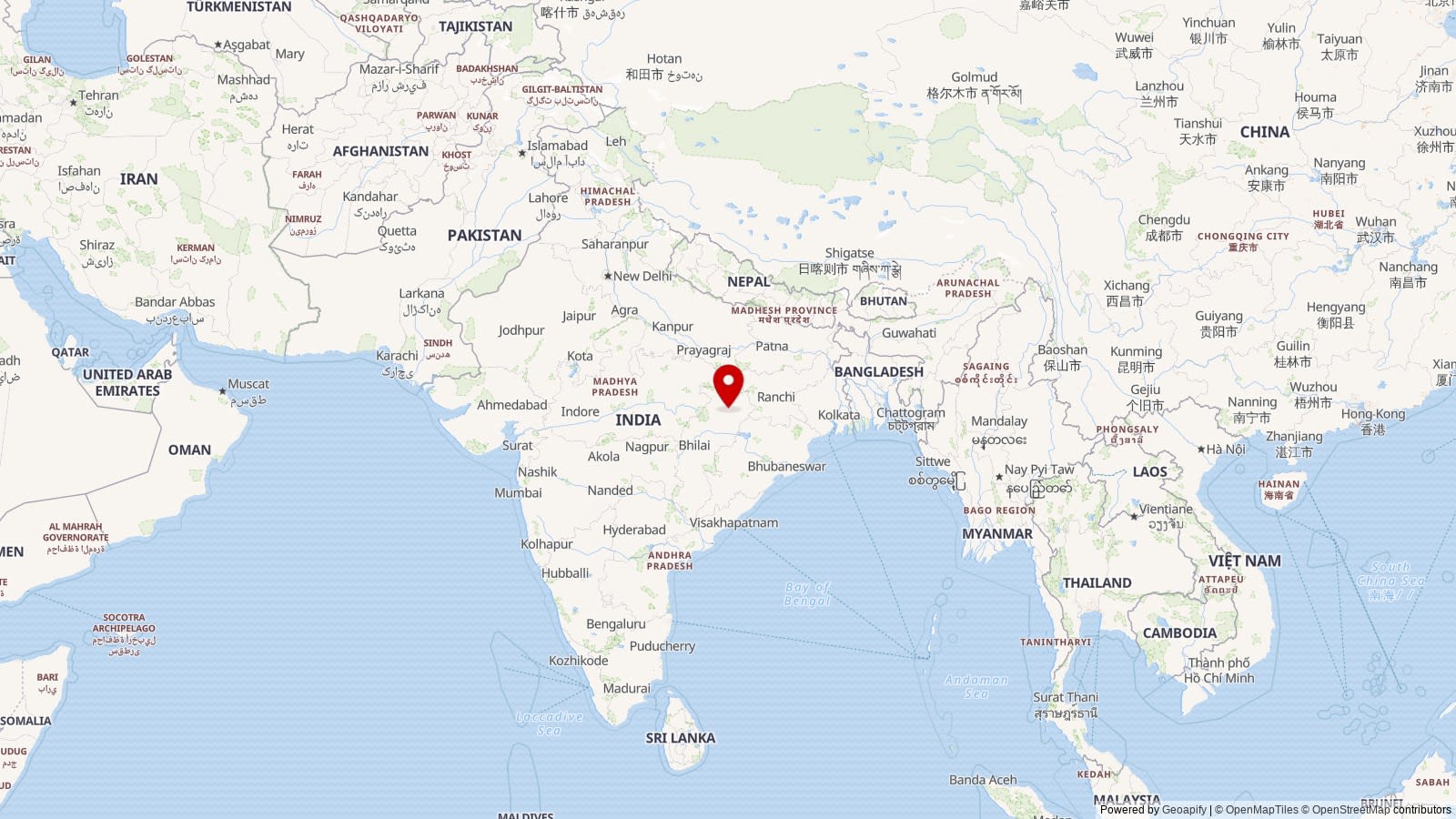
More than 100 Japanese companies have established or expanded their Global Capability Centres across India, shifting their focus away from traditional back-office support toward high-value artificial intelligence, engineering, and digital product development.
The strategic expansion marks a major shift in how Japanese corporate giants view their Indian operations. Rather than relying on Indian centres primarily for cost reduction, major Japanese enterprises are turning to the country's technology hubs to lead global transformation, digital product engineering, and advanced analytics.
Driving high-end innovation from India
Japanese capability centres are becoming deeply integrated into executive decision-making and international product roadmaps. Key technical disciplines taking root in these Indian facilities include custom AI models, process automation, cybersecurity architectures, and hardware-software engineering.
Arpita Srivastava, Managing Director for APAC Tenant Representation and GCC Advisory at Cushman & Wakefield, stated that Japanese firms are deliberately building strategic capability centres designed to generate long-term business value, foster product innovation, and guide corporate transformation globally.
Vast talent pool and infrastructure support expansion
India's unmatched talent pipeline remains central to this investment wave. According to Cushman & Wakefield, the country produces between 2.5 million and 2.8 million science, technology, engineering, and mathematics graduates every year. That technical workforce, combined with world-class office infrastructure and a stable investment ecosystem, has cemented India's standing as the premier location for global research and development.
| Capability Hub Metric | Figure or Region | Primary Operational Focus |
|---|---|---|
| Active Japanese GCCs | Over 100 | AI, analytics, product development |
| Annual STEM Graduates | 2.5m to 2.8m | Advanced engineering & computer science |
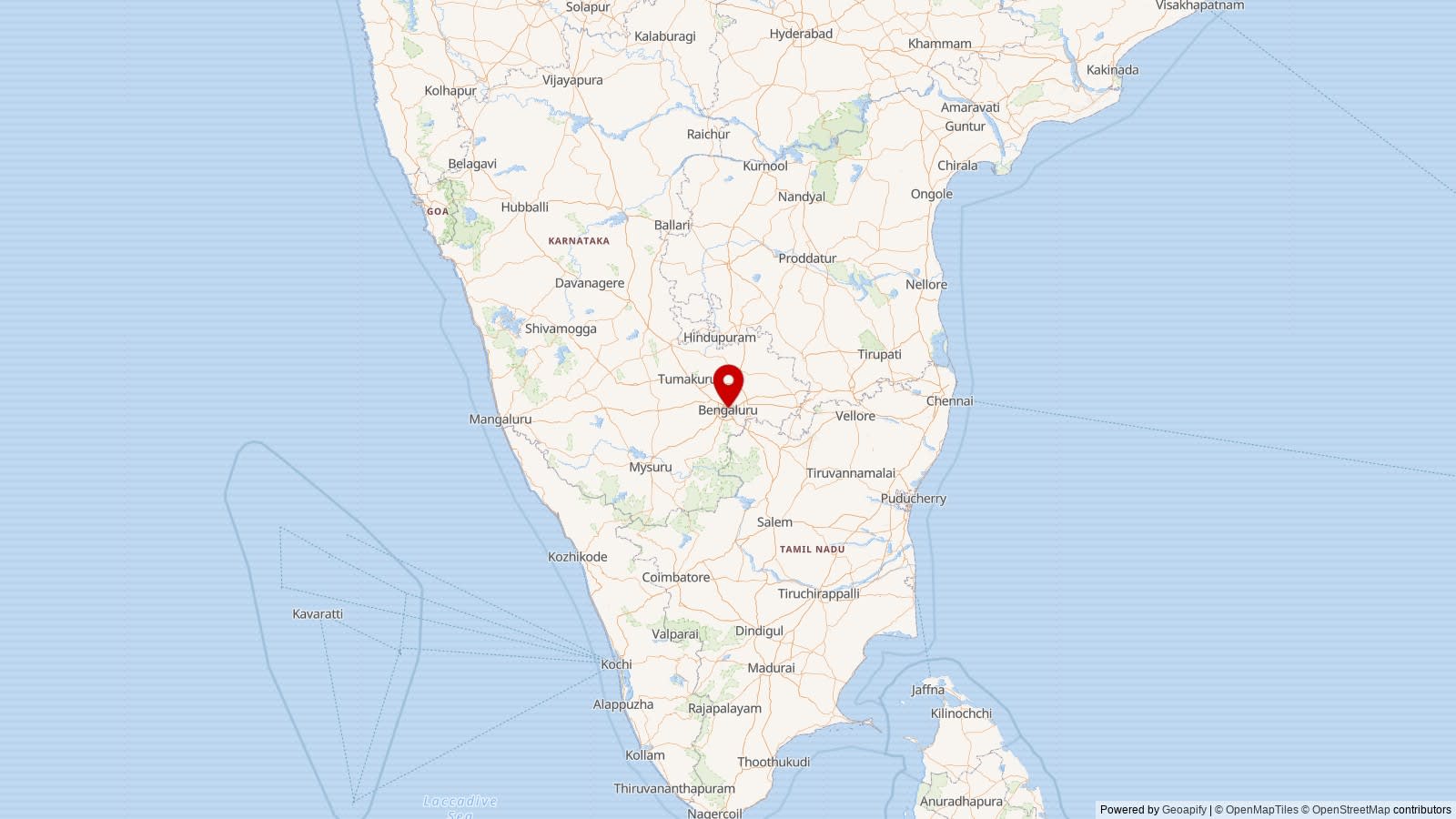
| Established Tech Hubs | Bengaluru, Hyderabad, Pune | Hardware design, software engineering |
| Emerging Investments | Tier-2 office parks | Distributed technology operations |
While established technology hubs such as Bengaluru, Hyderabad, and Pune continue to attract the bulk of initial investments, Japanese firms are also exploring emerging talent markets across the country. Japanese capital is increasingly flowing into modern office campuses and specialized technology parks, reinforcing India's broader innovation ecosystem.
Long-term outlook for Indian operations
Cushman & Wakefield expects Japanese companies to expand their footprint within India's capability centre network over the next decade. Indian teams are projected to take on a primary role in generating intellectual property and leading cross-border technical initiatives in close collaboration with teams in Japan.
Key numbers
| What | Figure | Source |
|---|---|---|
| Japanese companies expanding GCCs | Over 100 | Cushman & Wakefield |
| Annual Indian STEM graduates | 2.5 million to 2.8 million | Cushman & Wakefield |
In this story
| Name | Role in the story |
|---|---|
| India | Host nation for expanding Japanese Global Capability Centres. |
| Japan | Country of origin for the expanding companies. |
| Arpita Srivastava | Managing Director, APAC Tenant Representation & GCC Advisory at Cushman & Wakefield. |
| Cushman & Wakefield | Published the report detailing Japanese GCC expansion in India. |