Meta open sources Muse AI code for DIY gadgets
Hobbyists can now build custom hardware for Meta's assistant, alongside upcoming official devices like the Muse Charm.
Meta has released the open-source code for its Muse AI assistant, allowing developers and hardware hackers to build their own custom physical gadgets. Under the new "Muse Gadgets" project, the company is providing firmware and software development kits (SDKs) to let hobbyists hook the AI agent up to screens, buttons, and sensors.
The move is part of a broader push to embed Meta's personal assistant into physical hardware. Alongside the open-source release, Meta is giving away a limited run of a home automation dongle it built itself, and is preparing to launch a standalone handheld device called the Muse Charm.
How to build a custom Muse gadget
The open-source release is targeted at the hardware-hacking community. Meta has published an ESP32 device SDK and a Linux SDK, licensed under Apache 2.0, which run on cheap, off-the-shelf components.
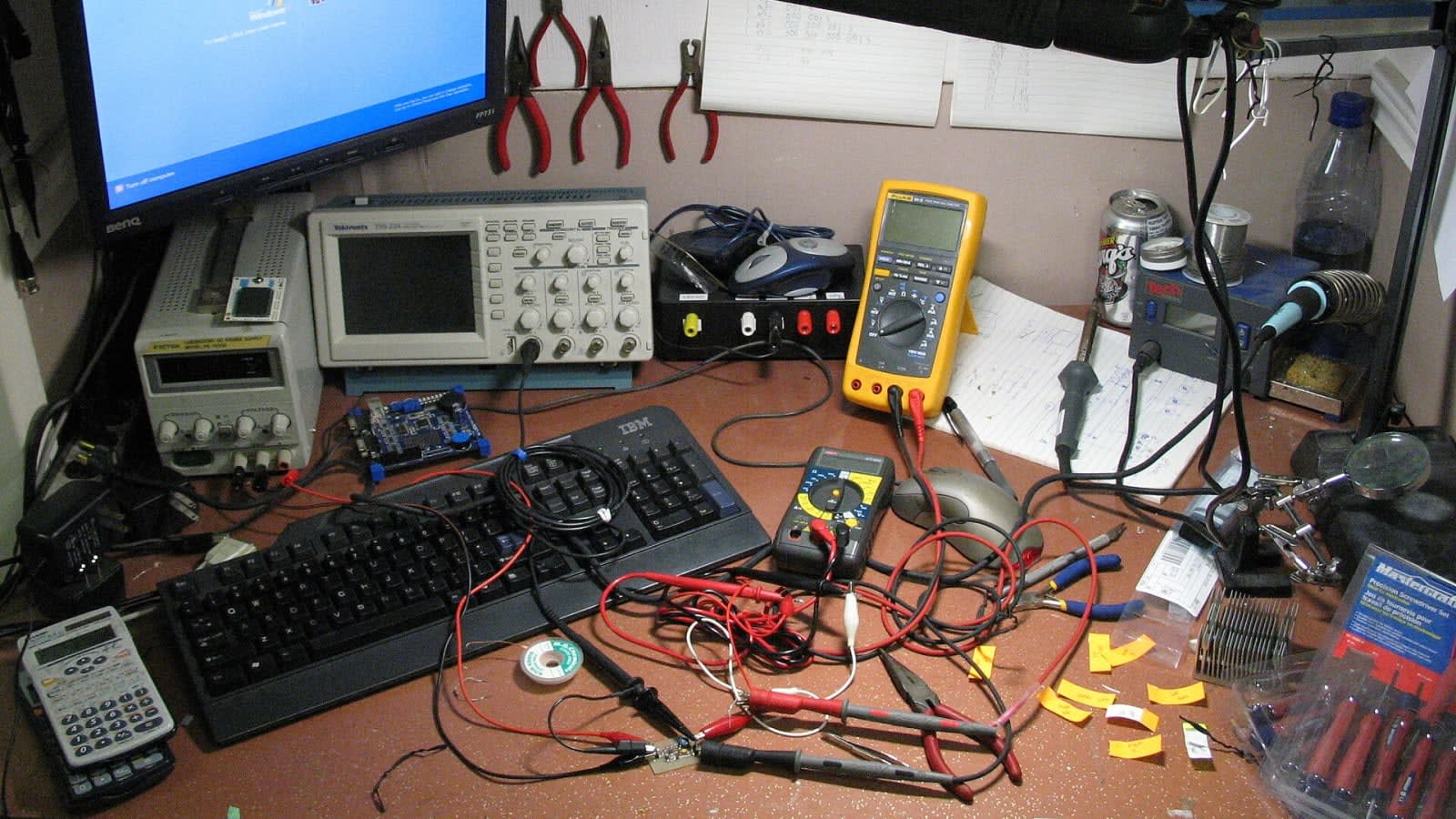
Developers can hook Muse up to a Raspberry Pi or an ESP32 microcontroller, connecting the assistant to whatever they have on their workbench. Meta suggested several DIY projects, including wiring Muse into a colour e-ink screen to show morning checklists, building an HDMI TV stick that puts the assistant on a television screen, or creating small touchscreen units. To support the project, Meta has set up a dedicated Discord community for developers to collaborate and share designs.
The Muse Home Link and Muse Charm
To show what the software can do, Meta’s Superintelligence Labs designed a small physical device called the Muse Home Link. The USB-C-powered dongle connects Muse to a local home network, allowing it to control smart home devices such as TVs, speakers, and other appliances.
Nat Friedman, the head of product at Superintelligence Labs, announced on X that the company manufactured 5,000 Home Link devices to give away for free to Muse subscribers. The waitlist is open, and the devices are scheduled to begin shipping this month.
For general consumers, Meta is launching a commercial handheld device called the Muse Charm. Chief executive Mark Zuckerberg unveiled the Tamagotchi-style gadget at the Meta Connect keynote, pitching it as an always-on assistant for people who do not want to wear the company’s smart glasses.
The Muse Charm is scheduled to ship in December, ahead of the holiday season, though Meta has not yet announced a price. It runs the same Muse assistant that powers the smart glasses, which can book travel, complete online forms, and coordinate tasks in the background.
Can Meta succeed where other AI hardware failed?
By encouraging DIY gadgets and releasing the Muse Charm, Meta is entering a product category that has proved notoriously difficult. Standalone AI devices like the Humane AI Pin and the Rabbit R1 launched to poor reviews, with Humane eventually discontinuing its device.
Meta is betting that its approach will succeed because Muse is already an established assistant integrated with other services, rather than a brand-new platform starting from scratch. Whether that existing ecosystem is enough to make people want a dedicated AI ornament in their pockets remains to be seen.
Key numbers
| What | Figure | Source |
|---|---|---|
| Number of Muse Home Link devices manufactured | 5,000 | Nat Friedman, Head of Product at Meta's Superintelligence Labs |
| Muse Charm release target | December 2026 | Mark Zuckerberg, Meta CEO |
In this story
| Name | Role in the story |
|---|---|
| Meta | The company open-sourcing the Muse code and launching upcoming hardware. |
| Muse Home Link | A smart home USB-C dongle being given away to subscribers. |
| Muse Charm | A Tamagotchi-like handheld AI hardware assistant scheduled for December launch. |