Central bank interest rates: how policy changes take up to two years to hit households
Policymakers set overnight borrowing rates for commercial banks, but the real impact on personal mortgages and inflation moves at a crawl.
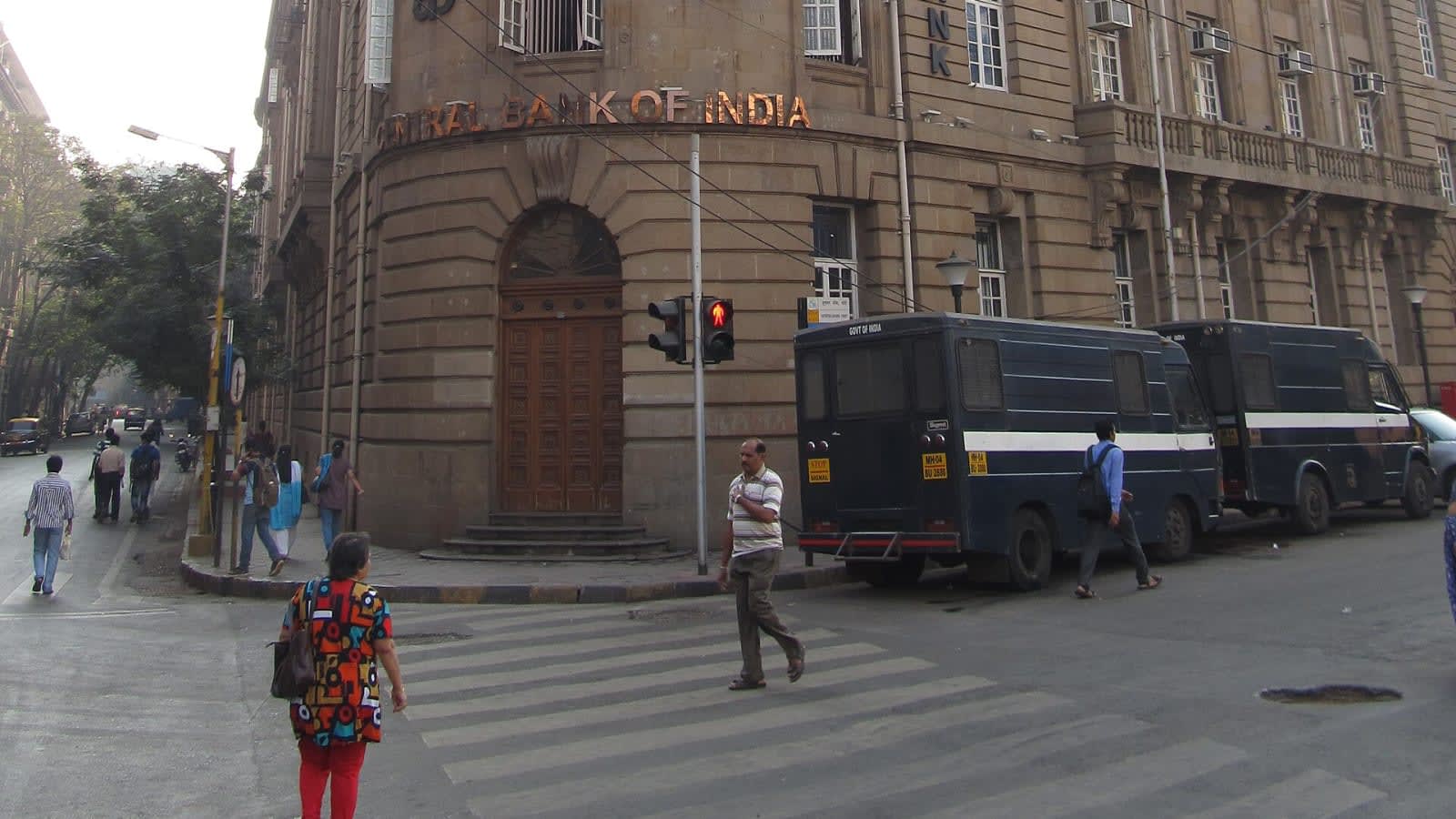
What actually changes on rate day
When a central bank monetary policy committee announces a rate change, it does not directly rewrite the terms of consumer credit cards, business loans or savings accounts. Instead, the central bank alters the benchmark interest rate it charges commercial lenders for overnight loans, or the yield it pays them on money held in central bank reserves.
This central rate sets the baseline for the wholesale interbank market. Commercial banks borrow from one another every day to meet regulatory liquidity requirements. Shifting the official rate immediately alters the cost of those short-term wholesale funds.
How the decision moves to retail loans
Once wholesale money becomes cheaper or more expensive, commercial lenders adjust their own balance sheets to maintain profit margins. The speed of that adjustment depends entirely on the type of product.
Variable-rate loans tied directly to the central bank benchmark move almost right away. Trackers and floating-rate lines of credit usually adjust within a billing cycle.
Deposit rates and fixed-rate loans shift at a slower, discretionary pace. If wholesale funding is expensive, commercial banks eventually raise savings rates to lure consumer deposits. If wholesale money is cheap, banks cut yields for savers because they do not need retail cash to fund their operations.
Why the lag takes up to two years
Translating a benchmark rate change into a measurable shift in broader economic activity takes time. Central bank research suggests the full impact on gross domestic product and inflation usually takes between 12 and 24 months.
Several structural friction points create this delay:
- Fixed-rate contracts: A large share of personal mortgages and corporate bonds are locked into fixed interest rates for two, five, or ten years. Homeowners on fixed terms feel no impact until their current deal expires.
- Corporate planning cycles: Businesses approve capital investments, equipment orders, and commercial leases months or years in advance. Higher borrowing costs stop new projects from starting, but rarely halt projects already underway.
- Consumer habits: Household spending changes gradually as existing savings deals mature and refinancing dates arrive.
What this means for monetary policy
Because of this transmission lag, central banks cannot manage current inflation in real time. Setting interest rates based solely on today's economic figures is like steering a vessel that turns two miles after moving the wheel.
Policy decisions taken today are aimed at economic conditions expected a year or two in the future. If a central bank waits until inflation drops to its target before lowering rates, borrowing costs may remain restrictive for longer than necessary, dampening growth long after the immediate danger has passed.
Key numbers
| What | Figure | Source |
|---|---|---|
| Full transmission timeline | 12 to 24 months | Central bank macroeconomic estimates |
In this story
| Name | Role in the story |
|---|---|
| Central Bank | Main subject establishing monetary policy and setting benchmark rates. |