EU and China agree deal to cut Chinese hybrid car exports
A two-day summit in Beijing yields an agreement expected to halve projected Chinese hybrid exports to Europe over the next four years.
The European Union and China have reached an agreement to curb Chinese exports of hybrid cars, providing a key breakthrough in efforts to address trade imbalances between Brussels and Beijing.
Following two days of talks in Beijing, EU Trade Commissioner Maroš Šefčovič announced that the two sides had established a shared understanding to moderate Chinese exports of hybrid and plug-in hybrid vehicles. European officials estimate the move could cut projected Chinese exports to the bloc by more than half over the next four years, keeping millions of vehicles out of the European market.
Chinese auto exports to Europe have grown rapidly, accounting in August for one in eight cars sold across the bloc, driven primarily by hybrid models. European automakers including Volkswagen and Mercedes-Benz have recently announced factory closures and job cuts under pressure from lower-cost Chinese competition.
What did China agree to in the trade talks?
Alongside the limits on vehicle exports, Beijing agreed to lower import tariffs on €4 billion worth of European products, including olive oil and footwear. The European Commission estimates these tariff cuts will save European exporters around €225 million.
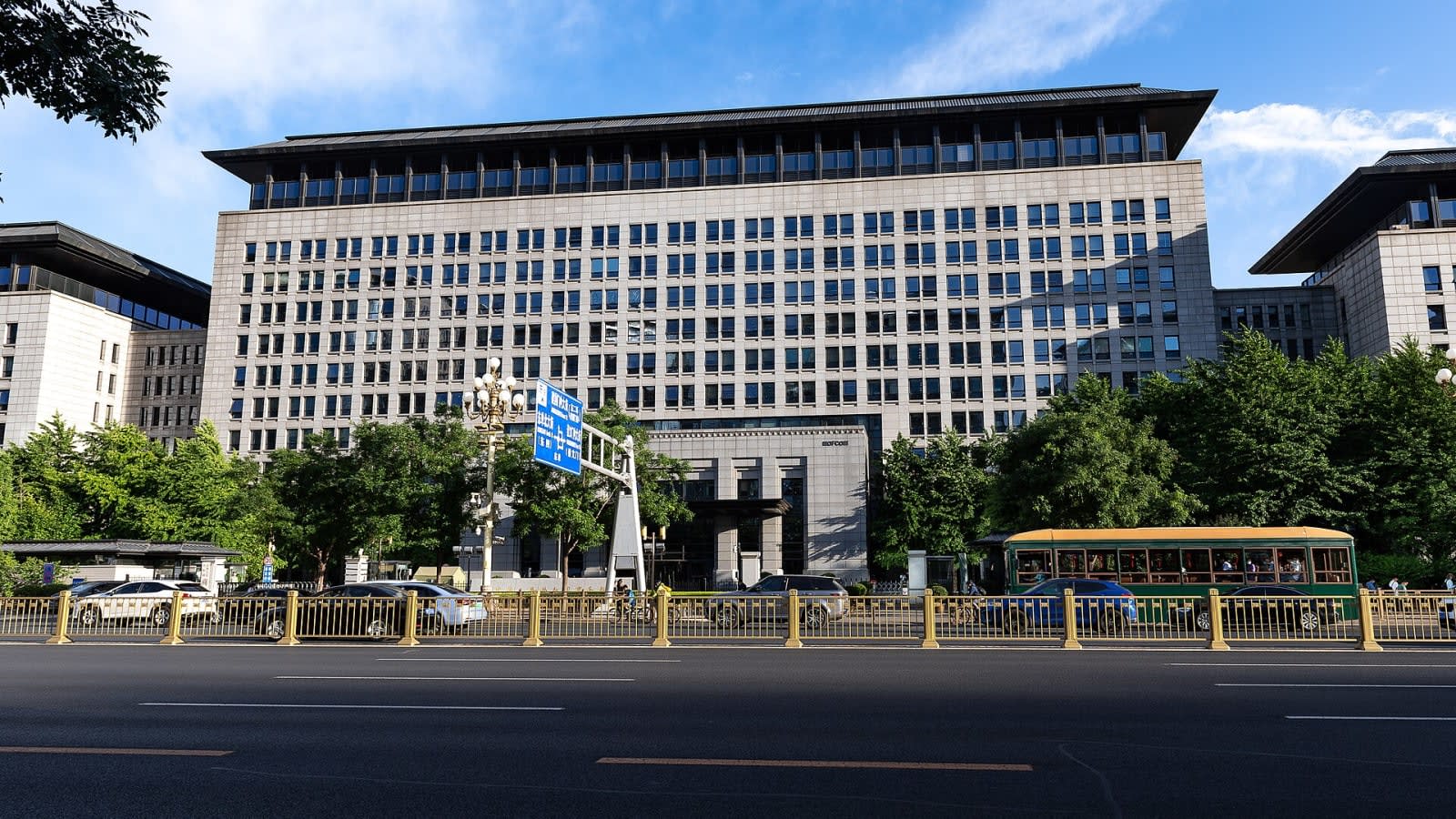
China’s Commerce Ministry confirmed the understanding on hybrid vehicles in a 16-point statement and indicated it would continue to fast-track export licenses for rare earth elements and permanent magnets to Europe. European car assembly lines previously suffered shutdowns when Beijing restricted rare earth exports last year following disputes over US tariffs.
Beijing also agreed to explore easier market access for European medical devices and relax disease-control restrictions that have limited European livestock and meat exports.
Why is the EU pushing to restrict Chinese exports?
European leaders, led by France and Germany, had urged Brussels to take decisive action if China failed to address its industrial overcapacity and export growth. The EU’s trade deficit with China reached nearly €360 billion in 2025 and expanded by a further 12 per cent during the first half of 2026.
Šefčovič said the agreement complied with World Trade Organization rules, though he declined to detail whether Brussels would reserve the right to impose import quotas or tariffs if export volumes do not drop as expected.
What happens next?
Šefčovič will report the outcome of the negotiations to European Commission President Ursula von der Leyen and EU national leaders at a summit in Brussels next Thursday.
EU officials view the hybrid car deal as a potential model for managing trade friction in other sectors under pressure from Chinese supply, such as machinery and chemicals. Further discussions between EU and Chinese trade officials are scheduled for January, ahead of a formal follow-up meeting in March 2027.
Key numbers
| What | Figure | Source |
|---|---|---|
| Projected reduction in Chinese hybrid exports | More than 50% | European Union Trade Commissioner Maroš Šefčovič |
| Value of European goods subject to reduced Chinese tariffs | €4 billion | European Union Trade Commissioner Maroš Šefčovič |
| Estimated annual savings for European exporters | €225 million | European Union Trade Commissioner Maroš Šefčovič |
| EU trade deficit with China in 2025 | €360 billion | European Commission |
| Market share of Chinese auto exports in the EU in August | 1 in 8 cars sold | European Commission |
In this story
| Name | Role in the story |
|---|---|
| Maroš Šefčovič | European Commissioner for Trade who negotiated the agreement in Beijing. |
| European Union | The trading bloc negotiating export limits with China. |
| Beijing | Location of the two-day trade summit. |
| Ministry of Commerce of the People's Republic of China | Chinese government ministry issuing the parallel 16-point statement. |