
GST reforms roll out as Centre and states join forces to expand tax base
Fresh measures from the 57th GST Council meeting target easier input credit, streamlined transit checks, and non-intrusive data analytics.
India's tax authorities are rolling out a series of administrative and procedural reforms agreed at the 57th Goods and Services Tax Council meeting, designed to settle long-standing industry grievances while expanding the national revenue base.
The measures, finalised during the meeting on 8 October, focus on making indirect taxation simpler, predictable, and less burdensome for businesses. The Centre and state governments are now coordinating across tax administrations to ensure uniform rollout, with most changes scheduled to take effect from April 2025.
What is changing for businesses
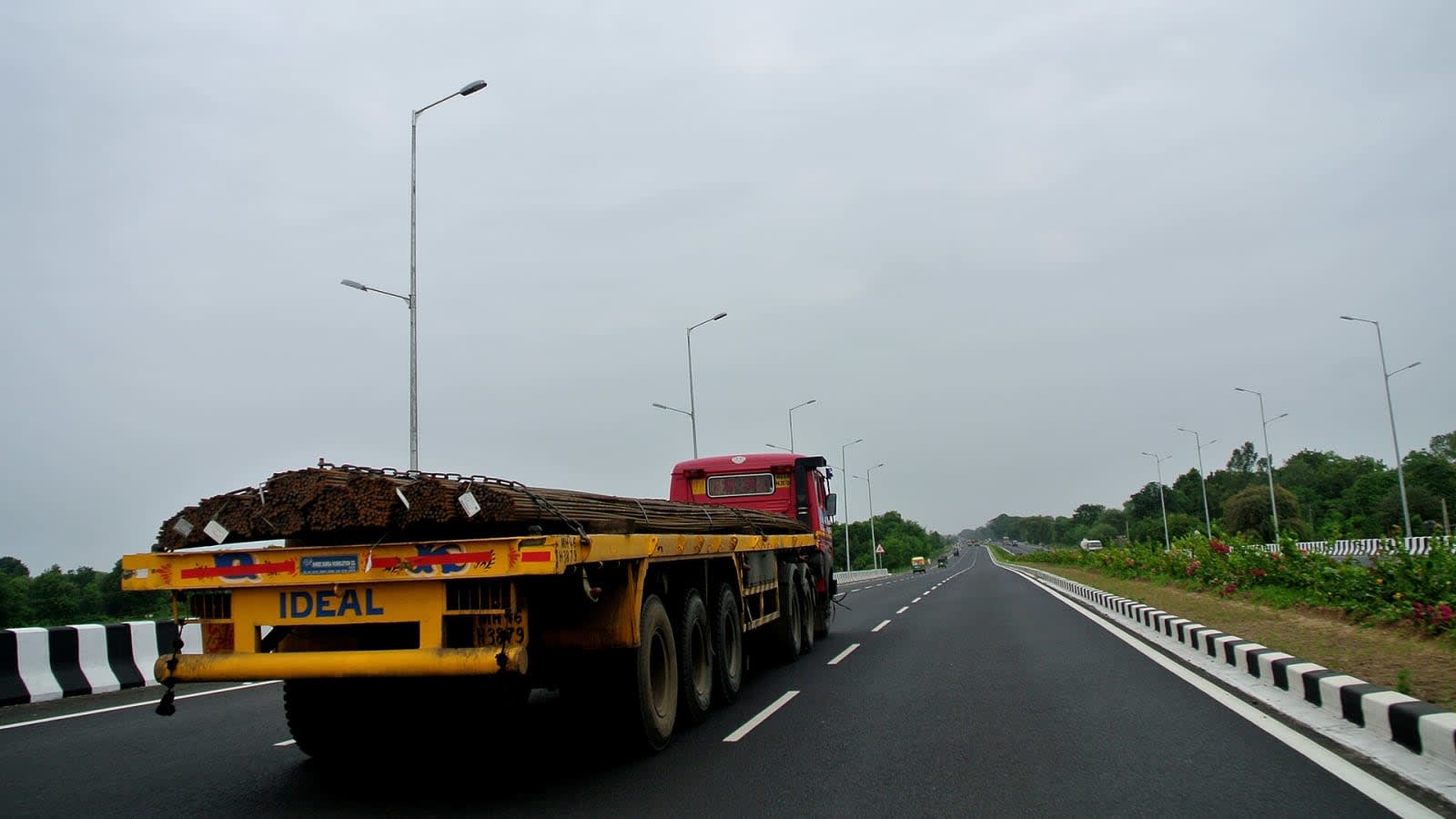
A major focus of the overhaul is reining in arbitrary enforcement on freight corridors. Transported goods vehicles will no longer face random transit-state inspections. Under the new guidelines, interceptions require specific intelligence inputs alongside prior written clearance from an official holding at least the rank of Joint Commissioner.
While industry bodies had sought the removal of e-way bills entirely, officials maintained that the mechanism remains essential for logistics tracking and macroeconomic forecasting by the Reserve Bank of India. Instead, the administration is addressing procedural harassment directly.
The Council is also addressing friction over Section 16(2)(c) of the GST Act, which denies input tax credit (ITC) to a buyer if their supplier fails to remit the tax. An officers' committee has been given three months to recommend balanced safeguards so compliant buyers are not penalised for a counterparty's default.
| Area of reform | Previous practice | New measure |
|---|---|---|
| Goods vehicle interception | Routine roadside checks across transit states | Requires specific intelligence and Joint Commissioner approval |
| Small tax demands | Formal notices issued for minor discrepancies | Proposal to drop demand notices under Rs 10,000 |
| Supplier default (Section 16(2)(c)) | Input credit blocked for recipient | Committee reviewing targeted action against errant suppliers |
| B2C transactions | Voluntary, limited digital trail | Phased e-invoicing pilot planned from April |
Widening the base through technology
Rather than relying on intrusive inspections, the revenue department plans to widen the existing net of 1.7 crore registered taxpayers through digital analytics. The Centre has shared transaction gap analysis with state governments, supported by the Goods and Services Tax Network (GSTN), to help trace untaxed legs of supply chains without disrupting day-to-day commerce.
Authorities are also examining whether an executive order can immediately halt demand notices for sums below Rs 10,000, cleaning up low-value disputes that tie up administrative resources.
Speaking at an interactive session organised by the Bangalore Chamber of Industry and Commerce, Department of Revenue Joint Secretary K Balasubramanian noted that overall taxable supplies grew by approximately 26 per cent between October and August compared with the previous year. Second-quarter GST revenue grew around 15 per cent, reflecting steady economic momentum.
Of the 13 recommendations submitted by industry representatives at the Bangalore chamber, the GST Council adopted seven, including permitting input tax credit on employee insurance and waiving interest liabilities on reversed credit.
What happens next
Joint training programmes are underway across state and central departments to align field formations before the April start date. Over the coming weeks, joint committees will resolve remaining technical issues, including whether errant suppliers can be penalised individually without freezing credit across the wider commercial supply chain.
Key numbers
| What | Figure | Source |
|---|---|---|
| Registered GST taxpayers | 1.7 crore | Finance Ministry official |
| Growth in taxable supplies (Oct to Aug) | Around 26% | K Balasubramanian, Joint Secretary, Department of Revenue |
| Q2 GST revenue growth | Around 15% | K Balasubramanian, Joint Secretary, Department of Revenue |
| Threshold for potential relief from demand notices | Rs 10,000 | Finance Ministry official |
| Officer rank required to authorise transit vehicle interception | Joint Commissioner or above | Department of Revenue |
Questions readers are asking
When do the new GST procedural reforms take effect?
Most changes approved during the 57th GST Council meeting require legislative amendments and are slated for implementation from April, though administrative relief for demands under Rs 10,000 is being considered sooner via executive order.
What are the new rules for inspecting goods vehicles in transit?
Routine stops in transit states have been restricted. Officers must now possess specific intelligence inputs and obtain written authorisation from an official of at least Joint Commissioner rank before intercepting vehicles.
In this story
| Name | Role in the story |
|---|---|
| Goods and Services Tax Council | Inter-governmental body that approved the latest procedural tax reforms. |
| K Balasubramanian | Joint Secretary in the Department of Revenue, Ministry of Finance. |


