
India shelves coal import plan, relying on domestic output to restock power plants
High seaborne prices and currency pressures prompt the government to lean on Coal India and freight networks rather than expensive overseas fuel.
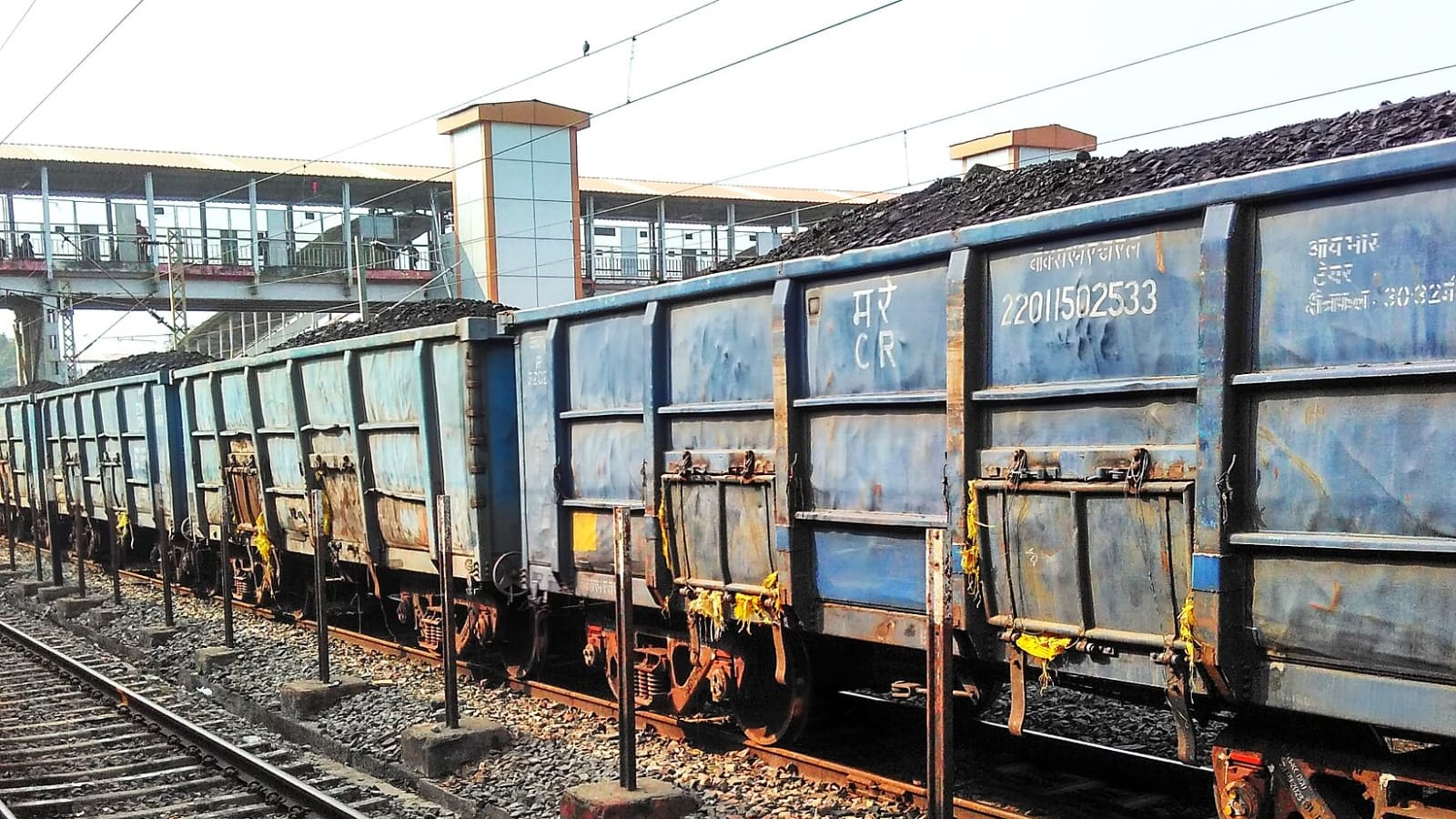
India has shelved a plan to mandate coal imports for power stations, deciding to lean on domestic mining and railway freight networks to replenish power utility stockpiles rather than take on expensive overseas shipments.
Government officials had considered requiring thermal power plants to blend imported grades with domestic fuel to ease tight inventories. That proposal has now been abandoned in the face of three-year highs in international benchmark thermal coal prices and a weaker rupee, which together have inflated the cost of seaborne arrivals.
Rather than draining foreign exchange at a time when elevated crude oil prices have already enlarged the country's energy import bill, policymakers have instructed state-owned miner Coal India to ramp up pithead extraction, while directing the railways to speed up freight movement to generation units.
Rail freight and domestic supplies ramp up
Coordinated logistics between mining authorities and Indian Railways have already begun easing supply bottlenecks. Daily coal deliveries to the power sector climbed roughly 36 per cent compared with September rates, supported by aggressive freight scheduling.
Rail loadings averaged more than 465 rakes a day through early October, hitting the target of 470 rakes on three consecutive days. Transport officials aim to maintain 465 to 475 rakes daily, a level intended to rebuild reserves ahead of festive-season and winter electricity demand. Authorities also ordered more than 100 captive power plants to operate at maximum capacity from 1 October through the end of December.
| Measure | Level | Authority |
|---|---|---|
| Power utility recommended stock | 61.2 million tonnes | Central Electricity Authority |
| Actual utility stock (as of 8 Oct) | 20.6 million tonnes | Central Electricity Authority |
| Plants with critical stock (8 Oct) | 87 of 190 | Central Electricity Authority |
| Daily inventory draw (first 17 days of Oct) | ~48,000 tonnes | Ministry of Power |
Inventories stabilise as autumn cools demand
Stockpiles at Indian generation utilities had fallen to their thinnest level in nearly five years after late-season heat bolstered cooling demand and deficient rainfall curbed hydropower output. The resulting strain created an electricity deficit in September.
However, the rate of stock drawdown slowed sharply once October began. The daily inventory decline across domestic coal-fired plants fell to around 48,000 tonnes during the first 17 days of the month—approximately one-fifth of the pace recorded in September.
The coal ministry has clarified that categorising a station as holding "critical stock" functions as an early operational trigger rather than a sign of imminent shutdown. The designation enables grid operators and logistics managers to redirect rakes swiftly to stations with low buffers, maintaining uninterrupted power supply.
With seasonal temperatures beginning to subside from unseasonable highs, cooling load is projected to taper, providing power utilities with room to rebuild fuel reserves before summer returns next year.
Key numbers
| What | Figure | Source |
|---|---|---|
| Daily power sector coal delivery increase | 36% | Ministry of Coal |
| Average daily rail rakes in October | 465 rakes | Ministry of Coal |
| Power utilities' total coal holdings (8 Oct) | 20.6 million tonnes | Central Electricity Authority |
| Recommended coal stock across utilities | 61.2 million tonnes | Central Electricity Authority |
| Average daily stock depletion in early October | 48,000 tonnes | Ministry of Power |
Questions readers are asking
Why did India drop the plan to mandate coal imports?
International benchmark thermal coal prices have reached three-year highs, and a weaker rupee increased the import bill. The government chose to avoid costly foreign purchases and rely instead on boosted domestic extraction and railway deliveries.
What does a critical coal stock designation mean for a power plant?
According to the coal ministry, the critical stock label is an early operational warning used to trigger supply redistribution, and does not indicate an imminent outage or shutdown.
In this story
| Name | Role in the story |
|---|---|
| Coal India Ltd | State-run mining giant asked to step up production to restock power utilities. |
| Indian Railways | National rail network tasked with maintaining 465 to 475 coal rakes daily. |


