India targets 100 GW nuclear power capacity by 2047 with Rs 7.5 lakh crore private backing
Private companies are expected to contribute 30 GW toward the national nuclear target following recent legal reforms.
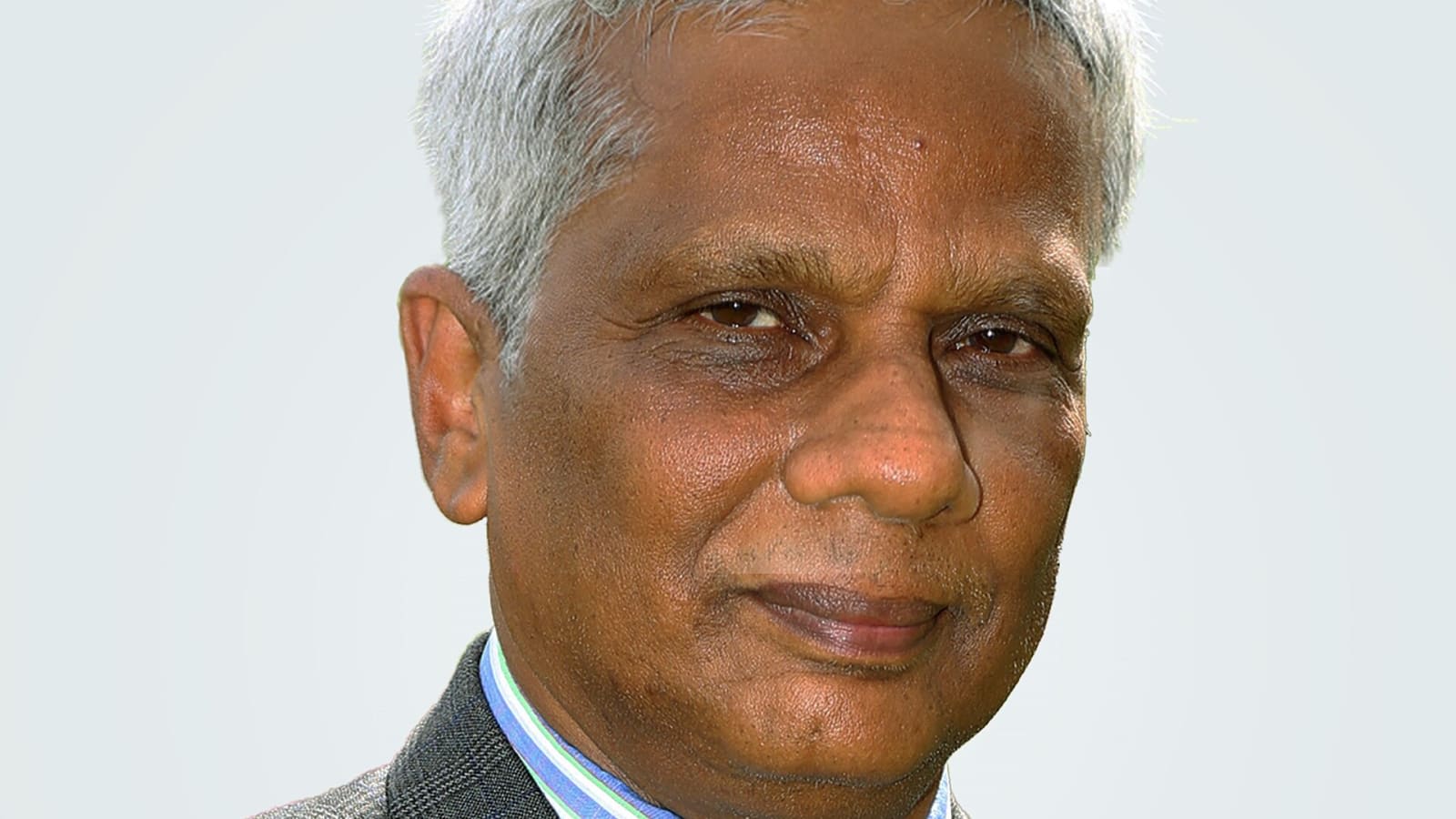
India expects to draw Rs 7.5 lakh crore in private investment into its nuclear energy sector as part of a long-term plan to expand total atomic power capacity to 100 gigawatts by 2047, Atomic Energy Commission Chairman Ajit Kumar Mohanty said.
Private companies are projected to build and operate around 30 gigawatts of that total capacity. The push follows the passage of the Sustainable Harnessing and Advancement of Nuclear Energy for Transforming India (SHANTI) Act in December 2025, which opened the country's nuclear sector to broader public and private participation while keeping sovereign oversight over sensitive materials.
Mohanty said he expects a few private sector companies to begin operating nuclear reactors within five years. Generating one megawatt of nuclear power currently costs approximately Rs 25 crore, with plant construction generally taking five to seven years.
How the 100 GW goal breaks down
India's installed nuclear capacity stands at under 9 gigawatts across 24 operational reactors, all run by the state-owned Nuclear Power Corporation of India Limited (NPCIL). Another 17 reactors with a combined capacity of 13 gigawatts are under construction or development.
Under the government's roadmap, total capacity is targeted to reach around 22 gigawatts by 2031-32 before climbing to 100 gigawatts by 2047. NPCIL is set to scale its own operations to 54 gigawatts, while state governments, other public enterprises and private companies will supply the remaining 46 gigawatts.
Private entities are currently evaluating reactor technologies, land requirements, fuel supply lines and potential joint venture partnerships with NPCIL or foreign technology developers.
Small reactors and domestic thorium reserves
Alongside large-scale plants, India is exploring small modular reactors to supply heavy industries like steel and cement with dedicated low-carbon electricity. These smaller units can serve as captive power plants for individual factories or industrial clusters.
The expansion also aligns with India's long-standing three-stage nuclear energy roadmap, designed to shift reliance from imported uranium to vast domestic thorium reserves. India holds 25 per cent of global thorium reserves, with significant deposits in coastal monazite beach sands across states like Odisha and Andhra Pradesh.
The country entered the second stage of this program in April 2026, when the Prototype Fast Breeder Reactor at Kalpakkam in Tamil Nadu achieved first criticality. Fast breeder reactors use plutonium-239 recovered from spent fuel to generate power while producing fissile material that will eventually allow India to convert thorium into nuclear fuel for its third stage.
Key numbers
| What | Figure | Source |
|---|---|---|
| Expected private investment | Rs 7.5 lakh crore | Atomic Energy Commission Chairman Ajit Kumar Mohanty |
| Target total nuclear capacity by 2047 | 100 GW | Department of Atomic Energy |
| Private sector target capacity contribution by 2047 | 30 GW | Atomic Energy Commission Chairman Ajit Kumar Mohanty |
| Current installed nuclear capacity | 8.78 GW | Department of Atomic Energy |
| NPCIL target capacity by 2047 | 54 GW | Department of Atomic Energy |
| Estimated cost per megawatt generation | Rs 25 crore | Atomic Energy Commission Chairman Ajit Kumar Mohanty |
| India share of global thorium reserves | 25 per cent | Atomic Energy Commission Chairman Ajit Kumar Mohanty |
In this story
| Name | Role in the story |
|---|---|
| Department of Atomic Energy | Government department managing nuclear technology development |
| Ajit Kumar Mohanty | Chairman of the Atomic Energy Commission and Secretary of the Department of Atomic Energy |
| Atomic Energy Commission | India governing body overseeing nuclear energy policy |
| Nuclear Power Corporation of India Ltd | Public sector company operating India commercial nuclear fleet |