India's core industrial sector grew 7.9% in September 2026
The Index of Core Industries posted a 30‑month high, with coal, refinery products and iron ore leading the surge.
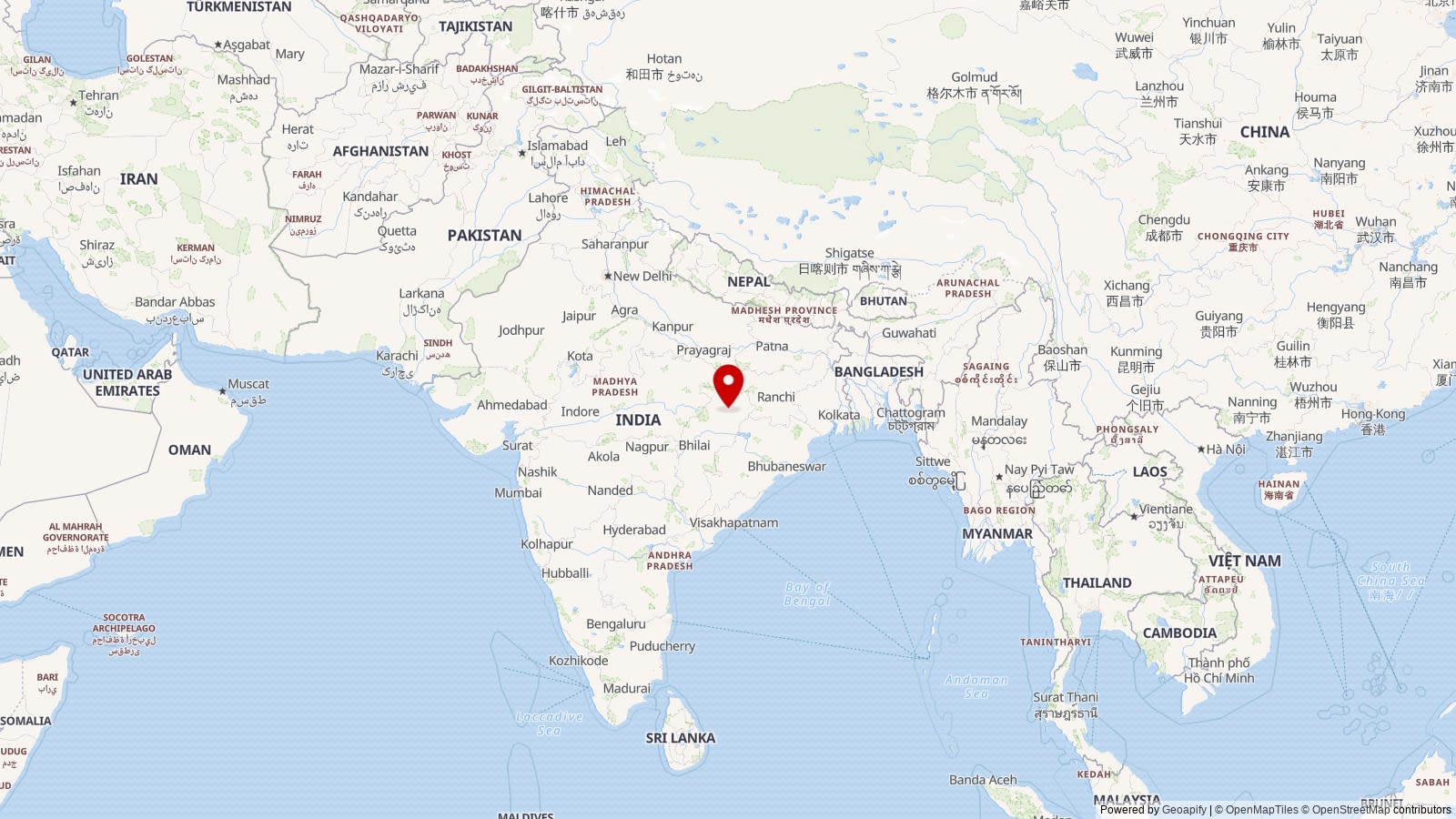
Core industrial output hits 7.9% growth in September 2026
The Ministry of Statistics and Programme Implementation said the Index of Core Industries expanded by 7.9% year‑on‑year in September 2026, the fastest rate in the latest 30‑month series. The increase marks the highest reading since the series began in April 2024 and signals that India’s backbone manufacturing sectors are back on an upward trajectory.
Sectors that powered the surge
| Sector | Growth % | Note |
|---|---|---|
| Coal | 10.7% | 13‑month high after a 1.1% decline a year earlier |
| Refinery products | 10.3% | Jumped from 5.6% the month before |
| Iron ore | 18.4% | Two‑month high, continuing a year‑long double‑digit trend |
| Electricity | 11.4% | Slightly down from 13.1% in August |
| Cement | 9.8% | Still robust despite a modest slowdown |
| Steel | 4.9% | Modest but steady gain |
| Domestic crude oil | -1.4% | Contraction narrowed from -3.6% in August |
| Natural gas | -4.6% | Slight improvement over -4.9% in August |
| Fertiliser | -11.7% | Seventh consecutive month of decline |
Aditi Nayar, chief economist at ICRA, noted, "Coal and iron ore output witnessed a meaningful pickup in their year‑on‑year growth rates in September 2026 compared to August 2026," adding that the rally was helped by a low base and tighter stock levels at power plants.
What the numbers mean for the economy
The strong performance in coal and power generation reflects the government's focus on energy security and the recent ramp‑up of domestic mining projects. Double‑digit growth in refinery products shows that the push to boost domestic fuel processing is bearing fruit, reducing reliance on imports. Iron ore’s rise aligns with higher steel demand in construction and infrastructure programmes.
While the fertiliser and natural‑gas segments remain in contraction, the overall picture is one of resilience. The modest slowdown in cement and steel still points to a healthy construction pipeline, supported by ongoing urban‑housing schemes and the government's push for affordable housing.
Outlook
Economists expect the core industrial index to stay above the 7% mark for the remainder of the financial year, provided that power supply constraints ease and global commodity prices remain stable. The next data release, scheduled for December, will reveal whether the momentum can be sustained as the monsoon season begins.
Context
The core‑industry index, which tracks 13 key manufacturing and mining activities, is a leading indicator of broader economic health. A sustained high growth rate typically precedes stronger GDP figures, suggesting that the Indian economy could close the 2026‑27 fiscal year on a firmer footing than previously projected.
Key numbers
| What | Figure | Source |
|---|---|---|
| Core industrial growth (Sept 2026) | 7.9% | Ministry of Statistics and Programme Implementation |
| Coal sector growth (Sept 2026) | 10.7% | Ministry of Statistics and Programme Implementation |
| Refinery products growth (Sept 2026) | 10.3% | Ministry of Statistics and Programme Implementation |
| Iron ore growth (Sept 2026) | 18.4% | Ministry of Statistics and Programme Implementation |
| Electricity sector growth (Sept 2026) | 11.4% | Ministry of Statistics and Programme Implementation |
| Cement sector growth (Sept 2026) | 9.8% | Ministry of Statistics and Programme Implementation |
| Steel sector growth (Sept 2026) | 4.9% | Ministry of Statistics and Programme Implementation |
| Domestic crude oil growth (Sept 2026) | -1.4% | Ministry of Statistics and Programme Implementation |
In this story
| Name | Role in the story |
|---|---|
| India | country whose core industrial sector is reported |
| Ministry of Statistics and Programme Implementation | released the core‑industry data |