India's highway toll booths to go completely barrier-free by March 2027
Automatic licence plate readers and FASTags will replace physical barriers, potentially saving the government up to Rs 25,000 crore annually.
What is changing on India's highways?
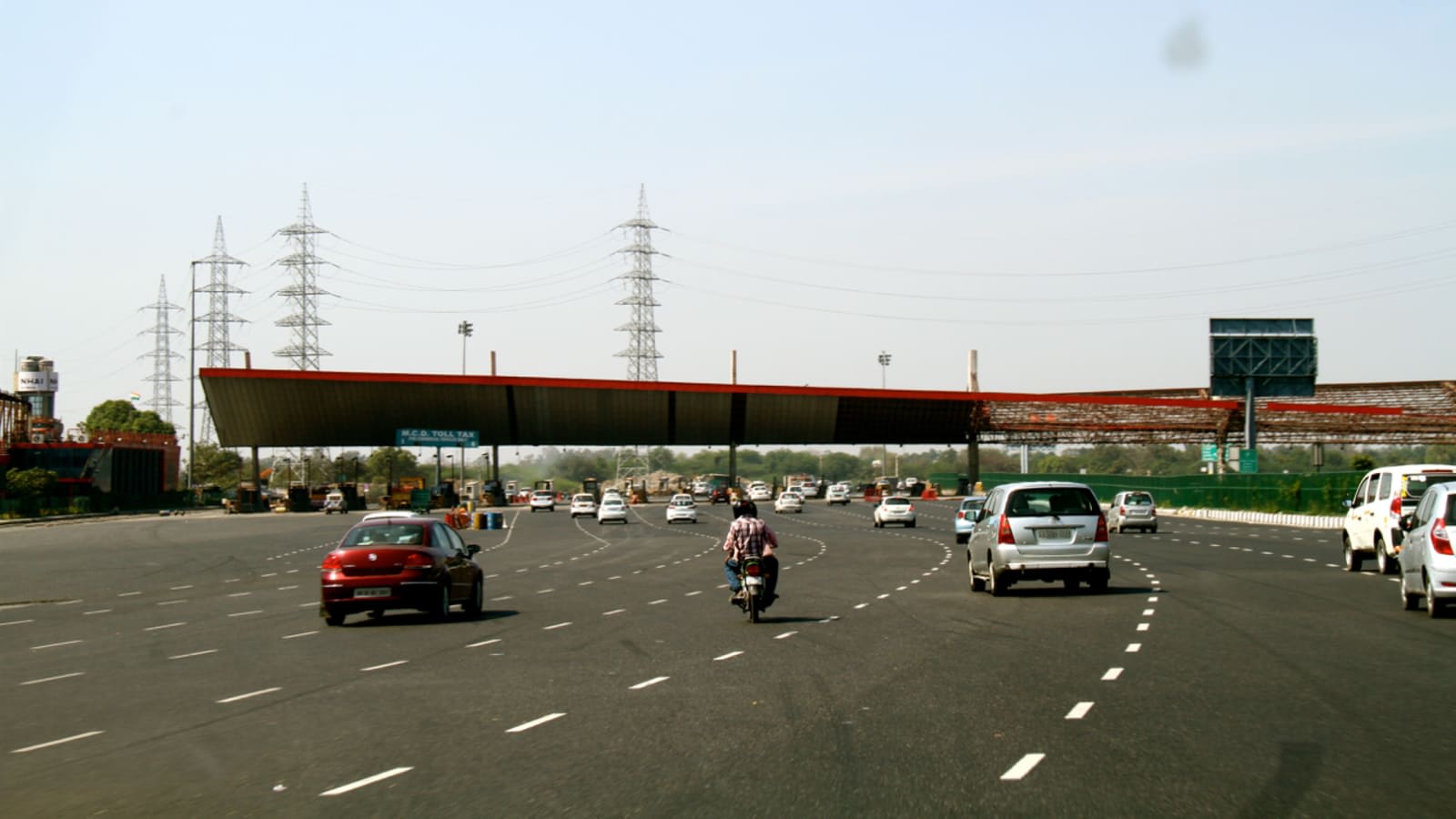
India plans to eliminate physical toll barriers across its national highway network by March 2027, replacing them with a fully automated electronic system.
Speaking at the Global Fintech Fest, Union Road Transport and Highways Minister Nitin Gadkari announced that the government aims to have more than 70% of toll booths barrier-free by December, with the final rollout completed by March the following year. The shift is projected to bring in an annual benefit of Rs 20,000 crore to Rs 25,000 crore to the government.
The new system, known as multi-lane free-flow tolling, allows vehicles to pass through toll zones without stopping. High-speed cameras will read licence plates and match them with FASTag accounts to deduct the charges automatically. A pilot version of this system was launched at a Mumbai toll plaza.
Why the shift matters
According to Gadkari, digital tolling has already significantly boosted public revenue. The wider adoption of FASTags has increased toll collections by roughly 10%—amounting to Rs 7,000 crore—pushing total toll revenues past Rs 82,000 crore. The ministry expects the barrier-free system to generate another 10% bump, adding up to Rs 8,000 crore more to the treasury.
For drivers, the main draw will be the end of long queues. Gadkari noted that before electronic tolling, vehicles spent an average of 12 minutes waiting at plazas. He cited studies showing that cutting out these idle stops could save motorists more than Rs 5,250 crore in fuel costs every year.
The transition has also drastically reduced the cost of collecting tolls. Operating expenses for toll booths have plummeted from 12% of collected revenue to between 2% and 3%. Currently, FASTag penetration at national highway toll plazas stands at over 98%, with around 13 crore tags issued across the country.
New features and cargo tracking
At the same event, the minister launched OneTag, a portability feature that allows vehicle owners to link their existing FASTag to a different bank account using the Rajmarg Yatra mobile app.
Beyond tolling, Gadkari called on technology firms to build systems to tackle freight transparency, specifically calling for tools to detect overloaded trucks. He noted that the sector's lack of transparency remains a major issue, adding that the Central Bureau of Investigation had recently booked one operator.
Key numbers
- March 2027
- Rs 20,000 to Rs 25,000 crore
- More than Rs 5,250 crore
- Over Rs 82,000 crore
- From 12% to 2-3%