Mumbai airport and airlines clash over plan to cut international flights by a third
The airport operator wants to slash 265 weekly slots at Terminal 2 to accommodate domestic traffic, prompting carriers to seek government intervention.
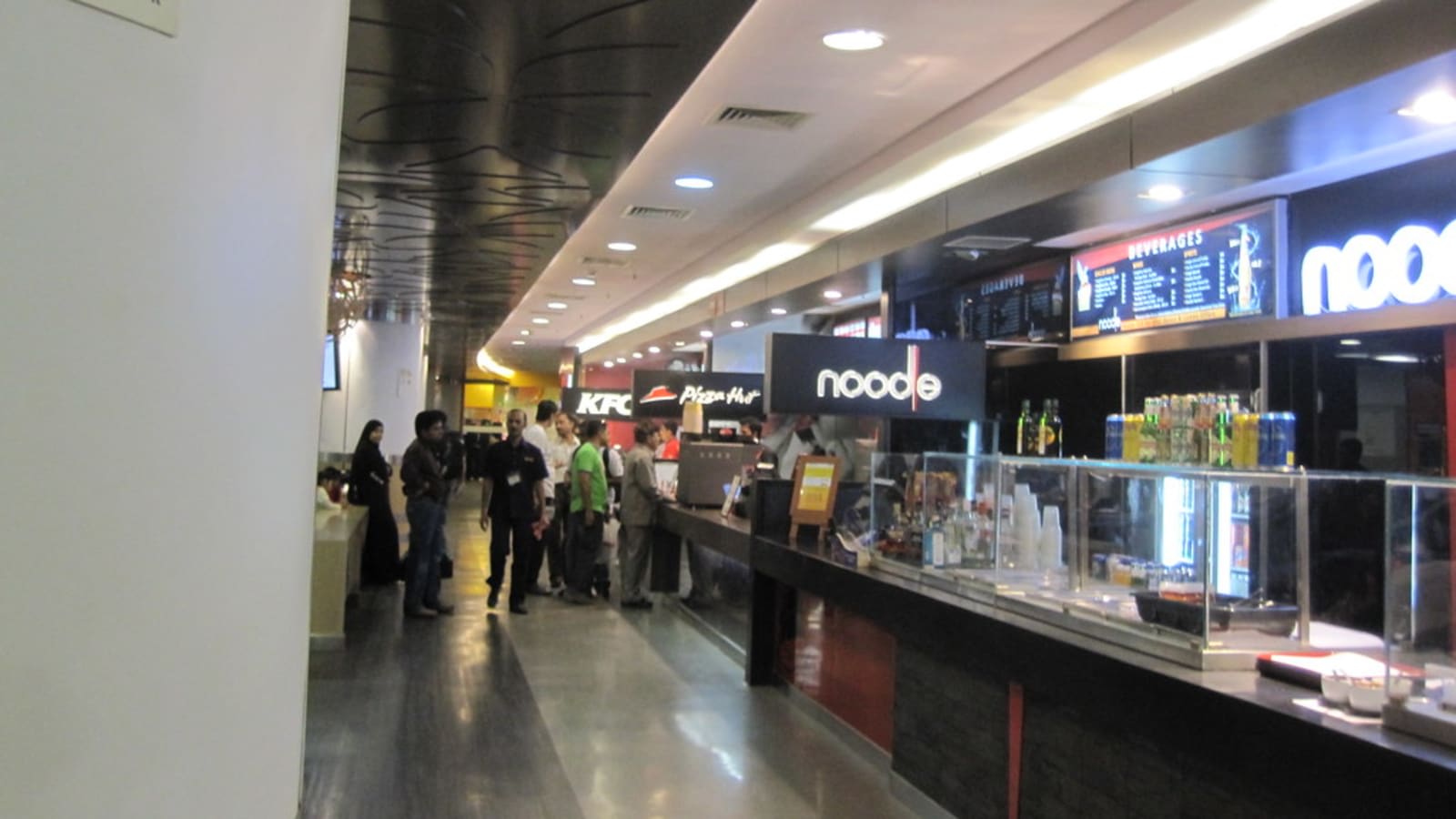
Airlines have flatly rejected a proposal by Mumbai airport's operator to cut international departure slots by a third starting late October, setting up a major confrontation just as the busy winter travel season begins.
Mumbai International Airport Ltd (MIAL), controlled by the Adani Group, wants to temporarily slash 265 of the 770 weekly international slots at Terminal 2 (T2). The operator plans to hand over this capacity—including check-in counters, boarding gates, and baggage belts—to domestic flights from 26 October. This is to facilitate moving about five million domestic passengers a year from Terminal 1 (T1), which is scheduled for a major redevelopment starting in January 2027.
But airlines are fighting back. They have formally rejected the cuts and turned to the Civil Aviation Ministry to intervene, according to reports by CNBC-TV18. Carriers argue that their winter schedules were approved back in June 2026. Flights are booked, aircraft are deployed, and passengers already have tickets. While they support upgrading Terminal 1, they say this should not mean unilateral flight cancellations.
Which airlines are hardest hit?
The proposed cuts will hit 46 airlines, with Indian carriers bearing the brunt of the disruption. IndiGo, Mumbai’s largest international operator, faces losing 74 of its 224 weekly flights. Air India is slated to lose 33 of its 100 weekly flights.
Other carriers are also facing significant reductions. Gulf giants Emirates and Etihad Airways would each lose 10 of their 28 weekly services, while Akasa Air faces 11 cuts, Air India Express seven, and SpiceJet five.
MIAL has given carriers until 4 pm on 6 October to select which flights they will temporarily pull. If airlines refuse to choose, the operator warned in a letter seen by The Hindu that it will make the decision for them based on "operational, capacity and implementation considerations."
IATA opposes forced relocation to Navi Mumbai
To ease the pressure, MIAL wants some international services to move to the new, more distant Navi Mumbai International Airport. To sweeten the deal, the operator is offering a 100% waiver on landing charges for new international flights and vouchers for passengers to offset higher user fees at the new site.
However, the International Air Transport Association (IATA) has strongly opposed what it calls a "forced relocation" of airlines. The global airline body warned that Navi Mumbai’s ecosystem is not ready for international operations, raising concerns over ground-handling, catering, widebody aircraft support, and passenger transit.
Why is Mumbai airport cutting slots?
The disruption stems from a long-planned upgrade. Terminal 1's redevelopment, set to start in January 2027, will eventually expand its capacity by a third, allowing it to handle 20 million passengers a year, up from 15 million. But until that work is done, the battle over who gets to fly out of Mumbai's primary airport remains unresolved.
Key numbers
| What | Figure | Source |
|---|---|---|
| Weekly international slots cut | 265 | Mumbai International Airport Ltd |
| Total weekly international slots at T2 | 770 | Mumbai International Airport Ltd |
| Airlines affected by the cuts | 46 | Mumbai International Airport Ltd |
| IndiGo weekly slot cuts | 74 | Mumbai International Airport Ltd |
| Air India weekly slot cuts | 33 | Mumbai International Airport Ltd |
| Terminal 1 capacity after redevelopment | 20 million passengers per annum | Mumbai International Airport Ltd |
In this story
| Name | Role in the story |
|---|---|
| IndiGo | The airline facing the largest volume of slot cuts under the new proposal. |
| Navi Mumbai International Airport | The new airport where some international flights are proposed to be relocated. |
| International Air Transport Association | The global aviation body opposing the forced relocation of flights to Navi Mumbai. |
| Air India | One of the primary airlines facing significant slot reductions. |
| Mumbai International Airport Ltd | The operator proposing the slot reductions to facilitate Terminal 1 redevelopment. |