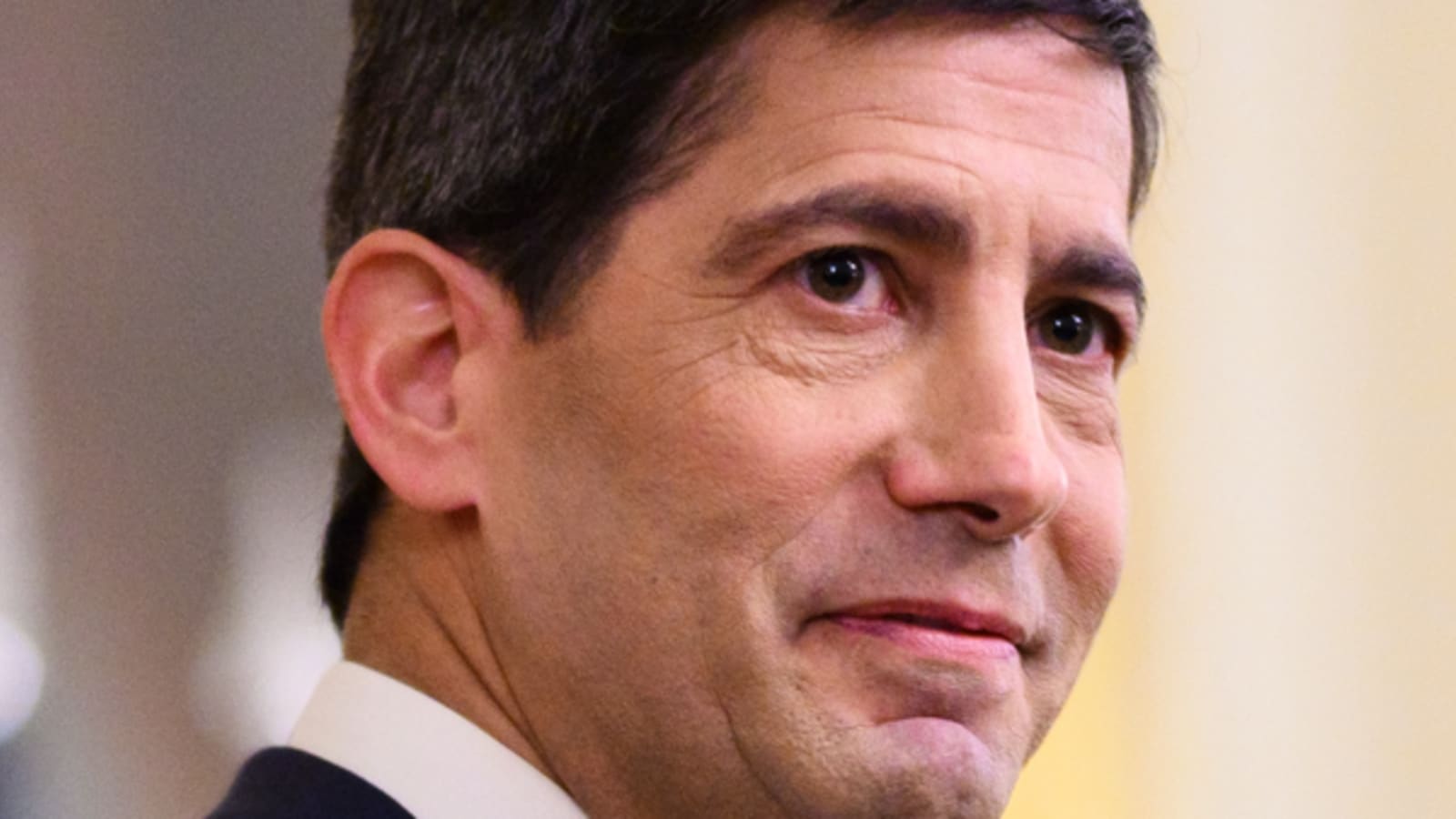
Scott Bessent blames global factors for soaring US bond yields
The Treasury Secretary downplayed domestic fiscal pressures and defended currency interventions during a tense House hearing.

US Treasury Secretary Scott Bessent defended the administration's currency policies and blamed rising borrowing costs on broad "global issues" during a congressional hearing on Tuesday that was temporarily halted by anti-war protesters.
Addressing the House Financial Services Committee, Bessent sought to downplay domestic fiscal anxieties even as the yield on the benchmark 10-year US Treasury note climbed to levels not seen since 2007. When asked by reporters before the hearing what was driving the persistent sell-off in US debt, Bessent pointed vaguely to international pressures, offering no further explanation or specific details about the underlying causes.
The hearing, which was officially convened to discuss reforms to international financial institutions including the International Monetary Fund and the World Bank, quickly shifted to more immediate market and geopolitical pressures. It had barely begun when several demonstrators stood up in succession to protest against US sanctions on Iran and foreign wars, forcing Bessent to pause his opening statement before security guards escorted them from the room.
Once the session resumed, Bessent faced scrutiny over his recent currency and bond market strategies, which have drawn sharp criticism from some economists who argue that his rhetoric and interventions have exacerbated market instability. He defended the administration’s actions, describing a recent US intervention to stabilise the Japanese yen as "nominal" and reiterating his support for policies that bolster American exports.
Critics, however, argue that the administration's fiscal policies and Bessent's own public commentary are contributing to the volatility in the bond market, rather than external global forces. Economists have increasingly questioned the Treasury's approach, suggesting that attempts to deflect blame onto international markets do little to reassure anxious investors.
The Treasury Secretary also used the hearing to outline the administration's diplomatic strategy regarding Iran's financial networks. He told lawmakers that US officials have held private discussions with Beijing regarding China's ongoing financial links to Tehran, which have helped sustain the Iranian economy despite punitive US financial measures. Bessent added that President Donald Trump is scheduled to press Chinese President Xi Jinping on the matter directly during a bilateral summit later this month, marking a significant effort to close loopholes in its sanctions regime.
The committee’s members pressed Bessent on how the Treasury plans to manage the rising cost of US debt, which threatens to increase the federal deficit and raise borrowing costs for consumers and businesses alike. While Bessent remained steadfast in attributing the shift to global dynamics, the exchange highlighted growing unease on Capitol Hill over the administration's economic management.
Key numbers
- Highest level since 2007
- Nominal