
Tamil Nadu slashes ATF VAT to boost regional air connectivity and state economy
The state government has lowered tax on jet fuel at Chennai to 16% and non-metro airports to 1%, drawing praise from the Centre and major airlines.
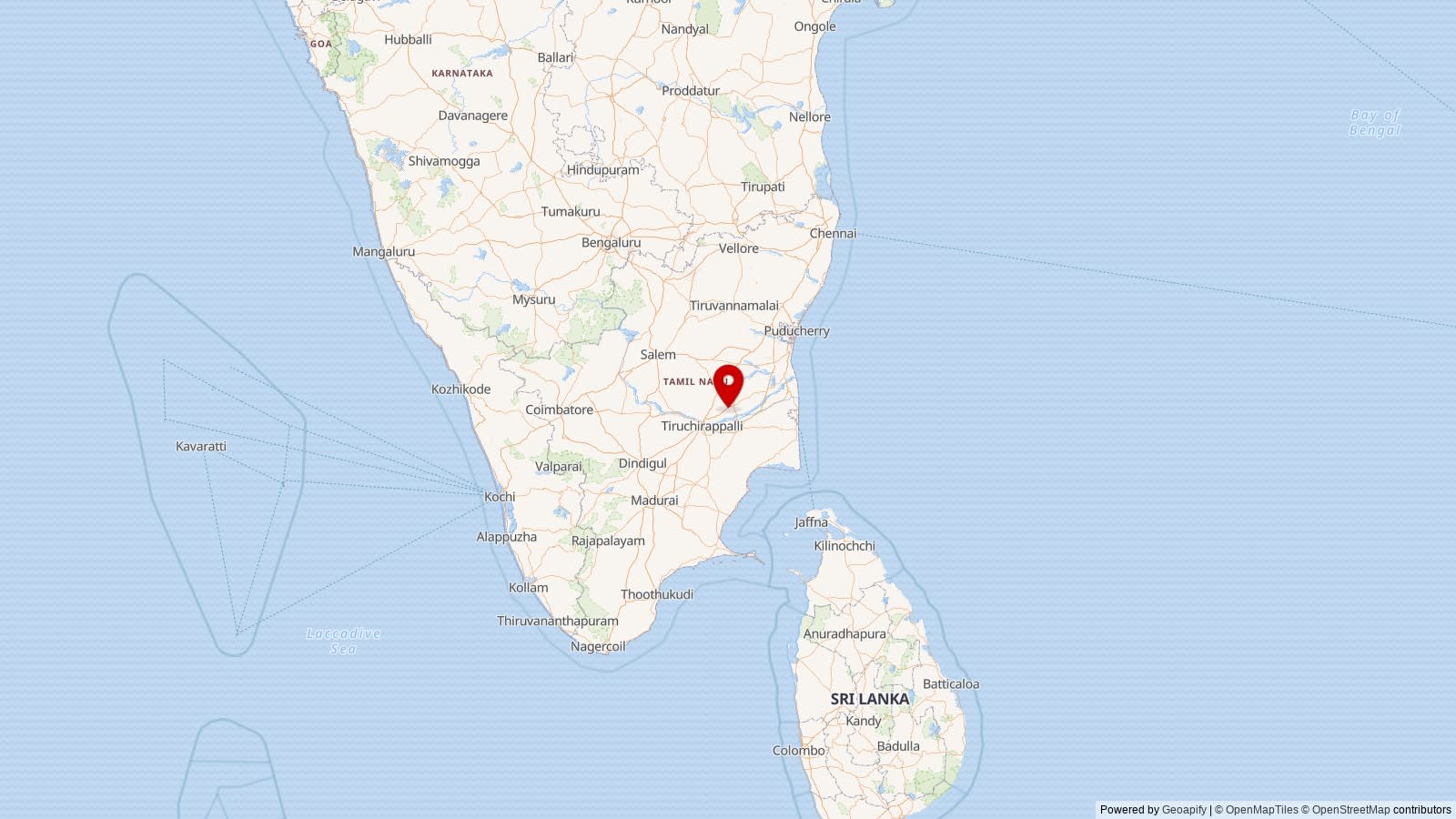
Major tax relief for aviation fuel in Tamil Nadu
Tamil Nadu has reduced the Value Added Tax (VAT) on aviation turbine fuel across its airports, a decision welcomed by the Centre and domestic airlines as a strategic push for regional air connectivity and economic expansion.
Under the revised tax structure, the state government cut VAT on jet fuel at Chennai airport from 29 per cent to 16 per cent. For all other airports in the state, the rate has been slashed to just 1 per cent.
Union Civil Aviation Minister Ram Mohan Naidu commended the move, highlighting that Centre-state synergy remains vital to expanding aviation infrastructure and making air travel affordable for passengers nationwide. Writing on social media platform X, Naidu thanked Tamil Nadu Chief Minister C. Joseph Vijay for the initiative and noted that making travel accessible requires continuous collaboration.
How the new jet fuel tax rates compare
Because aviation turbine fuel remains outside the Goods and Services Tax framework, state-level VAT accounts for a substantial share of an airline's fuel bill. The lower rates significantly improve the commercial viability of flight routes across the region.
| Airport / State | Old VAT rate | New VAT rate |
|---|---|---|
| Chennai Airport | 29% | 16% |
| Other Tamil Nadu Airports | 29% | 1% |
| Goa Airports | Not disclosed | 7% |
The tax reduction in Tamil Nadu follows a similar decision by Goa, where Chief Minister Pramod Sawant's administration reduced VAT on jet fuel to 7 per cent, effective from 24 October.
Major domestic carriers, including IndiGo and Air India, backed both state decisions. Airlines stated that lower fuel costs directly support increased flight frequencies, strengthen regional air networks, and provide a direct boost to tourism and commerce.
Boosting regional connectivity and air travel
Aviation turbine fuel represents a primary component of operational expenses for domestic airlines. By lowering tax overheads outside major metropolitan hubs, secondary airports in smaller cities stand to gain through expanded flight schedules and new direct routes.
Civil aviation officials emphasize that aligning state tax policies with national infrastructure priorities accelerates the growth of India's aviation sector. Easing operational costs encourages carriers to expand fleet capacity, support local tourism, and unlock economic opportunities across tier-two and tier-three urban centers.
Key numbers
| What | Figure | Source |
|---|---|---|
| Chennai airport ATF VAT rate | 16% | Tamil Nadu Government |
| Tamil Nadu non-metro airport ATF VAT rate | 1% | Tamil Nadu Government |
| Goa ATF VAT rate | 7% | Goa Government notification |
In this story
| Name | Role in the story |
|---|---|
| Ram Mohan Naidu | Union Civil Aviation Minister who welcomed the tax cuts |
| C Joseph Vijay | Chief Minister of Tamil Nadu who implemented the tax cut |
| Tamil Nadu | State that reduced VAT on aviation fuel |
| Ministry of Civil Aviation | Central ministry driving regional air connectivity |


