How are crowd control and structural safety managed in puja pandals?
Temporary festival structures in India require multi-agency clearances for structural integrity, fire safety, and crowd control, though peak overcrowding tests enforcement limits.
Temporary puja pandals in India are governed by local civic bodies, state fire departments, and municipal police forces that require structural safety certificates, electrical audits, and designated egress routes before public entry is allowed. Structural engineers must inspect bamboo, timber, and cloth framework to certify load‑bearing capacity, while police departments enforce one‑way pedestrian circuits and crowd‑management quotas. However, enforcement often bends under severe overcrowding during peak festival days, leading to structural failures and stampedes when crowd densities exceed safe operational limits. Ensuring safety relies on strict adherence to capacity limits, continuous monitoring by CCTV, and rapid response deployment by disaster relief personnel.
- 17 dead and 25 injured reported
- Deccan Herald and local media reports, October 2026
- 28 of 60 suspended eateries reopened
- Kolkata Municipal Corporation, October 2026
- Rs 2 lakh for deceased, Rs 50,000 for injured
- Prime Minister's Office, October 2026
- Over 60 food stalls inspected in September
- Kolkata Municipal Corporation, September 2026
- Decorative paint removed after skidding reports
- Kolkata Metropolitan Development Authority, October 2026
- 19 dead (up from 17)
- The Hindu, 18 October 2026
- 14 detained (including organisers and security staff)
- India Today, 18 October 2026
- Section 163 of BNSS bans gatherings in affected area (18–20 Oct 2026)
- The Daily Star, 18 October 2026
What's happening now
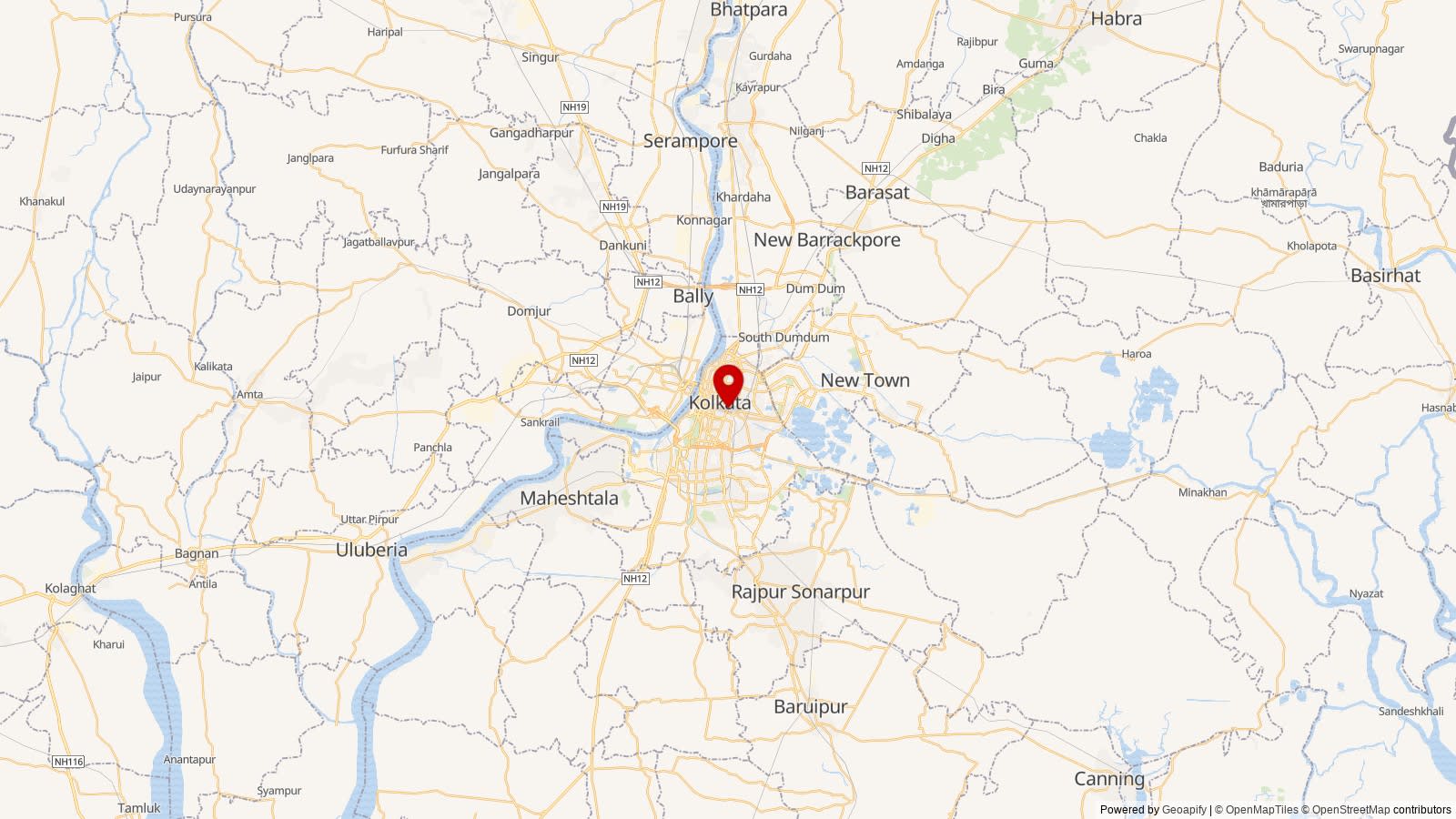
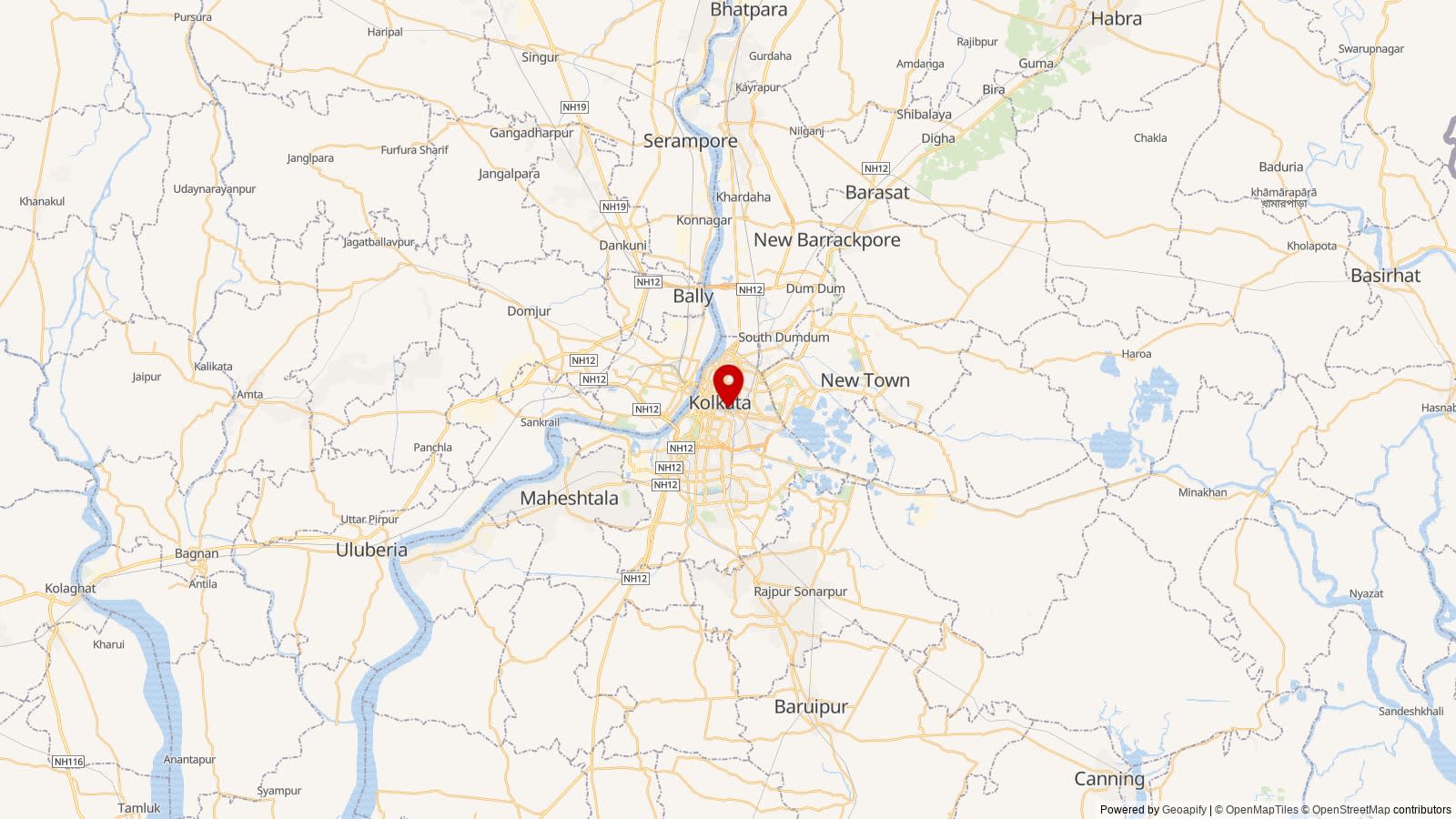
As of 18 October 2026 – A crowd crush at the Chorbagan Durga Puja pandal in north Kolkata left 19 people dead and 25 injured, according to the Kolkata Police list. The death toll rose from earlier reports of 17 as two victims later succumbed to injuries. West Bengal Chief Minister Suvendu Adhikari announced a compensation of ₹25 lakh and a Group D government job for each deceased family, while Prime Minister Narendra Modi confirmed the central ex‑gratia of ₹2 lakh for the dead and ₹50,000 for the injured.
Kolkata Police have detained 14 people – organisers, private security guards and on‑duty staff – for questioning and have invoked Section 163 of the Bharatiya Nagarik Suraksha Sanhita to impose a three‑day prohibitory order (18‑20 Oct 2026) banning public gatherings in the affected precinct. A Special Investigation Team is analysing CCTV footage and conducting forensic examinations to determine the exact cause of the crush.
The incident has triggered a broader safety audit of puja pandals across West Bengal. Municipal authorities are reviewing structural certificates, electrical clearances and crowd‑control plans, while the state government has ordered wider safety checks at all temporary venues for the remainder of the Durga Puja season.
The compensation scheme and the prohibitory order are being communicated through helpline numbers set up by the Kolkata Police (8003455678, 03322141310) to assist victims and their families.
How temporary pandal safety is evaluated and managed
Structural design and engineering certification
Organisers engage licensed civil engineers to submit structural stability plans for temporary bamboo and steel frames. These assessments calculate maximum load capacities, wind resistance, and soil anchorage before construction begins.
Multi-agency inspections and NOC issuance
Local police, state fire services, and municipal civic bodies inspect the site to verify exit widths, electrical grounding, and fire-retardant fabric coatings. A No Objection Certificate is issued only after all three authorities verify compliance.
Crowd routing and entry-exit management
Police departments map out one-way pedestrian circuits around the pavilion to prevent opposing crowd flows. Barricades, holding areas, and emergency egress lanes are erected to regulate entry rates.
Real-time monitoring and density control
CCTV networks and police towers monitor crowd density within the structure and along queue routes. When visitor density exceeds safe thresholds, access points are temporarily paused.
Emergency intervention and structural response
If structural swaying or overcrowding occurs, quick response teams and disaster management personnel deploy to disperse queues and evacuate visitors through reserved emergency gates.
Who it affects
Durga Puja in West Bengal involves tens of thousands of temporary structures, attracting millions of visitors daily across major urban hubs like Kolkata, Howrah, and Siliguri. According to Kolkata Police estimates, major neighbourhood pandals routinely receive over 100,000 visitors per day during peak festival evenings, creating intense physical pressure on temporary bamboo, timber, and cloth structures.
Beyond visitors, safety regulations directly impact thousands of local puja committees, event organisers, artisans, and micro-entrepreneurs. Small commercial establishments, including over 60 eateries monitored by the Kolkata Municipal Corporation ahead of the festival, depend heavily on foot traffic generated by pandal circuits. Ensuring structural safety and preventing crowd crushes is vital to safeguarding public lives while protecting the local economy.
What's being done, and is it working
Institution
Kolkata Municipal Corporation and KMDA
Enforcing pre-festival structural, road safety, and food hygiene inspections across festival zones.
Institution
Kolkata Police
Deploying one-way pedestrian routing, cyber security awareness, and crowd management forces near major pandals.
Community
Puja Organising Committees
Designing grand temporary pavilions and hiring security personnel to direct visitor queues.
Institution
Prime Minister's Office
Providing financial ex-gratia assistance to victims and relatives affected by festival stampedes.
What you can do
Check designated exit routes and emergency gates immediately upon entering any temporary pandal structure.
Avoid entering overcrowded queue lines or enclosed pavilion sections if movement comes to a standstill.
Follow one-way pedestrian directions marked by local police and refrain from moving against the crowd flow.
Report structural defects, such as sagging bamboo supports or exposed wiring, to local police or organisers.
Keep emergency contact numbers for the local police and fire services saved on your phone during festival visits.
What we still don't know
- Whether municipal bodies will introduce mandatory automated head-counting sensors at temporary festival entrances.
- How local authorities will balance ambitious artistic designs with strict maximum structural weight limits.
- What legal liabilities puja committees face when structural failures occur on private or public land.
Questions readers ask
Who is legally responsible for structural safety at a puja pandal?
Primary responsibility rests with the puja organising committee, which must obtain structural stability certificates from licensed civil engineers and NOCs from local police, civic bodies, and fire services.
How do police manage crowd surge at major pandal sites?
Police enforce one-way pedestrian circuits, establish barricaded holding pens, and use CCTV monitoring to regulate queue flow into temporary structures.
What safety features must a temporary pandal contain?
Pandals must have multiple clearly marked emergency exits, fire-retardant treated fabric, proper electrical earthing, and clear access corridors for emergency vehicles.
Sources
Updates
Updated on 18 October 2026 to reflect the revised death toll of 19, new police detentions and the imposition of a prohibitory order under BNSS Section 163. Read the story