Arunachal Pradesh Siang dam protests turn violent as mob targets public property in Pasighat
Prohibitory orders have been enforced in parts of East Siang following arson at government facilities and attacks on political leaders' homes.
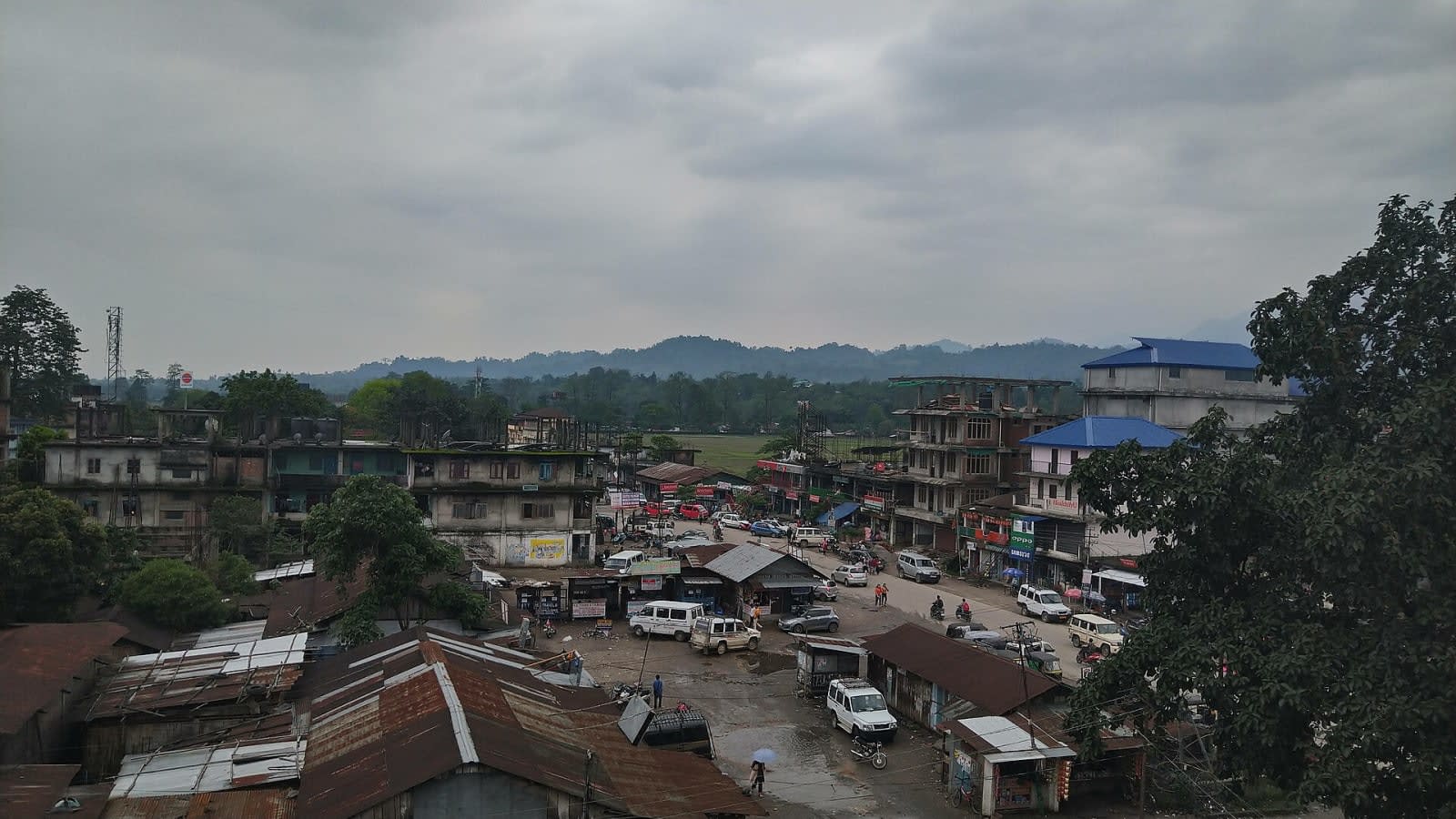
Security forces have restored order in East Siang district after violent demonstrations broke out in Pasighat on Friday night, targeting government infrastructure and private residences following protests against the proposed Siang Upper Multipurpose Project.
The unrest began after a 12-hour bandh called by local associations ended. Agitators torched an office belonging to the National Hydroelectric Power Corporation, set fire to vehicles at the Pasighat police station, and vandalised the residences of state BJP president Kaling Moyong and legislators Ninong Ering and Oni Panyang.
Over 40 police personnel were injured during stone-pelting as security forces worked to contain the crowd, with one Deputy Superintendent of Police evacuated to Dibrugarh for medical treatment. East Siang Deputy Commissioner Jayanti Pertin subsequently issued prohibitory orders under Section 163 of the Bharatiya Nagarik Suraksha Sanhita across Pasighat, Mebo, and Ruksin to maintain law and order.
Strategic importance of the Siang project
The 11,200 MW Siang Upper Multipurpose Project is a flagship infrastructure initiative intended to secure India's energy future and regulate water flows in the Northeast. Envisaged as a crucial strategic safeguard, the dam provides essential flood management capability and counterbalances China's planned 60,000 MW hydropower development upstream on the Yarlung Tsangpo.
| Project Parameter | Details |
|---|---|
| Proposed Capacity | 11,200 MW |
| Primary Utility | Power generation and downstream flow regulation |
| Primary Developer | National Hydroelectric Power Corporation (NHPC) |
| Admin Area Affected | East Siang, Siang, and Upper Siang districts |
| Current Status | Pre-feasibility study and technical assessment |
Government urges peaceful dialogue
Chief Minister Pema Khandu strongly condemned the destruction of public property, reiterating that democratic expression must remain within legal boundaries. He reaffirmed that the state government maintains an open-door policy for all stakeholders to address their queries regarding the project.
"Protesting is a democratic right, but should be done within limits and without causing harm or damage to anyone or properties," Khandu said, inviting representatives to meet in Itanagar or Pasighat.
The state government stressed that current field activities relate solely to a pre-feasibility report to evaluate geological and technical parameters, not final construction approval, assuring citizens that public consensus and local benefits remain central to development plans.
Key numbers
| What | Figure | Source |
|---|---|---|
| Proposed project capacity | 11,200 MW | Arunachal Pradesh Chief Minister's Office |
| Injured police personnel | Over 40 | Pasighat IGP (central range) Hibu Tamang |
| Chinese upstream capacity planned | 60,000 MW | Government of India assessments |
In this story
| Name | Role in the story |
|---|---|
| NHPC | Public sector enterprise developing the hydropower project whose local office was damaged. |
| Siang Upper Multipurpose Project | Strategic 11,200 MW hydropower and flow-regulation project proposed on the Siang river. |
| Pasighat | Town in East Siang district where the violent incidents took place. |
| Pema Khandu | Chief Minister of Arunachal Pradesh who condemned the violence and invited protesters for dialogue. |