Houthi offensive on Red Sea coast pushes Saudi Arabia into a double choke point crisis
With alternative oil routes under attack and US support limited, Riyadh is scrambling to build a regional coalition.

Five people are dead after Saudi Arabia and Yemen’s Houthi rebels traded fresh military strikes, marking a dangerous escalation that has shattered a long-standing truce and put the world’s energy corridors in immediate jeopardy.
Over the last fortnight, Houthi fighters have executed a lightning offensive along Yemen’s Red Sea coast. Since 3 September, the rebels have swept through key maritime positions, including the strategic port of Mokha. This advance gives the group direct leverage over the Bab el-Mandeb strait, a narrow choke point crucial to global shipping.
Why is Saudi oil under threat?
The ground offensive has been paired with direct hits on Saudi energy assets. Last week, a drone strike blamed on Iran-backed Iraqi militias damaged a pumping station on Saudi Arabia’s East-West pipeline, forcing a temporary closure. The pipeline is Riyadh's primary workaround to bypass the blockaded Strait of Hormuz, carrying some seven million barrels of oil daily across the peninsula to the Red Sea port of Yanbu.
With both routes now compromised, the kingdom faces a catastrophic 'double choke point'. Saudi tankers have already begun avoiding the Bab el-Mandeb strait, opting instead for the costly, weeks-long detour around Africa.
The sudden escalation has stalled delicate regional diplomacy. Omani-brokered talks between Gulf nations and Iran, scheduled for 13 September in Muscat to discuss reopening the Strait of Hormuz, were abruptly called off.
What triggered the flare-up?
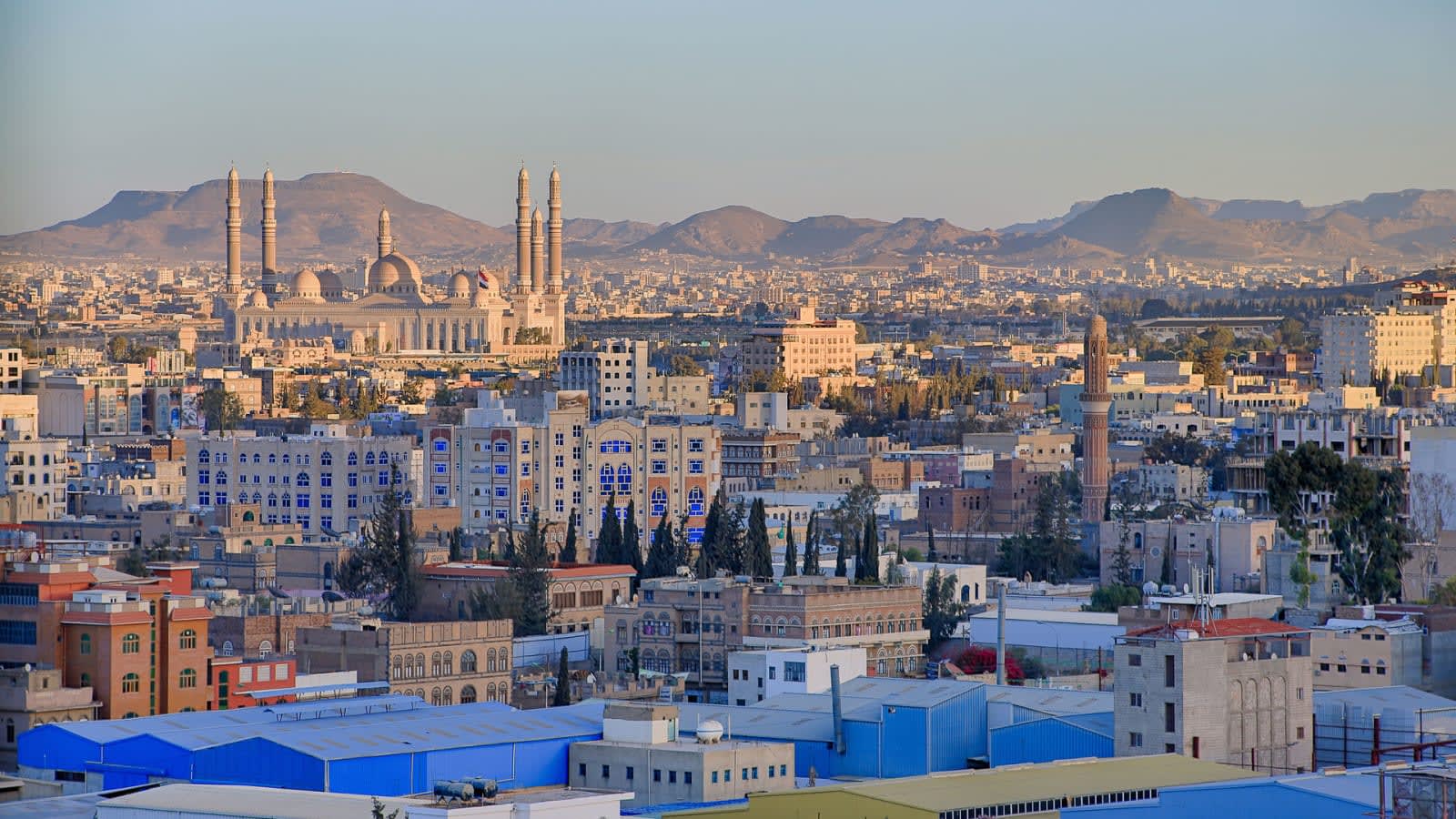
Riyadh’s current crisis has been building since July. Tensions flared when Saudi forces bombed the airport in the Houthi-controlled capital of Sanaa to prevent an Iranian plane carrying a Houthi delegation from landing. The plane landed anyway, and the Houthis have since ramped up their rhetoric and military actions, which included launching a drone toward Mecca.
What are Saudi Arabia's options?
Saudi Arabia has few good options. Its last military campaign in Yemen, launched in 2015, dragged the kingdom into an unwinnable war. The Houthis are now far better equipped with advanced drone technology than they were a decade ago.
Riyadh cannot rely on Washington, either. The US has refused to intervene directly, citing low stockpiles of missile and drone interceptors due to its own broader conflict with Iran.
Left to fend for himself, Saudi Crown Prince Mohammed bin Salman is scrambling to assemble a regional coalition. He visited Egypt on 15 September to drum up naval support, and is trying to activate the Mecca Joint Defence Agreement with Turkey and Pakistan. Whether these regional allies will be willing to deploy their own forces to defend Saudi borders remains to be seen.
Key numbers
- 5 killed
- 3 September 2026
- 7 million barrels per day
- 13 September 2026
- 15 September 2026