Pakistan pledges physical military backing to Saudi Arabia as Riyadh air raid alerts spark panic
Islamabad promises unconditional support as Houthi forces push oil prices over $100 and escalate attacks deep inside Saudi territory.

Pakistan has promised to defend Saudi Arabia "physically" and to "any extent" required, as a major escalation in Houthi drone and missile strikes triggered air raid sirens in Riyadh for the first time in months.
Escalation in Riyadh
Late on Friday and early Saturday, residents in the Saudi capital heard explosions and received emergency alerts from civil defence officials before eventually being given the all-clear. The late-night panic followed a series of Houthi strikes on Saudi oil infrastructure and claims by Saudi officials that they had intercepted a Houthi drone heading towards the holy city of Mecca. The Houthis have denied targeting any religious sites.
The threat has prompted a fierce rhetorical response from Islamabad. In an interview with Arab News, Pakistan Army spokesperson Lieutenant-General Ahmed Sharif Chaudhry said the country's commitment to Saudi security is "unconditional". He emphasised that Pakistani troops are already stationed in the kingdom to protect the holy sites of Mecca and Medina.
"We will go to any extent... as asked and required by our Saudi brothers," Lt. Gen. Chaudhry said, specifically stressing the word "physically".
The Makkah pact put to the test
The escalation is testing a web of newly signed military alliances. Last month, Saudi Arabia, Pakistan, and Turkey signed the Makkah Joint Defence Agreement, a pact stating that an attack on any one of the three nations is an attack on all. That agreement built on a bilateral defence treaty signed between Riyadh and Islamabad in September 2025, under which Pakistan deployed fighter jets to a Saudi airbase in April.
Direct intervention unlikely
Yet behind the public declarations of solidarity, neither Islamabad nor Ankara seems eager to enter a direct shooting war in Yemen.
Saudi Arabia has not yet asked either country to send combat forces. Turkey's parliament has not even ratified the Makkah treaty, while Pakistan’s Defence Minister, Khawaja Asif, has declined to give details of any active military plans. Instead, Pakistan is trying to use diplomatic leverage. On Wednesday, Pakistan’s Army chief, Field Marshal Asim Munir, called Iranian Foreign Minister Abbas Araghchi, urging Tehran—the Houthis' primary backer—to help calm the situation.
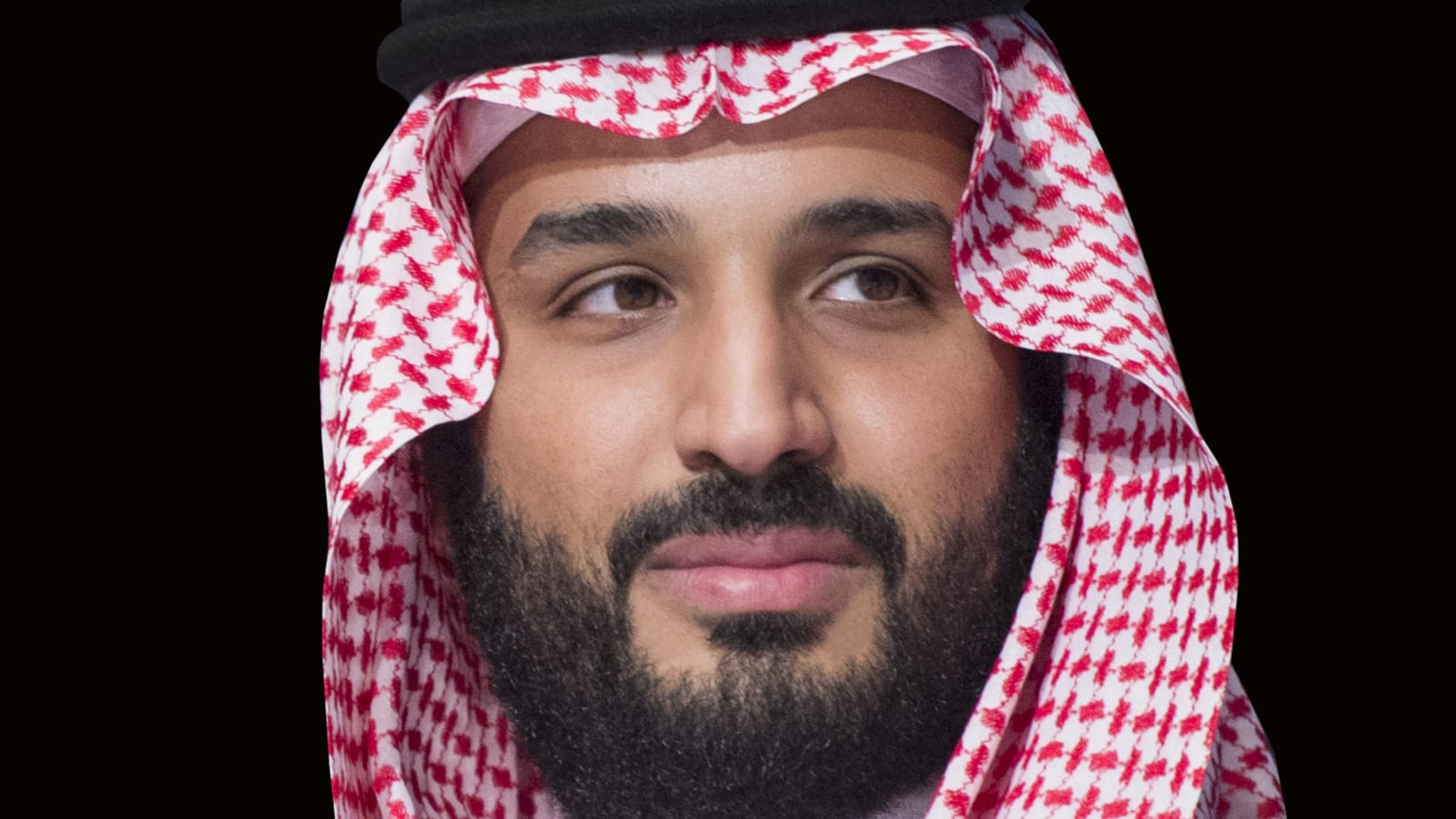
Riyadh is also finding little appetite for intervention in Washington. Saudi Crown Prince Mohammed bin Salman personally asked US President Donald Trump to launch military strikes against the Houthis, according to sources familiar with the request. Trump declined, offering only intelligence and targeting support.
The Houthis, meanwhile, remain defiant. Following some 37 Saudi air strikes on their positions, the group warned they would continue striking deep inside Saudi territory, specifically targeting military airbases and oil facilities.
With the Houthis now controlling much of Yemen's Red Sea coast, including the strategic port of Mocha, the stakes are exceptionally high. The disruption to shipping and threat to Saudi oil flows have already pushed global oil prices past $100 a barrel, threatening fresh economic instability worldwide.
Key numbers
- Over $100
- 7 August 2026
- 17 September 2025
- 37