Saudi Arabia holds off on retaliation after drone attack on key oil pipeline
Riyadh pauses military response at Baghdad's request as Iraq launches an investigation and sacks a regional commander.
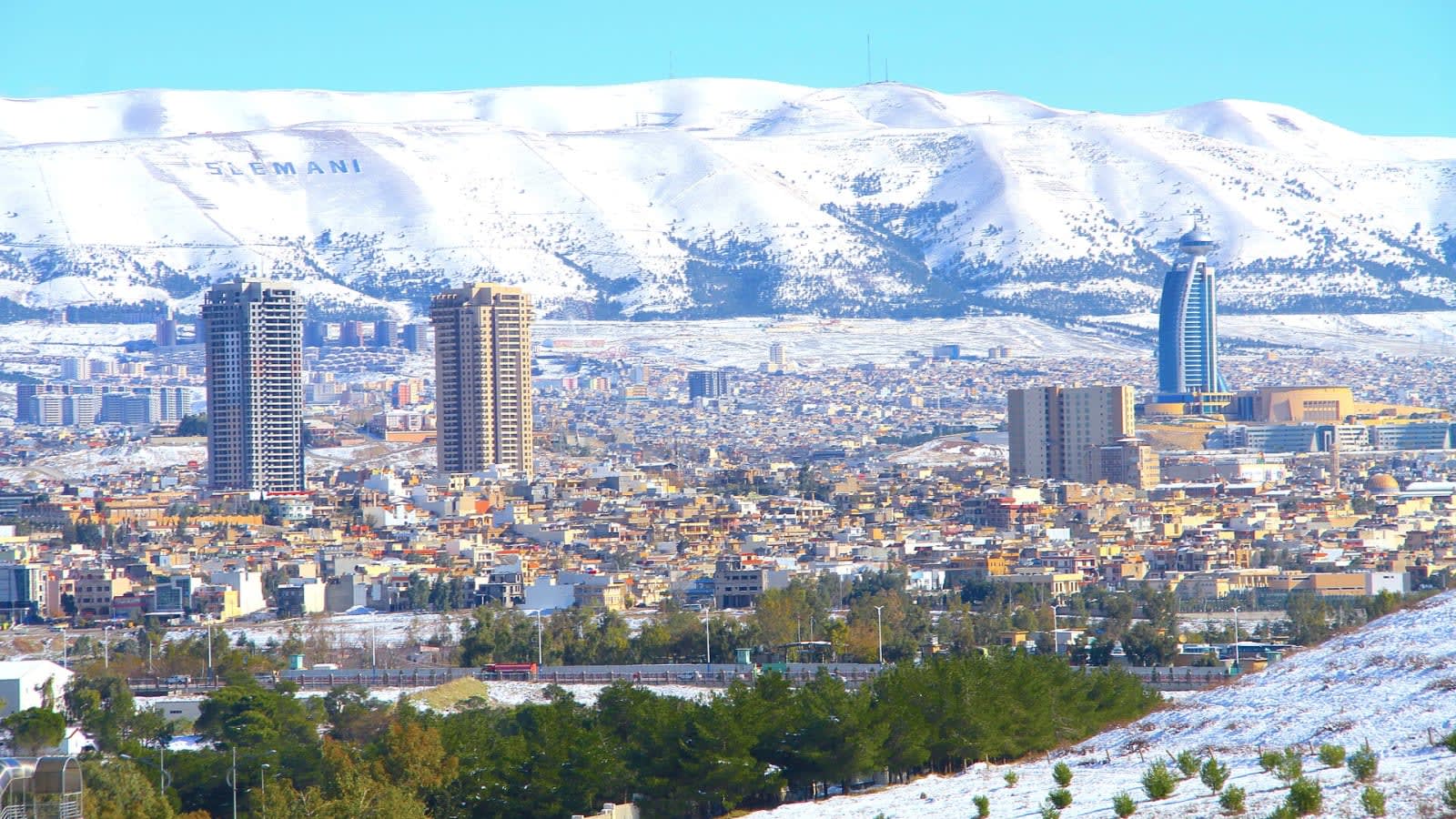
Saudi Arabia has temporarily shut down its critical East-West oil pipeline after a drone attack launched from Iraq struck facilities in the Riyadh and Medina regions, causing injuries and material damage.
The kingdom has agreed to pause any immediate military retaliation following a direct request from Iraqi Prime Minister Ali al-Zaidi, who asked for time to investigate how the strike was launched from Iraqi soil.
Iraqi authorities moved quickly to contain the diplomatic fallout. Early on Saturday, the Iraqi Prime Minister's Office announced that the attack had been traced to a launch site in the southern province of Maysan, which borders Iran. Al-Zaidi dismissed the military commander of the Maysan Operations Command and ordered an investigative council to probe the security failure.
Why the pipeline matters
The East-West pipeline is a vital energy artery for Saudi Arabia, allowing the kingdom to bypass the volatile Strait of Hormuz by pumping crude directly to ports on the Red Sea. According to the International Energy Agency, Saudi Arabia had recently ramped up exports along this route to more than five million barrels per day.
Satellite images captured on Thursday by Copernicus Sentinel showed plumes of thick black smoke rising near Medina along the pipeline route. The Saudi Energy Ministry described the shutdown as a precautionary measure, while the Foreign Ministry confirmed that "several drones originating from Iraq" had targeted the infrastructure.
Baghdad welcomed Riyadh’s decision to hold back. A spokesman for the commander-in-chief of the Iraqi armed forces, Sabah al-Numan, said Iraq appreciated the Saudi response and rejected "any aggression that threatens the Kingdom's security and stability".
Pressure mounts on Baghdad
The incident puts intense pressure on Baghdad to curb the activities of Iran-backed militias operating within its borders. In a move that appeared linked to the investigation, Iraq closed two of its main border crossings with Iran—Shalamcheh and Chazabeh—to all passenger and commercial traffic, according to Iranian state media.
The Iraqi government has set a 30 September deadline for all non-state armed groups to disarm, though the country's most powerful militias have publicly refused to comply. These groups have increasingly coordinated with Yemen's Houthi rebels, who have also escalated their own campaign in the region, recently seizing strategic territory along the Red Sea coast.
Condemning the attack, the Secretary-General of the Gulf Cooperation Council, Jasem Mohamed Albudaiwi, called the drone strikes a "dangerous escalation" and a "flagrant violation of the principles of international law". Albudaiwi urged the Iraqi government to take decisive measures to ensure its territory is not used as a launchpad for future attacks.
The Saudi Foreign Ministry stated that while it is supporting Baghdad's investigation for now, it reserves the right to take all necessary measures to protect its sovereignty and critical national facilities.
Key numbers
- 5 million barrels
- 30 September