Saudi Arabia trades strikes with Houthis as Crown Prince presses Trump for military action
Houthi forces have taken full control of the strategic Bab al-Mandeb shipping lane, prompting urgent appeals from Riyadh for American intervention.
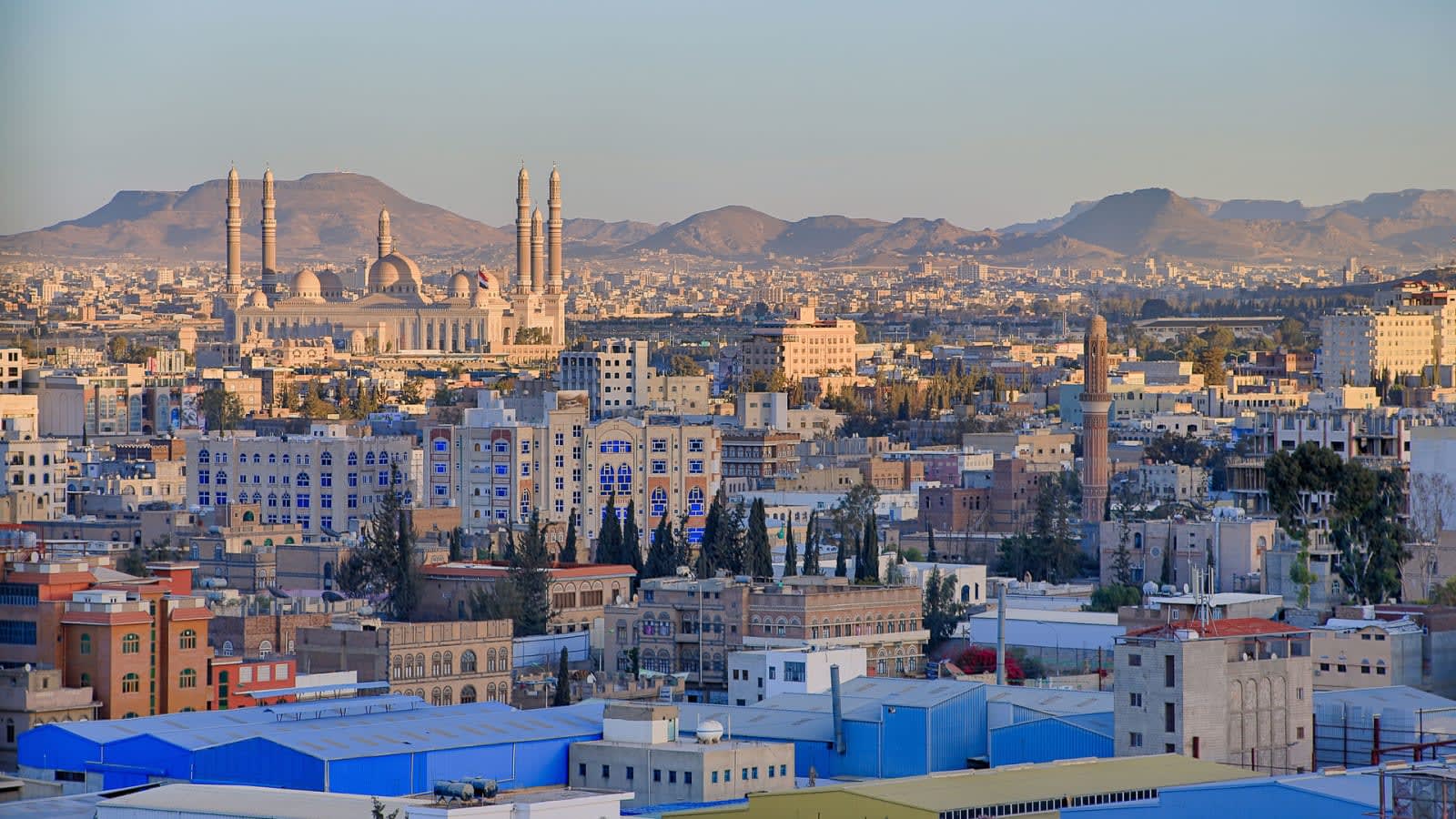
Houthi forces have launched drone and missile attacks on a military base inside Saudi Arabia, capping a week of rapid territorial gains that have handed the rebel group total control over one of the world's most critical shipping choke points.
The strike on the Sharurah military base in southern Saudi Arabia, announced by Houthi military spokesman Yahya Saree, targeted weapons depots and command centres. It follows a swift offensive in which Houthi fighters seized the island of Mayyun and the mainland coastal town of Dhubab, securing their grip on the Bab al-Mandeb Strait.
The rapid escalation has triggered frantic diplomacy. Saudi Crown Prince Mohammed bin Salman has personally pressed US President Donald Trump to launch military strikes against the group, according to sources who spoke to CBS News.
While Trump has so far declined to involve the US military directly, Washington has offered to assist Riyadh with intelligence and targeting support. Speaking to reporters in Dublin on Saturday, Trump confirmed his discussions with the Crown Prince and insisted that "everything's going to work out fine and dandy".
Intriguingly, Trump also claimed that the Houthis had contacted his administration directly to sue for peace with Washington. "The Houthis called us, and they don't want to fight with us," Trump said. "They would much prefer not having us involved."
What is the regional impact?
The fighting has already begun to threaten global energy corridors. Earlier in the week, drone strikes disabled Saudi Arabia’s East-West pipeline. Trump blamed Iran for the attack, while Iraqi authorities acknowledged the drones had been launched from their territory. On Sunday morning, the United Kingdom Maritime Trade Operations reported that an unidentified projectile had struck a commercial vessel transiting the Strait of Hormuz.
The simultaneous threats to the Strait of Hormuz and the Bab al-Mandeb Strait have pushed oil prices to around $100 a barrel.
For Saudi Arabia, the Houthi advances represent a devastating collapse of the relative calm that followed a 2022 UN-brokered truce. Former US Special Envoy for Yemen Timothy Lenderking warned that the Houthis used that pause to rebuild their military strength, describing them as "the most lethal non-state actor in the entire Middle East."
What happens next?
The US now faces a dilemma over how deeply to intervene. Admiral Brad Cooper, the commander of US Central Command, travelled to Saudi Arabia on Friday for emergency coordination talks.
The White House remains reluctant to open a new direct front in Yemen while US forces are already trading active strikes with Iran elsewhere in the region. Earlier in the week, US forces destroyed five Iranian oil tankers after Iranian forces targeted a US Navy vessel. If the US does not step in to stymie the Houthi advance, analysts warn that retreating Yemeni government forces are leaving behind heavy weaponry and munitions that will only make the rebel group harder to dislodge.
Key numbers
- $100
- 7%
- 7 vessels