Peter Max, the psychedelic artist who painted the 1960s, dies at 88
The artist behind the defining posters of the counterculture era brought bold, cosmic optimism to millions of homes.
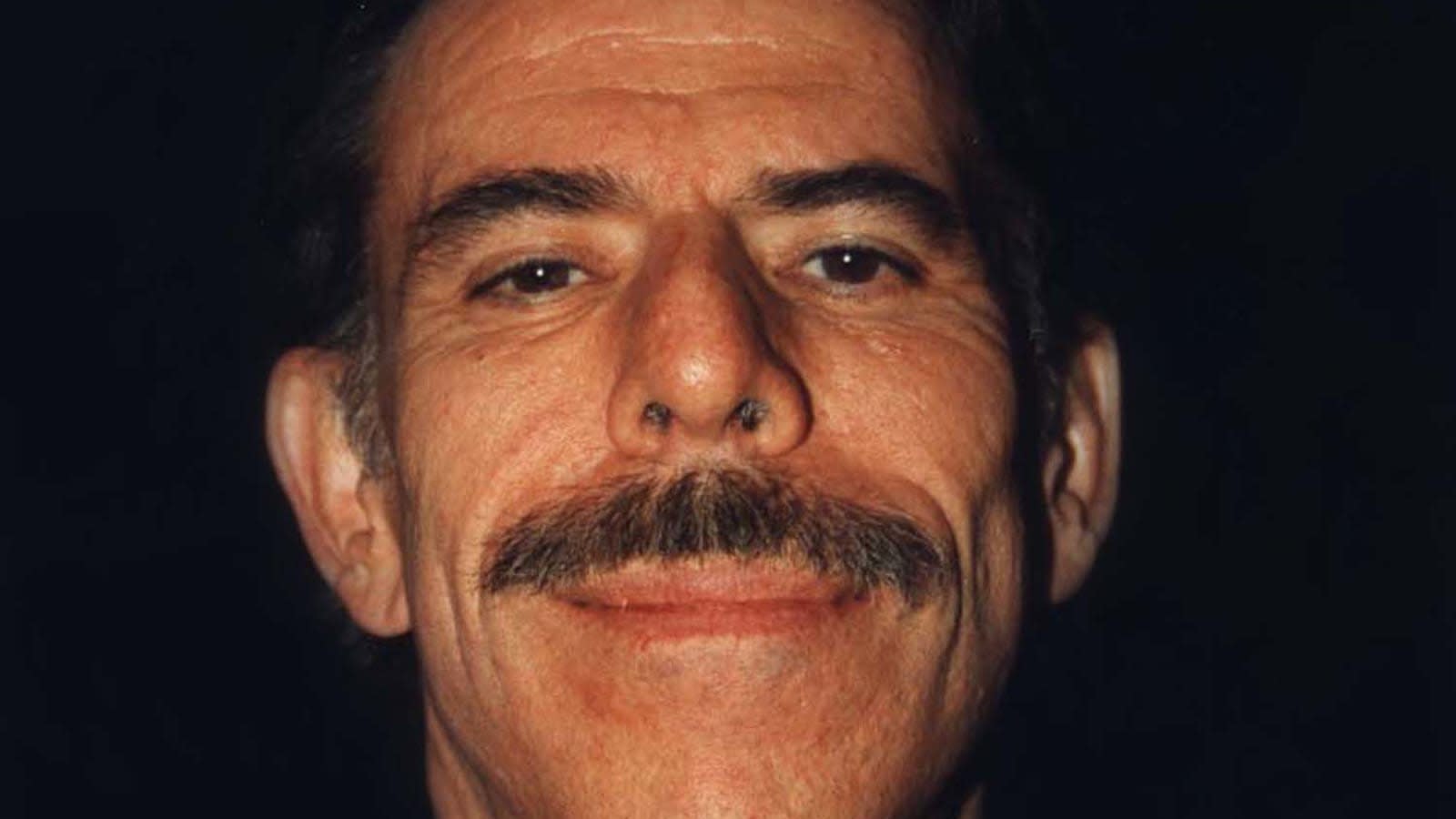
Peter Max, the artist whose vibrant, psychedelic designs defined the visual spirit of the 1960s counterculture, has died at the age of 88.
Max became a household name during the "Summer of Love" era, capturing the decade's collective optimism through his posters of Day-Glo flowers, rainbows, and cosmic stars. His work, which sold by the millions, brought the trippy, avant-garde aesthetic of the hippie movement directly into the mainstream.
His death on Wednesday was confirmed by his family, marking the end of a career that spanned more than half a century and bridged the gap between fine art and mass consumerism.
A global journey to the cosmic style
Born Peter Max Finkelstein in Berlin in 1937, his early life was shaped by flight and exploration. His Jewish family fled Nazi Germany just before the outbreak of the Second World War, embarking on a nomadic journey that took them to Shanghai, Tibet, Israel, and Paris.
These diverse cultural landscapes, particularly the Eastern philosophy he encountered in Israel and Asia, deeply influenced his artistic outlook. By the time his family settled in Brooklyn, New York, in the 1950s, Max was primed to see the world through a highly individualistic, spiritual lens.
He studied at the Art Students League of New York, but soon abandoned traditional realism. Alongside his partners at the Manhattan-based Daly & Max Studio, which he co-founded in 1962, he began experimenting with the bold graphic designs, collage, and intense colour palettes that would soon make him famous.
Defining the counterculture
As the 1960s blossomed, Max hit his stride. His "Cosmic 60s" style—characterised by whimsical, floating figures, bold outlines, and high-contrast, fluorescent colours—perfectly captured the era's interest in Eastern mysticism, space travel, and psychedelic experimentation.
His work became the backdrop of a generation. Posters of smiling sages, winged butterflies, and celestial planets were pinned to the walls of millions of college dorm rooms. He did not just paint canvases; he designed for the masses, plastering his signature style onto clocks, mugs, clothing, and even a line of US postage stamps promoting environmental conservation.
This commercial instinct set him apart from many of his contemporaries. While some critics dismissed his work as overly commercialised, Max embraced his role as a populist artist. He believed art belonged to everyone, not just those who could afford to walk into a gallery.
Later years and legacy
In the decades that followed, Max’s influence persisted. He painted portraits of multiple US presidents, designed the stage for the Woodstock festival in 1999, and was commissioned to paint a giant Boeing 777 for Continental Airlines.
However, his later years were overshadowed by personal and legal difficulties. After being diagnosed with advanced dementia, Max became the subject of a highly publicised, bitter guardianship battle over his health and his multi-million-dollar estate. The dispute raised troubling questions about the exploitation of vulnerable artists, as family members and former associates fought in court over the rights to his lucrative brand and the continued production of artwork under his name.
Despite the controversies of his final years, Max's legacy remains secure as the visual architect of an era of hope, peace, and explosive colour. He is survived by his children, Adam and Libra.
Key numbers
- 88