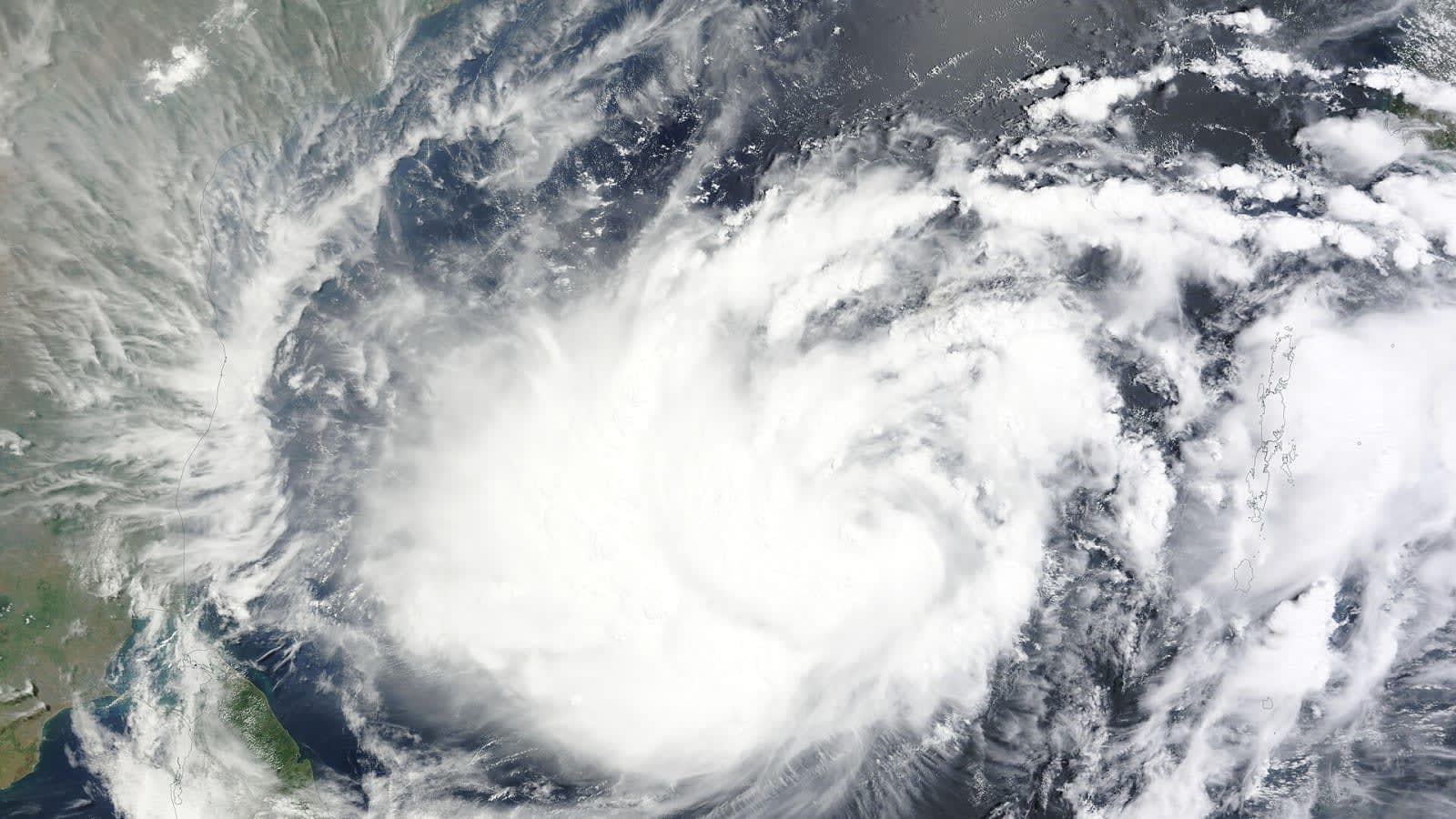
Cyclone Arnab weakens after landfall in Andhra Pradesh as swift response limits casualties
Prompt administrative action and mass evacuations protect coastal communities as emergency teams work to clear debris and restore power.
Landfall and immediate impact
Cyclone Arnab crossed the Andhra Pradesh and Yanam coasts about 20 kilometres east-northeast of Narsapur early on Wednesday morning, bringing high winds and heavy rainfall before weakening over land.
The India Meteorological Department said the landfall process was completed by 8.30 am, with maximum sustained wind speeds reaching 125 km/h to 135 km/h and gusts up to 150 km/h. Officials confirmed three storm-related fatalities in Andhra Pradesh. A man died after a tree fell on him in Bhimavaram in West Godavari district, while two people were electrocuted in separate incidents in Visakhapatnam and Anakapalli districts.
Administrative readiness and swift evacuations
Proactive administrative coordination and advance warnings minimized casualties across the coastal belt. Disaster management authorities evacuated more than 87,000 residents from vulnerable low-lying areas across affected states into temporary shelters.
| State or Territory | People Evacuated | Casualties Reported | Shelters Identified | NDRF Teams Deployed |
|---|---|---|---|---|
| Andhra Pradesh | 57,000 | 3 | 609 schools | 12 |
| Odisha | Over 30,000 | 0 | Over 2,000 | 9 |
| Puducherry (Yanam) | 38 | 0 | 19 | Not disclosed |
Andhra Pradesh Chief Minister N. Chandrababu Naidu led a high-level teleconference with approximately 32,000 field officials and staff on Wednesday morning, directing teams to clear fallen trees within two hours and restore electricity as soon as wind speeds moderated. Chief Minister Naidu also wrote to Union Home Minister Amit Shah to request a central assessment team, noting preliminary estimates that paddy across 70,900 hectares and horticulture crops across 10,450 hectares had been affected by heavy waterlogging.
Infrastructure restoration and public safety
National Disaster Response Force Inspector General Narendra Singh Bundela confirmed that 39 NDRF teams were deployed across Andhra Pradesh, Odisha, Puducherry, Telangana, Chhattisgarh, Jharkhand, and the Andaman and Nicobar Islands, including four extra teams dispatched to Andhra Pradesh on Tuesday night.
Restoration operations commenced immediately after the storm passed. Visakhapatnam District Collector Abhishikth Kishore reported that around 80 per cent of electricity and water supply had been restored by Wednesday afternoon, with 150 specialized teams clearing fallen trees and replacing damaged utility poles. Railway Minister Ashwini Vaishnaw stated that trees fell on tracks at 10 locations across the rail network, with all sites cleared promptly by maintenance personnel.
Transport services faced temporary precautionary pauses. Aviation officials reported 38 flight cancellations at Visakhapatnam airport and 17 at Vijayawada airport, while the Union Ministry of Civil Aviation advised passengers to verify flight status as weather conditions gradually normalized.
Key numbers
| What | Figure | Source |
|---|---|---|
| Total evacuations across states | Over 87,000 | National Disaster Response Force and state officials |
| Evacuations in Andhra Pradesh | 57,000 | National Disaster Response Force |
| Evacuations in Odisha | Over 30,000 | Odisha Disaster Management Minister Suresh Pujari |
| Confirmed fatalities in Andhra Pradesh | 3 | National Disaster Response Force Inspector General Narendra Singh Bundela |
| Total crop damage area estimated in Andhra Pradesh | Over 81,000 hectares | Andhra Pradesh Chief Minister N. Chandrababu Naidu |
In this story
| Name | Role in the story |
|---|---|
| Cyclone Arnab | The severe cyclonic storm that made landfall on the Andhra Pradesh coast. |
| Andhra Pradesh | The primary coastal state affected by the landfall of Cyclone Arnab. |