
CBSE and NCERT launch compulsory AI learning across Indian schools
A new 20-hour computational thinking module developed with IIT Madras and IIT Jodhpur aims to make digital literacy standard for secondary students.
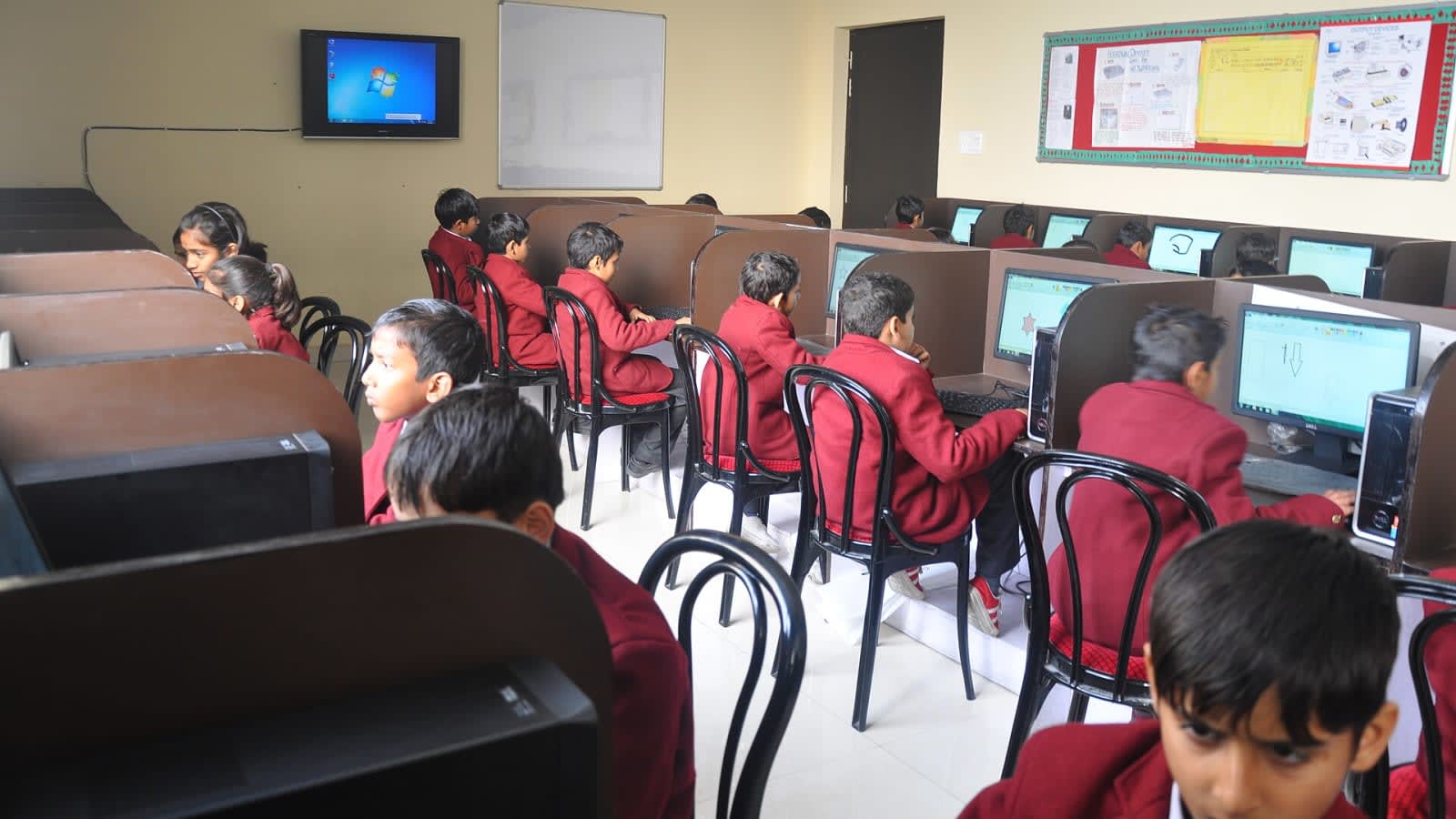
Artificial intelligence is becoming a core component of formal school education in India, with national education bodies introducing dedicated training modules to prepare students for a technology-driven economy.
The National Council of Educational Research and Training (NCERT) has created a 20-hour introductory module on computational thinking and artificial intelligence for students in Classes IX through XII. Developed alongside technical expertise from IIT Madras and IIT Jodhpur, the curriculum equips children with practical digital skills, including how to verify information, spot deepfakes, and identify errors in automated chatbot responses.
Under a circular issued by the Central Board of Secondary Education (CBSE), the framework becomes compulsory for Class IX students starting in the 2026–27 academic session as part of internal assessments, while Class X continues under its current structure. Dedicated textbooks are also being written for students who choose to take up advanced artificial intelligence courses as electives.
A senior official at the Ministry of Education said the initiative reflects the central role AI tools now play across research, writing, and career planning, making early training essential for accurate and safe technology use.
How AI integration compares across education levels
| Level | Target group | Key initiative | Institutional leads |
|---|---|---|---|
| Secondary School | Classes IX–XII | 20-hour computational thinking module | NCERT, CBSE, IIT Madras, IIT Jodhpur |
| Senior Secondary | Classes IX–XII electives | Advanced AI textbooks | NCERT, CBSE |
| Higher Education | University students & faculty | AI-native curriculum & faculty boot camps | SRM University-A.P., Goa Institute of Management |
Universities across the country are moving simultaneously to realign higher education with these technological shifts. At a recent management symposium hosted by SRM University-A.P., academic leaders outlined measures to reshape degree courses, department workflows, and research infrastructure.
Ashay Kadam, Dean of the Paari School of Business at SRM University-A.P., said the institution is embedding AI tools directly into its curriculum and departmental operations while running specialised faculty development programmes to help teachers bring technology into research and lecture halls.
Delivering the keynote address at the event, SRM Group advisor Soumitra Dutta emphasised that developing nations must build robust domestic computing capabilities and research networks to secure a strong position in global innovation. Speakers at the conference, including researchers from the Goa Institute of Management and Weber State University, noted that while automated tools offer substantial analytical power, academic programmes must continue to focus on independent critical thinking to ensure students manage complex systems effectively.
Key numbers
| What | Figure | Source |
|---|---|---|
| NCERT AI module duration | 20 hours | NCERT and CBSE circular |
| Implementation academic session | 2026-27 | CBSE circular |
| Target school grades | Classes IX to XII | NCERT |
In this story
| Name | Role in the story |
|---|---|
| CBSE | School board making AI modules compulsory for internal assessment. |
| SRM University-A.P. | Hosted a higher education symposium on integrating AI into management and research. |
| NCERT | Educational council that developed the 20-hour AI and computational thinking module. |


