England bans deep‑fried food in schools as new 2027 nutrition rules take effect
From 2027, England’s school meals will ban deep‑fried items, cut dessert frequency and tighten breakfast club rules, aiming to tackle childhood obesity and boost nutrition.

What the new rules say
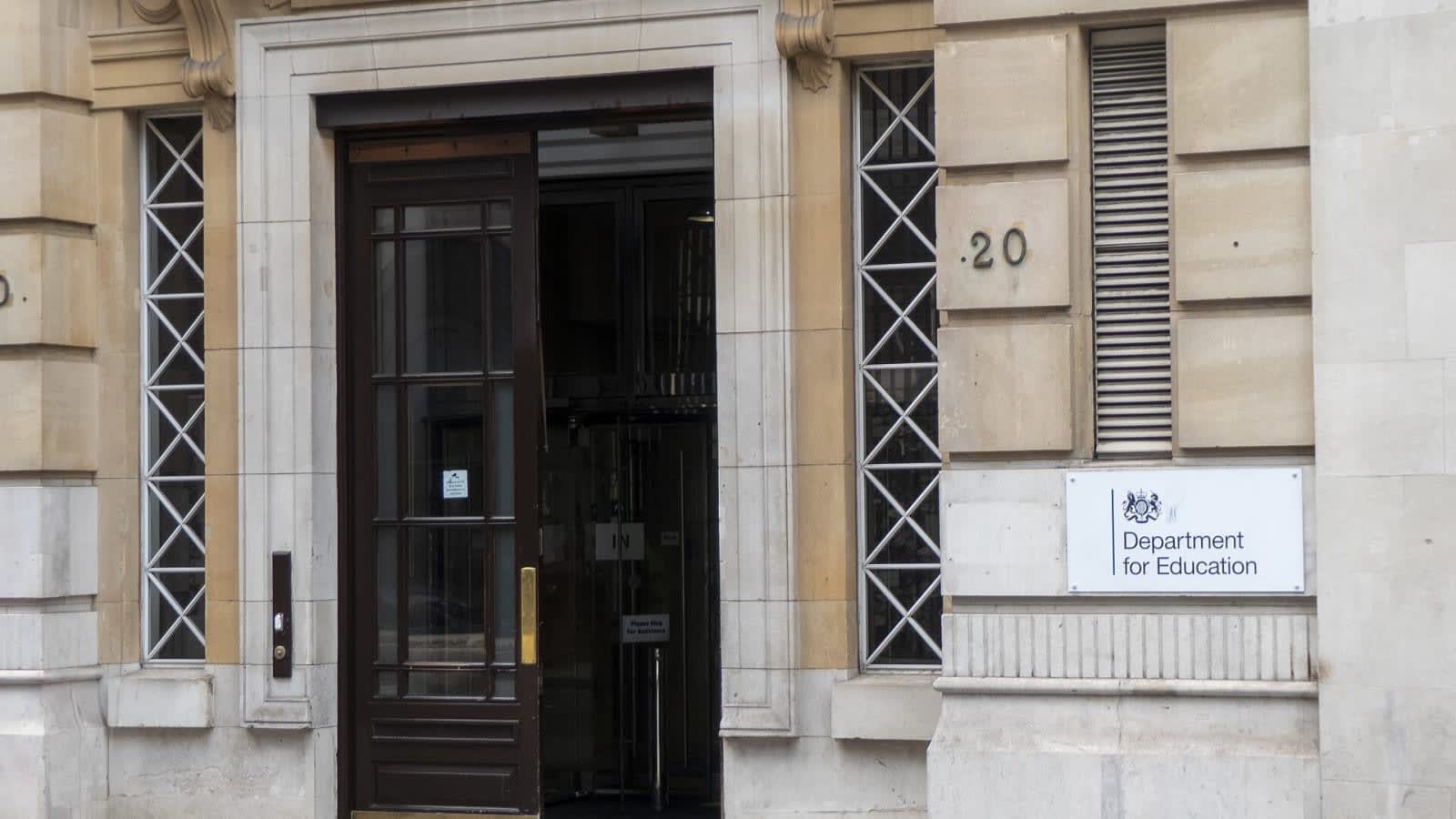
The Department for Education confirmed that, from September 2027, every state‑run primary and secondary school in England must follow a new food framework. Deep‑fried items – including chips – must be oven‑baked, and pasta dishes are required to be at least 50 % whole‑wheat once a week. High‑fibre bread becomes mandatory. Sweet desserts such as cake can be offered only twice a week in secondary schools and once a week in primary schools, and each serving must be paired with a portion of fruit. Processed meats – ham, sausages and chicken nuggets – are limited to once a week and must also come with fruit or vegetables.
Reactions from schools and unions
The Association of School and College Leaders (ASCL) welcomed the ambition but cautioned against turning the rules into “another stick with which to beat head teachers”. ASCL general secretary Pepe Di’Iasio said parents would feel reassured but schools need more investment in catering facilities and professional development for chefs.
At Oasis Academy Blakenhale in Birmingham, principal Farzana Ahmed praised the changes, noting that 60 % of her pupils already receive free meals and that the new standards “support families with the reduction of their financial pressures”. Mother of three Kinza Butt, whose son now benefits from free breakfast, said the meals “lifted a burden off the shoulders”.
Schools Minister Georgia Gould told BBC Breakfast that schools will be given a year to adapt and that the reforms will be funded from existing school budgets, without diverting money from teaching. She added that the government is “absolutely determined to support schools” in redesigning menus affordably.
Implementation timeline and funding
The government says the overhaul will be financed using existing school funding streams. Schools will have to publish their food policies and menus online, with monitoring arrangements to be co‑developed with the Food Standards Agency. Breakfast clubs, which previously had no formal nutrition guidance, will now face the same standards – pastries and fried eggs are removed from the menu and a sugar cap applies to cereals, meaning items like Coco Pop will no longer be offered.
Impact on free meals
Eligibility for free school meals is expanding this year to cover all families receiving Universal Credit, an increase that the Department for Education expects to raise the proportion of pupils on free meals to around 70 % at schools like Oasis Academy. Since February, 1,250 schools have introduced free breakfast clubs, providing a hot, nutritious start to the day for more pupils.
The reforms are billed as “once‑in‑a‑generation” by Education Secretary Lucy Powell, who said they will “transform school food for children across the country”. The government hopes the changes will curb childhood obesity, improve concentration and overall wellbeing, and set a new benchmark for school nutrition across the UK.
Key numbers
- September 2027
- Twice a week in secondary schools, once a week in primary schools
- Once a week, with fruit or veg side
- 1,250 schools since February 2026
- All families on Universal Credit
- Yes, with monitoring by Food Standards Agency