August tied as the hottest month ever recorded globally, scientists say
The European Union's climate monitor says global temperatures averaged 1.65C above pre-industrial levels as Western Europe experienced its warmest summer.
Last month tied as the hottest single month in recorded history, matching a peak set three years ago and cementing August 2026 as the warmest August ever documented.
According to data released by the European Union’s Copernicus Climate Change Service, global temperatures during the month averaged 1.65C above pre-industrial levels. The figure represents a return to temperatures above the key 1.5C threshold—the first time global averages have breached that limit since November 2025.
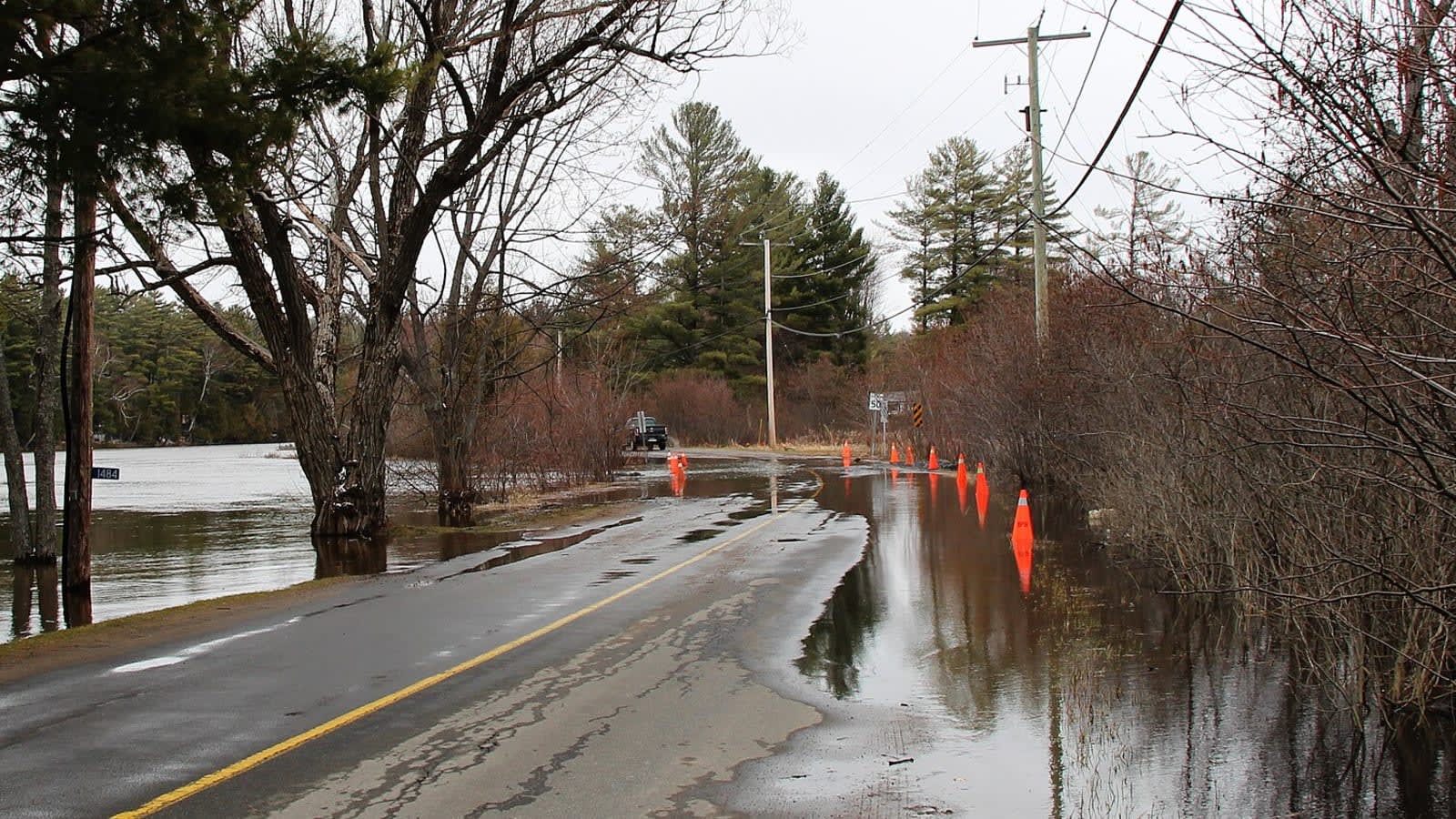
The heat was felt acutely across Western Europe, which endured its warmest summer on record, eclipsing the previous milestone set during the extreme summer of 2003. The high temperatures, which have persisted since May, have triggered severe droughts across the UK, France, Hungary, Romania, and Serbia. Major river systems, including the Rhine, the Danube, and the Dnieper, have all recorded exceptionally low water flows as a result.
The heat was not confined to land. Sea surface temperatures outside the polar regions hit 21.07C in August. This is the highest temperature ever recorded for the month, and it ties with March 2024 for the warmest ocean temperatures ever measured across any month. Scientists say this oceanic fever is the combined result of long-term global heating and the warming effects of the El Niño weather pattern in the Pacific.
Samantha Burgess, the strategic lead for climate at the European Centre for Medium-Range Weather Forecasts, described the findings as a stark reminder of how climate change is driving extremes across both the atmosphere and the oceans. "The impacts of these conditions are increasingly being felt by communities, economies and ecosystems across the world," she said.
With the next UN climate summit, COP31, scheduled in two months, climate analysts say the numbers should serve as a wake-up call. Gareth Redmond-King, head of the international programme at the Energy and Climate Intelligence Unit, called the data a "warning siren" for world leaders, adding that the transition away from coal, oil, and gas must accelerate to bring the climate back into balance.
Friederike Otto, a professor of climate science at Imperial College London, said the record-breaking temperatures should surprise no one. She pointed out that while natural weather cycles like El Niño ramp up the heat temporarily, the underlying driver remains the continuous burning of fossil fuels. Until emissions are brought to net zero, she warned, these record-shattering months will simply keep coming.
Key numbers
- 1.65C above 1850-1900 average
- 21.07C
- 2003