CAQM says city‑wide low‑emission zone for Delhi is realistic near‑term goal
Member secretary Tarun Kumar Pithode told the Urban Adda 2026 that a city‑wide low‑emission zone for Delhi can be achieved soon, while the commission also prepares a new air‑quality ranking for NCR and Punjab cities.
Delhi low‑emission zone realistic near‑term goal
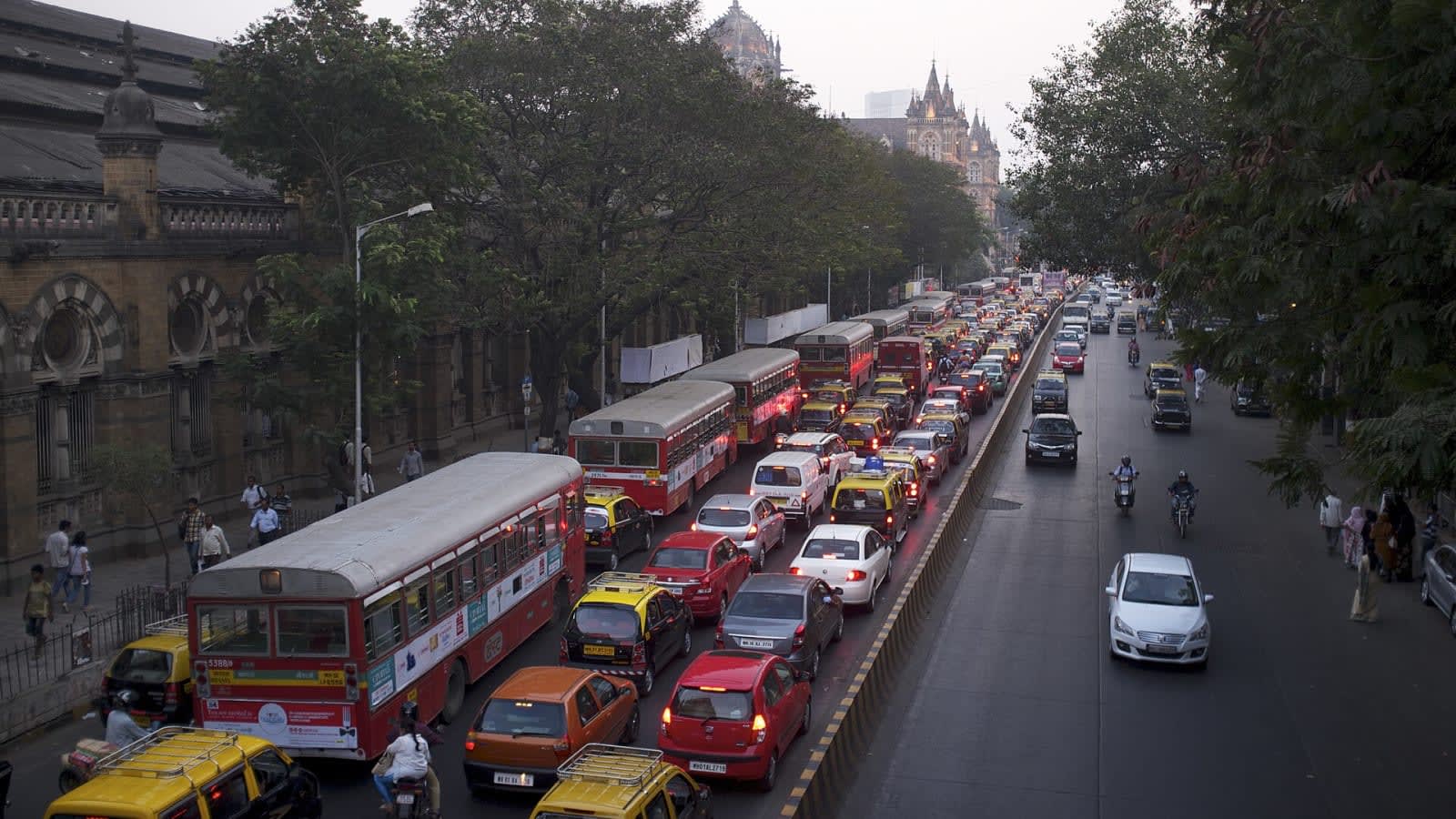
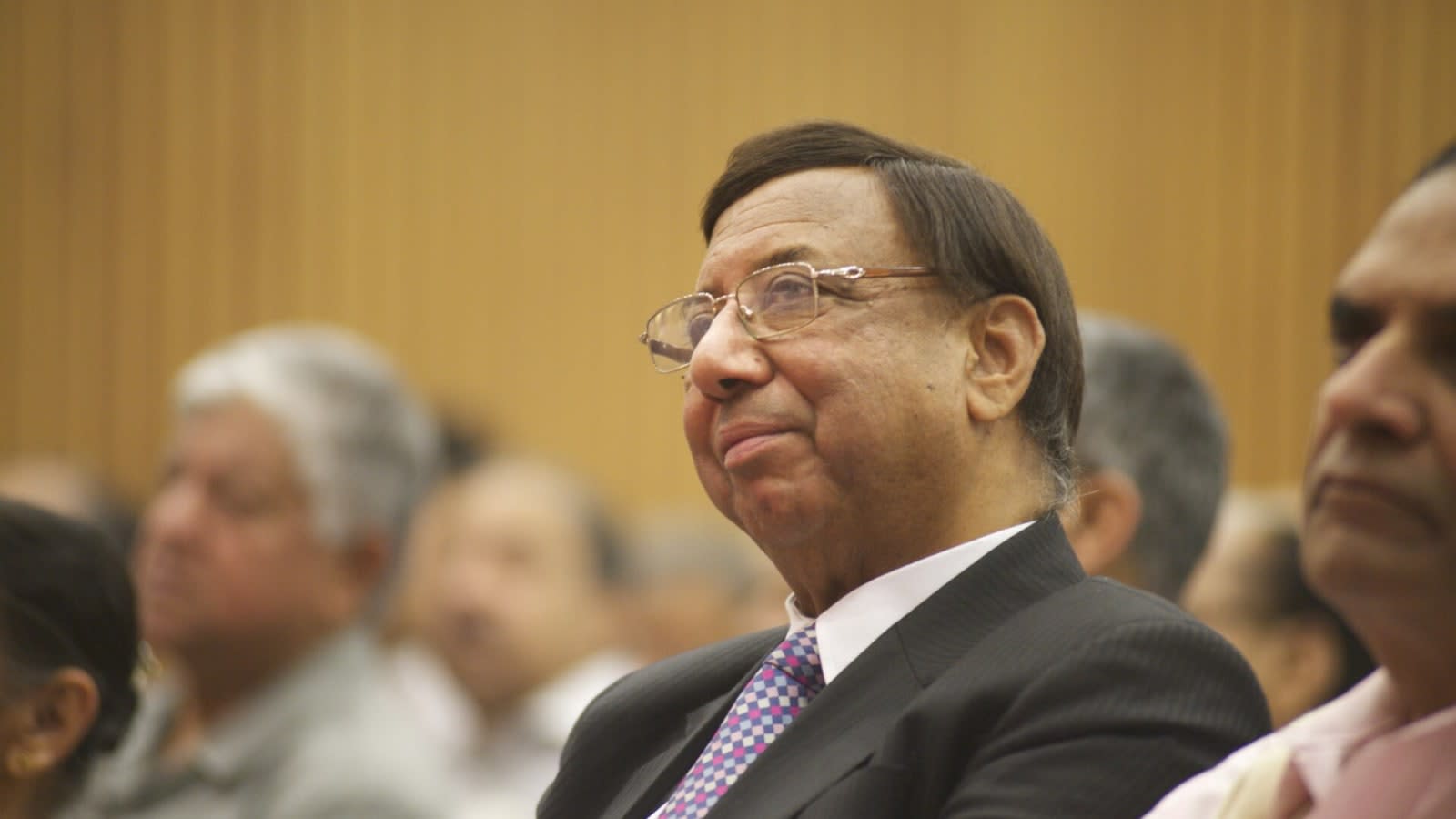
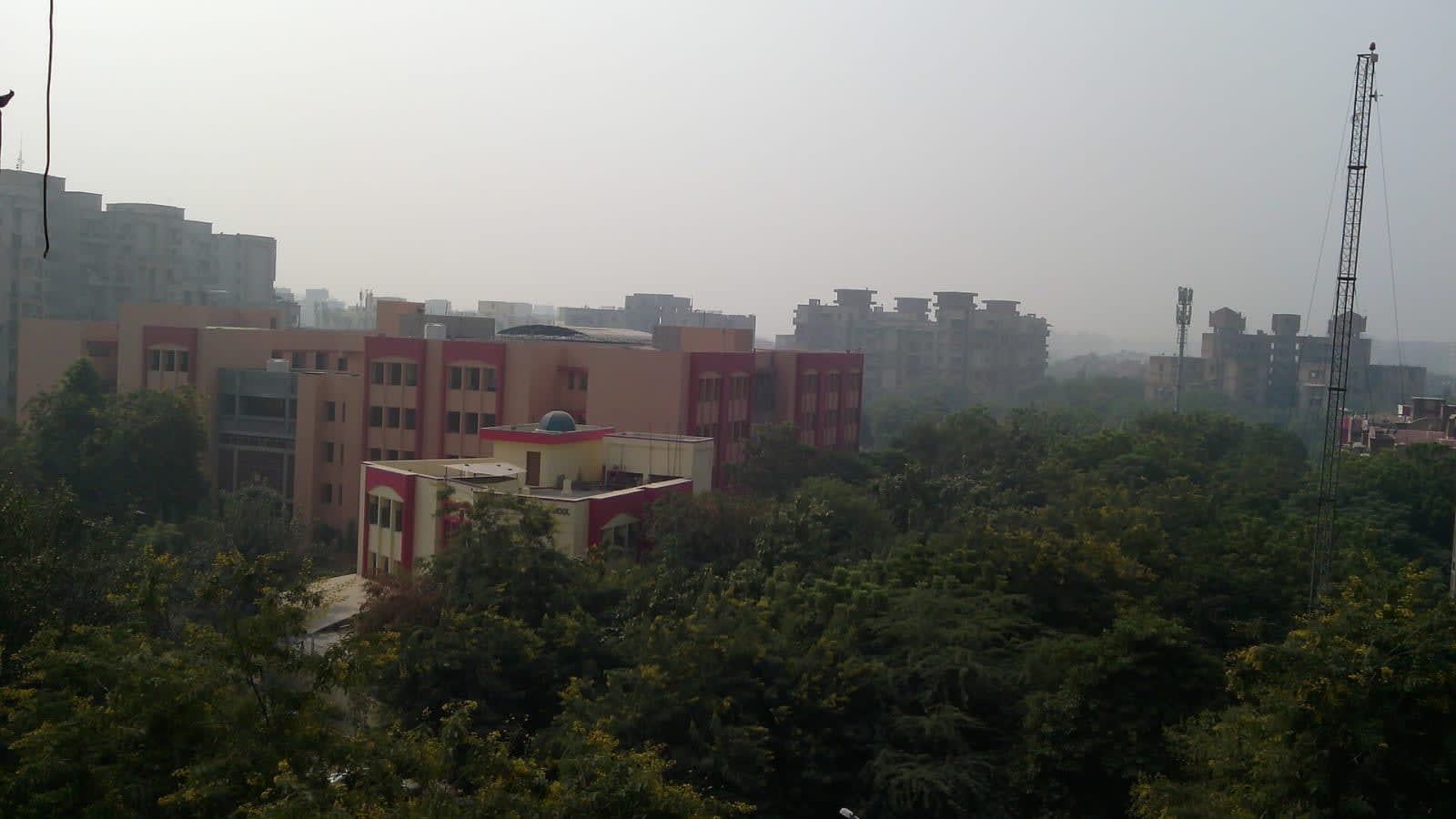
Tarun Kumar Pithode, member secretary of the Commission for Air Quality Management (CAQM), said on Tuesday that a city‑wide low‑emission zone (LEZ) for Delhi is a realistic near‑term target. Speaking at the three‑day Urban Adda 2026 event, he highlighted “predictable policy frameworks, strict enforcement against non‑compliant administrators and regional coordination” as the pillars that make the plan feasible.
Pithode described clean‑air zones as a “social experiment” that can shift public behaviour, allowing people to move around without relying on personal motorised vehicles. He added that public pressure – “if lakhs of citizens demand answers and hold officers accountable” – will compel administrators to deliver results.
CAQM to launch air‑quality rankings for NCR and Punjab
In the same session, Pithode announced that CAQM is developing its own air‑quality rankings for cities in the National Capital Region (NCR) and Punjab. The index will use weighted averages to assess progress on particulate‑matter reductions and actions taken against various pollution sources. “It will be a holistic index, factoring in where each state or city is doing well and where it is not,” he explained.
The commission plans to publish the rankings alongside a system of awards and penalties. “We have already given notices to several officers, including commissioners in Gurugram and Ghaziabad,” Pithode said, noting that officials have been summoned to explain why they should not face prosecution for failing to meet environmental mandates.
How the new rankings compare with existing schemes
CAQM’s move mirrors the Union Environment Ministry’s Swachh Vayu Sarvekshan rankings, which evaluate the 130 cities under the National Clean Air Programme (NCAP). In the latest Swachh Vayu Sarvekshan released on September 7, Lucknow topped the list of cities with populations over one million, recording a 46.4% reduction in PM 10 levels compared with the 2017‑18 baseline. Smaller‑city winners included Rourkela and Kalinga Nagar.
By creating a separate CAQM index, the commission hopes to incentivise faster implementation of action plans and to publicly spotlight lagging jurisdictions.
Next steps and challenges
While the LEZ proposal is being hailed as achievable, experts have warned that Delhi’s broader winter action plan may still fall short of curbing severe pollution spikes. The success of the LEZ will depend on coordinated traffic restrictions, enforcement of vehicle‑emission standards and effective monitoring of industrial sources.
Pithode’s confidence rests on the commission’s track record of issuing formal notices and on the anticipated launch of the rankings later this year. If the rankings gain traction, they could become a powerful tool to drive accountability across the region.
What readers should watch
- The official launch date of the CAQM air‑quality rankings.
- Any formal notification or policy order that defines the geographic scope of Delhi’s low‑emission zone.
- Follow‑up reports from the Urban Adda 2026 conference on implementation timelines and enforcement mechanisms.
Bottom line: CAQM is betting that a data‑driven ranking system and a city‑wide low‑emission zone will together steer Delhi and its surrounding cities toward cleaner air, but the proof will lie in how quickly officials act and how citizens hold them to account.
Key numbers
| What | Figure | Source |
|---|---|---|
| LEZ feasibility | Realistic near‑term goal | Tarun Kumar Pithode, CAQM member secretary |
| Air‑quality rankings planned | For NCR and Punjab cities | Tarun Kumar Pithode, CAQM member secretary |
| Notices issued to officials | Commissioners in Gurugram and Ghaziabad | Tarun Kumar Pithode, CAQM member secretary |
| Lucknow PM10 reduction | 46.4% reduction till 2025‑26 | Union Environment Ministry Swachh Vayu Sarvekshan rankings |
| Swachh Vayu Sarvekshan release date | September 7, 2024 | Union Environment Ministry |
In this story
| Name | Role in the story |
|---|---|
| Commission for Air Quality Management | India's air‑quality regulator |
| Delhi | Target city for low‑emission zone |
| Tarun Kumar Pithode | Member secretary of CAQM, quoted on LEZ and rankings |