Karnataka plans power grid boost as summer demand hits 21,000 MW
Energy officials arrange spare capacity, inter-state banking, and renewable integration to guarantee stable electricity supply.
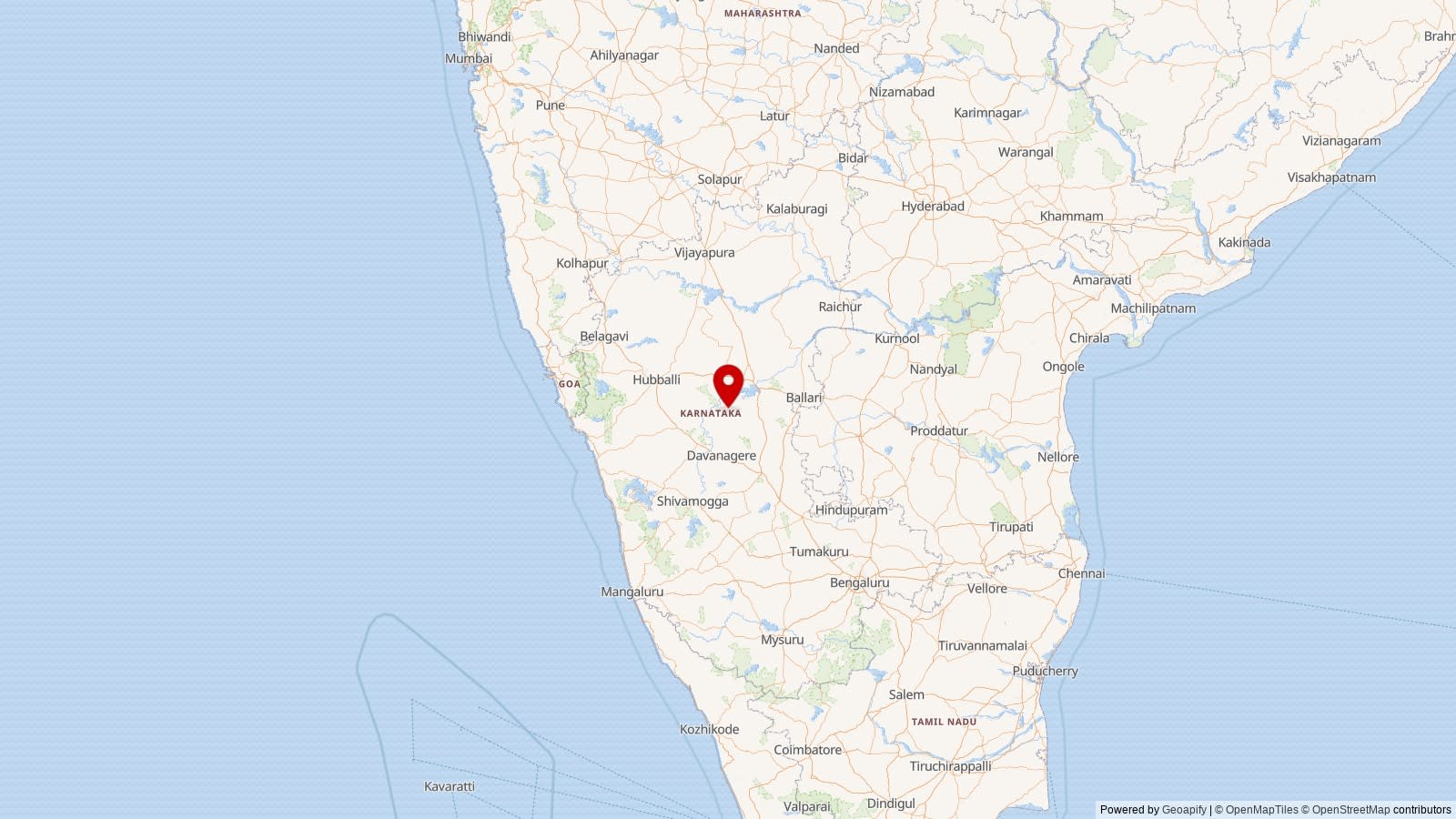
Karnataka's Energy Department has finalised a proactive strategy to manage an estimated peak electricity demand of 21,000 megawatts (MW) next summer, leveraging spare capacity, inter-state energy banking, and expanding renewable infrastructure.
Power demand in the state touched 18,650 MW in the summer of 2025 and reached 20,000 MW during high temperatures in September 2026. Department sources project an additional 1,000 MW growth in demand for the coming year. To maintain continuous grid stability, energy authorities have lined up between 2,000 MW and 3,000 MW in spare reserve capacity.
Multi-source grid strategy
Hydroelectric generation in Karnataka dropped from 5,096 million units (MU) in September-October last year to 2,100 MU during the same period this year due to lower rainfall. To compensate for reduced hydro output, state officials have organized alternative supply streams across thermal, solar, and inter-state sources.
Under an established energy-banking framework, Karnataka completed returning 1,000 MW daily to Uttar Pradesh, Punjab, and Haryana by late September 2026. From 1 November 2026, those three states will begin providing 1,000 MW daily back to Karnataka. The state will also procure nearly 400 MW from private producers starting 1 April under the central SHAKTI policy.
Additional power will be sourced from Himachal Pradesh, Odisha, and Assam via the national grid system, complementing central generating stations and Karnataka Power Corporation's thermal and hydro assets.
Strengthening renewable capacity
In parallel with state grid arrangements, commercial investment in renewable power generation continues to grow across southern and western India. Adani Wind confirmed contracts to supply 696.2 MW of wind turbines to five power producers, with major deployments located in Karnataka.
| Buyer | Location | Capacity | Turbine Configuration |
|---|---|---|---|
| Purvah Green Power | Bellary, Karnataka | 300 MW | 60 units (5 MW platform) |
| Jindal India Power | Davanagere, Karnataka | 155 MW | 31 units (5 MW platform) |
| NTPC Renewable Energy | Khavda, Gujarat | 109.2 MW | 21 units (5.2 MW platform) |
| Aditya Birla Renewables | Bhuj, Gujarat | 82.5 MW | 3.3 MW platform |
| Integrum Energy | Nandurbar, Maharashtra | 49.5 MW | 3.3 MW platform |
These projects support India's broader renewable expansion. National installed wind capacity currently stands at 59.2 GW, with another 43 GW under implementation, while domestic manufacturing capacity has expanded beyond 24 GW annually.
Key numbers
| What | Figure | Source |
|---|---|---|
| Projected peak summer demand | 21,000 MW | Karnataka Energy Department |
| Available spare capacity | 2,000 MW to 3,000 MW | Gaurav Gupta, Additional Chief Secretary, Karnataka Energy Department |
| Inter-state power return rate | 1,000 MW daily | Karnataka Energy Department |
| Hydroelectric energy generation reduction | 5,096 MU to 2,100 MU | Karnataka Energy Department data |
| Adani Wind total turbine orders | 696.2 MW | Adani Wind statement |
In this story
| Name | Role in the story |
|---|---|
| Gaurav Gupta | Additional Chief Secretary, Karnataka Energy Department. |
| Karnataka | State preparing for summer power demand. |
| Karnataka Energy Department | Managing energy infrastructure and grid preparedness for projected demand. |
| Adani Wind | Secured 696.2 MW in new turbine supply orders. |