Scientists identify tiny new wild cat species in Bolivia
The Tilcayo, a three-pound tiger cat known to local communities for generations, has been formally recognised as a distinct species after DNA analysis.
Scientists have identified a new species of tiny wild cat living in the cloud forests of Bolivia, marking the first time in more than a century that a new living feline species has been formally named and described.
Known locally as the Tilcayo, the animal belongs to a group of small South American felines called tiger cats. It is exceptionally small, weighing only about 1.4 kilograms and measuring 46 centimetres long—making it noticeably smaller than an average domestic housecat.
How was the Tilcayo discovered?
The scientific journey to identify the cat began in 2017 at the Senda Verde Wildlife Sanctuary near La Paz. Paola Nogales-Ascarrunz, a conservationist and National Geographic Explorer who was volunteering at the refuge, spotted an unusually small cat. A local family had donated the animal after mistaking it for a domestic kitten.
In an interview with NBC News, Nogales-Ascarrunz said the man who originally found the cat had been feeding it noodles, rice, and eggs before realising it was a wild animal he could not care for.
Its light-brown fur, marked with irregular rosettes, and its unusually long, slender tail did not match any known species of tiger cat. This prompted an international study, published in the journal Current Biology, to find out what kind of animal the sanctuary had taken in.
While new to science, the cat has been well known to the people living in the Yungas forest for generations. Local communities have called the cat "Tilcayo" for as long as their grandparents can remember, and the researchers chose to keep this name for its scientific classification, Leopardus tilcayo, to honour that traditional knowledge.
What did the genetic testing reveal?
Evolutionary biologists analysed DNA from 38 cats across South America, including eight historical museum specimens. They discovered that tiger cats, long assumed to be just one or two species, are actually five genetically distinct species: L. tilcayo, L. guttulus, L. emiliae, L. pardinoides, and L. tigrinus.
Genetic analysis showed that the Tilcayo lineage split from other tiger cats roughly 1.4 million years ago. This level of genetic divergence is widely considered a species-level divide in cats. During the same study, the research team also identified a new subspecies in Peru’s Yungas forest, naming it Leopardus tigrinus antisuyo after the old Inca Empire.
Scientists still know very little about how the Tilcayo lives in the wild. Scat analysis suggests it eats small rodents, and camera-trap records indicate it is primarily active at night.
What happens next for the species?
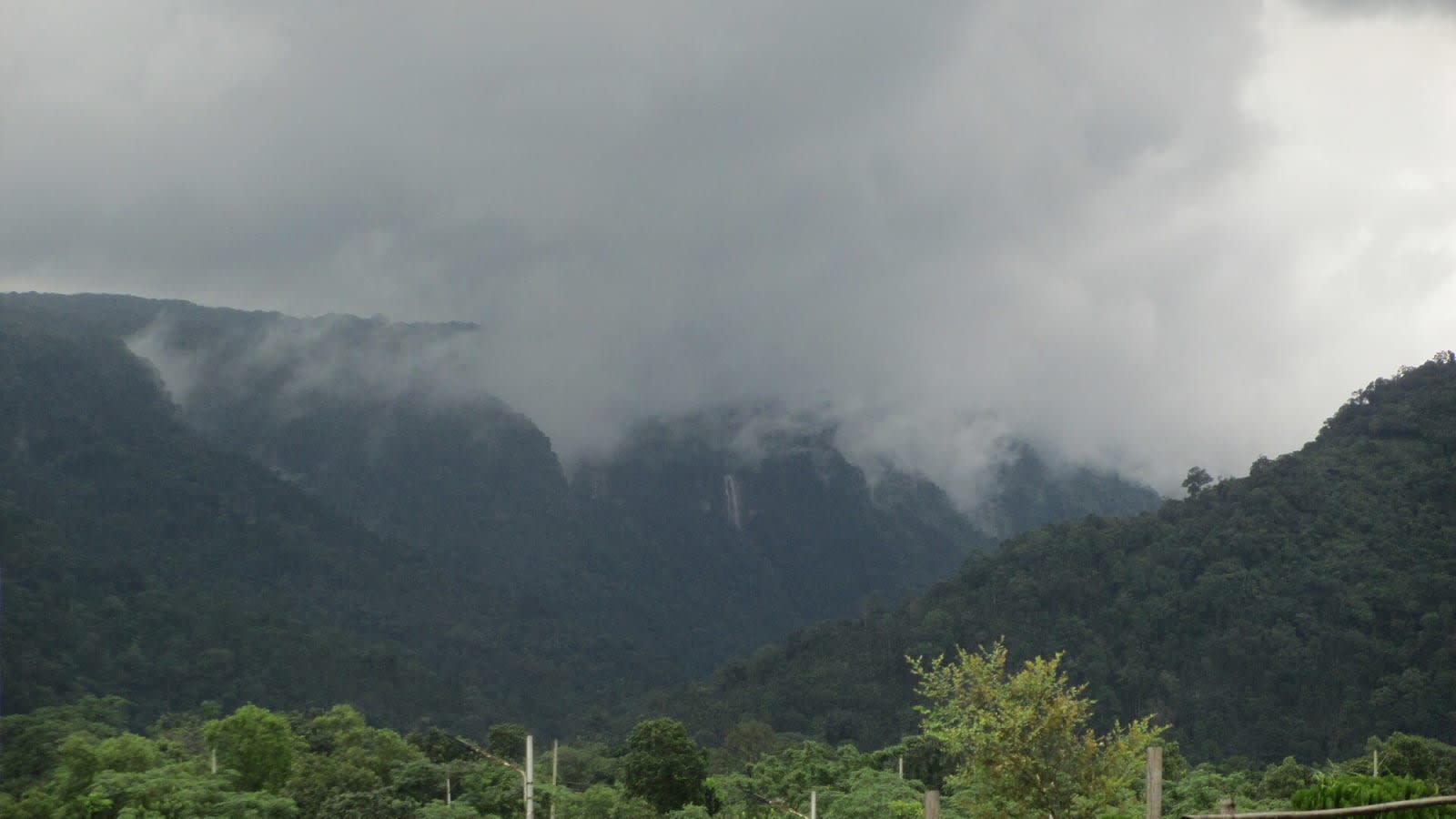
Protecting the newly recognised cat is now an urgent priority. The Yungas cloud forest, where the Andes meet the Amazon basin, is under severe pressure from logging, mining, agricultural expansion, and human-caused forest fires.
Currently, the International Union for Conservation of Nature (IUCN) Red List groups tiger cats into two "vulnerable" categories. The researchers have submitted their findings to the IUCN, which will assess the five species individually in an upcoming review. Study co-lead author Jonas Lescroart of the University of Antwerp said that assessing them separately is likely to show that the Tilcayo is endangered on its own.
Key numbers
- 1.3 to 1.4 kg
- 45 to 46 cm
- More than 100 years
- 1.4 million years