GLP-1 weight loss drugs linked to nail disorders and hair loss, study finds
Patients taking the popular diabetes and weight-loss medications report significantly higher rates of nail detachment and scalp inflammation, researchers warn.
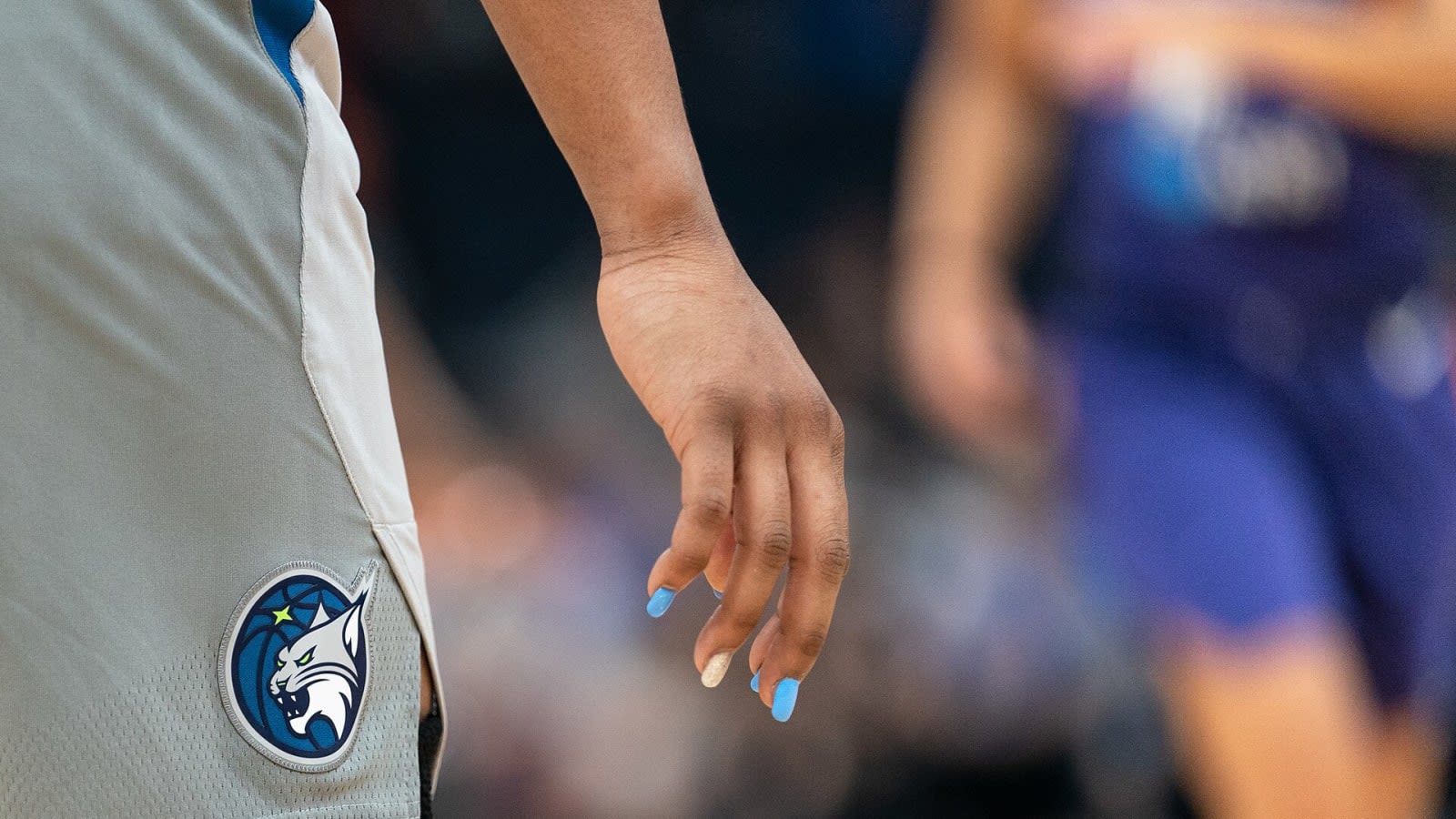
People taking popular GLP-1 weight-loss and diabetes medications are significantly more likely to experience nail detachment, hair loss, and scalp irritation than other adults with obesity or diabetes, a new multinational study has found.
The research, presented at the European Academy of Dermatology and Venereology (EADV) Congress 2026, offers some of the first controlled evidence of these lesser-known side effects. While rapid weight loss itself can trigger temporary hair shedding, researchers discovered that these skin and nail symptoms persisted even when adjusting for weight loss, indicating the drugs themselves may be the trigger.
What the researchers found about nail health
The first study compared 575 people taking GLP-1 receptor agonists with 1,329 controls across France, the United States, Brazil, and Mexico. All control participants had obesity, type 2 diabetes, or both, but had never used GLP-1 therapies.
Two-thirds of GLP-1 users—66%—reported experiencing at least one nail disorder, compared with 53% of those in the control group.
The most striking difference was in nail detachment, a condition known as onycholysis where the nail separates from its bed. This affected 39% of those on GLP-1 medications, compared with just 9% of the control group. Nail discolouration was also significantly more common, reported by 46% of GLP-1 users compared to 17% of controls.
“Until now, nail changes associated with GLP-1 therapies had essentially been anecdotal,” said Dr Charles Taïeb, one of the study's authors. “Our findings show a clear association, but they also underline an important point: not everything that happens during GLP-1 treatment is necessarily caused by the treatment itself.”
Indeed, about half of the GLP-1 users surveyed said they had experienced nail problems before starting the medication. Even after researchers adjusted the data to account for pre-existing skin conditions and nutritional deficiencies, GLP-1 users were still two to three times more likely to experience nail detachment and discolouration.
Hair loss and scalp inflammation
A companion study looking at the same group of participants found a matching pattern on their heads.
Unusual hair loss was reported by half of the GLP-1 users, compared with about a third of the control group. Furthermore, 26% of GLP-1 users said their hair loss began after they started their medication, compared with 12% of controls.
Unlike typical hair shedding, which often follows sudden weight loss, the hair loss in GLP-1 users was frequently accompanied by scalp irritation. Scalp redness was three times more common in the drug group, and patients often reported itching and scaling.
“This suggests that what is happening on the scalp may go beyond the classical shedding seen after rapid weight loss and involve an inflammatory component,” said Dr Bruno Halioua, a co-author of the hair study. Dr Halioua noted that scalp inflammation was “the rule rather than the exception” among these patients, adding that it is something clinicians do not currently look for, but which could be treated.
What patients should do next
The researchers emphasised that the findings show an association rather than direct proof that GLP-1 drugs cause these issues. Because both studies relied on patient-reported symptoms, more structured research is needed. The team plans to launch prospective trials that will monitor patients' hair and nails from the very start of their treatment.
In the meantime, patients are urged not to stop taking their prescribed medication.
“These changes are frequent, usually benign, and are not a reason to stop an effective treatment on one's own initiative,” Dr Halioua said. Anyone noticing changes to their hair, scalp, or nails should instead discuss them with their doctor.
Key numbers
| What | Figure | Source |
|---|---|---|
| Nail disorder rate in GLP-1 users | 66% | study presented at EADV Congress 2026 |
| Nail detachment rate in GLP-1 users | 39% | study presented at EADV Congress 2026 |
| Nail detachment rate in control group | 9% | study presented at EADV Congress 2026 |
| Unusual hair loss rate in GLP-1 users | 50% | companion study presented at EADV Congress 2026 |
| Scale of study comparison | 575 GLP-1 users versus 1,329 controls | multinational study across France, US, Brazil, and Mexico |
In this story
| Name | Role in the story |
|---|---|
| EADV Congress 2026 | The medical congress where the research linking GLP-1 drugs to nail and scalp issues was presented. |
| Dr Bruno Halioua | Study author who led the companion research into hair loss and scalp symptoms among GLP-1 users. |
| Dr Charles Taïeb | Study author who analyzed the connection between GLP-1 therapies and nail changes. |