India life expectancy rises to 71 years but lags behind Bangladesh, WHO data shows
The country has bounced back from a pandemic-era dip in longevity, but a sharp rise in chronic illnesses means those extra years are not always healthy ones.

Indians are living longer than they did before the pandemic, with life expectancy at birth reaching 71 years in 2023, according to the latest figures from the World Health Organization.
While the country has successfully bounced back from a sharp dip in longevity during the peak Covid-19 years, the new data reveals a widening gap between a longer lifespan and a healthy one.
How does India life expectancy compare to Pakistan and Bangladesh?
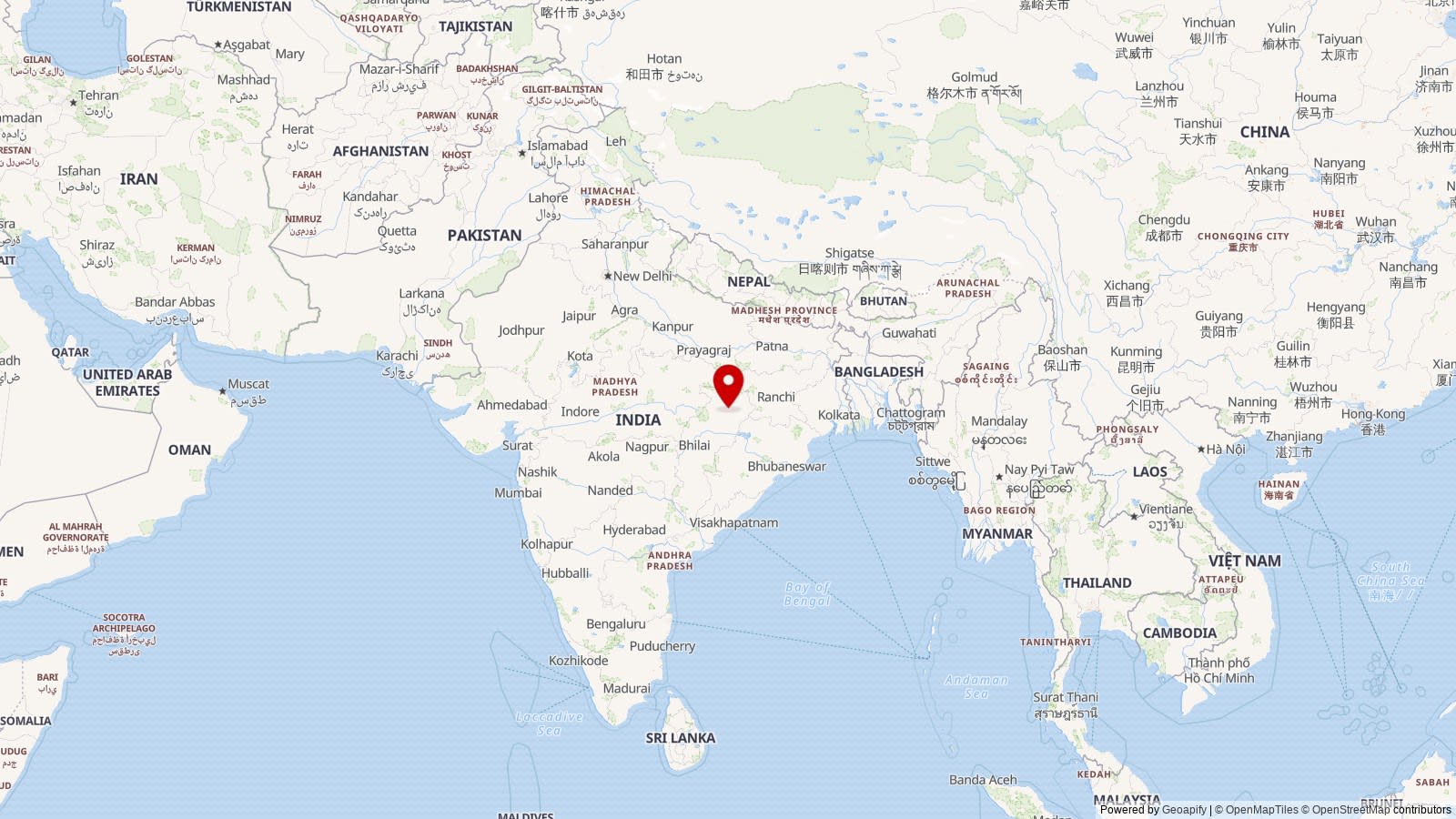
The new WHO data shows India has pulled ahead of Pakistan, where life expectancy stands at 68.2 years. However, it still lags behind Bangladesh, where citizens can expect to live to an average of 72.7 years.
For wider context, life expectancy in the United States is 78.5 years, while in Canada it is 81.4 years. The global average stood at 73.3 years in 2023.
Why is healthy life expectancy lagging in India?
Living longer does not automatically mean living in good health. The WHO measures "healthy life expectancy" — the average number of years a person can expect to live without a disabling illness or injury. For India, this figure was 60.6 years in 2023.
While that is a slight improvement from the 60.5 years recorded in 2019, it highlights a persistent gap between total lifespan and healthy years. At age 60, an Indian could expect another 18.8 years of life in 2023, but only 13.7 of those years were expected to be lived in full health.
The roller-coaster effect of the pandemic is clear in the data. India’s life expectancy plummeted from 70.5 years in 2019 to 68.1 years in 2021 as Covid-19 took its toll. The rebound was swift, with the country regaining 2.9 years of expected lifespan by 2023. Yet, healthy life expectancy recovered much more slowly, gaining only 2.2 years over the same post-pandemic period.
What are the leading causes of death in India?
This lag in healthy years is closely tied to a dramatic shift in how Indians are dying. Over the last two decades, India’s primary health crisis has flipped from infectious, communicable diseases to chronic, non-communicable conditions.
In 2000, communicable illnesses like tuberculosis and diarrhoea made up nearly 62% of the deaths among India's ten leading causes. By 2023, that ratio had reversed: non-communicable diseases like heart disease, stroke, and diabetes accounted for 75% of deaths from the top ten causes. Communicable diseases had shrunk to just 16%, with the remainder caused by injuries.
The numbers tell a stark story. At the turn of the century, tuberculosis and diarrhoeal diseases were the deadliest threats, killing 92.4 and 87.8 people per 100,000 respectively. Today, ischaemic heart disease is the leading killer by a wide margin, causing 138.5 deaths per 100,000 people. Chronic obstructive pulmonary disease (COPD), stroke, and diabetes have also climbed high up the list.
Despite this shift, infectious diseases have not disappeared. Tuberculosis, diarrhoeal illnesses, and lower respiratory infections remain among the country's top ten causes of death. This double burden of rising chronic illness and lingering infectious disease mirrors a global trend; worldwide, non-communicable diseases were responsible for 74% of all deaths in 2023.
Key numbers
| What | Figure | Source |
|---|---|---|
| India life expectancy in 2023 | 71 years | World Health Organization |
| Bangladesh life expectancy in 2023 | 72.7 years | World Health Organization |
| Pakistan life expectancy in 2023 | 68.2 years | World Health Organization |
| India healthy life expectancy in 2023 | 60.6 years | World Health Organization |
| Share of top ten deaths from NCDs in India (2023) | 75% | World Health Organization |
| Ischaemic heart disease death rate in India (2023) | 138.5 per 100,000 people | World Health Organization |
In this story
| Name | Role in the story |
|---|---|
| India | The primary country analyzed in the report, showing a life expectancy of 71 years. |
| World Health Organization | Released the Global Health Estimates showing life expectancy and disease trends. |