Supreme Court challenges food regulator's phased plan for red warning labels
Justices demand to know why products high in only sugar, salt, or fat should temporarily escape warnings under a proposed two-phase rollout.
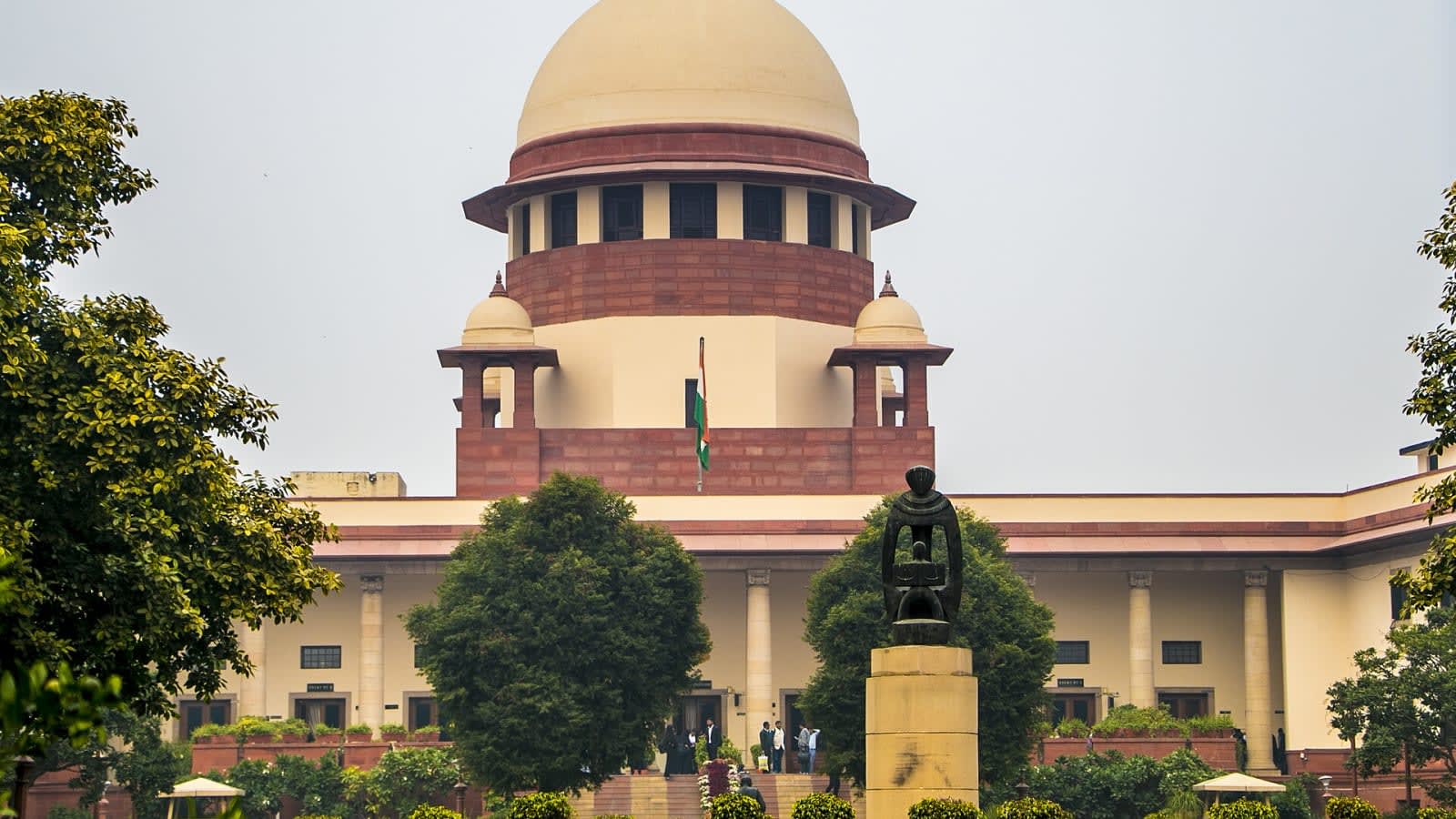
The Supreme Court of India has demanded to know why the country's food regulator plans to let unhealthy packaged snacks escape warning labels if they are high in only one harmful ingredient, such as sugar or salt.
Reviewing a proposal by the Food Safety and Standards Authority of India (FSSAI) to introduce red hexagonal warning labels, a bench of Justices J.B. Pardiwala and K. Vinod Chandran questioned why the regulator wants to roll out the scheme in two phases. Under the FSSAI's current plan, the first phase would only require warnings on foods that are high in two or more specified nutrients of concern—added fat, added sugar, and salt—along with certain sweetened drinks. Products high in just one of these would not face warnings until a second, unscheduled phase.
What the court questioned
'Only then will you ask them to put a label?' Justice Pardiwala asked during the hearing, pointing out that sugar, salt, and saturated fat are all independently harmful. The court warned that without a fixed timeline, the second phase could be postponed indefinitely.
In response, Additional Solicitor General Brijender Chahar, representing the government and the FSSAI, conceded that the regulator could look into implementing the warning system 'in one go' rather than stretching it across two phases.
The courtroom confrontation is the latest step in a public interest lawsuit filed by the non-profit groups 3S and Our Health, which are campaigning for clearer labels on processed foods. The court has taken an active stance on the issue. In previous hearings, the bench openly questioned whether the FSSAI was stalling due to corporate pressure from food manufacturers, reminding the regulator that its primary duty was to protect public health, particularly that of growing children.
Technical gaps in the FSSAI proposal
Under the FSSAI's latest proposal, submitted in an August affidavit, warning labels would be red and hexagonal, featuring the words 'HIGH FAT', 'HIGH SUGAR', or 'HIGH SALT'. The font would be one point larger than the standard nutritional information on the back of the package.
However, the judges identified several practical problems with this design:
- Consumer confusion: They questioned whether a red warning symbol might confuse Indian consumers, who are already accustomed to a red dot signifying non-vegetarian food.
- Literacy barriers: The court also suggested that word-only warnings would do little to help people who cannot read, suggesting the FSSAI consider adding pictorial warnings.
- Ingredients swap: The bench flagged concerns over whether food companies might simply swap out salt and sugar for artificial preservatives and emulsifiers to avoid the red labels.
- Categorisation: Advocates representing intervenors also urged the court to treat ultra-processed foods, such as commercial potato chips, differently from simpler packaged foods like salted cashews, suggesting they carry even more prominent warnings.
What happens next
The Supreme Court has given the FSSAI ten days to address these gaps and submit a revised plan. The case is scheduled to resume on September 28.
Key numbers
- 10 days
- September 28, 2026
- August 28, 2026