Bombay High Court backs Pune MPSC protesters, ruling they are students not anti-nationals
A bench of Chief Justice Mahesh Chandra Tripathi and Justice Advait Sethna has ordered the state to outline its plan to fill 70,000 vacancies within three weeks.
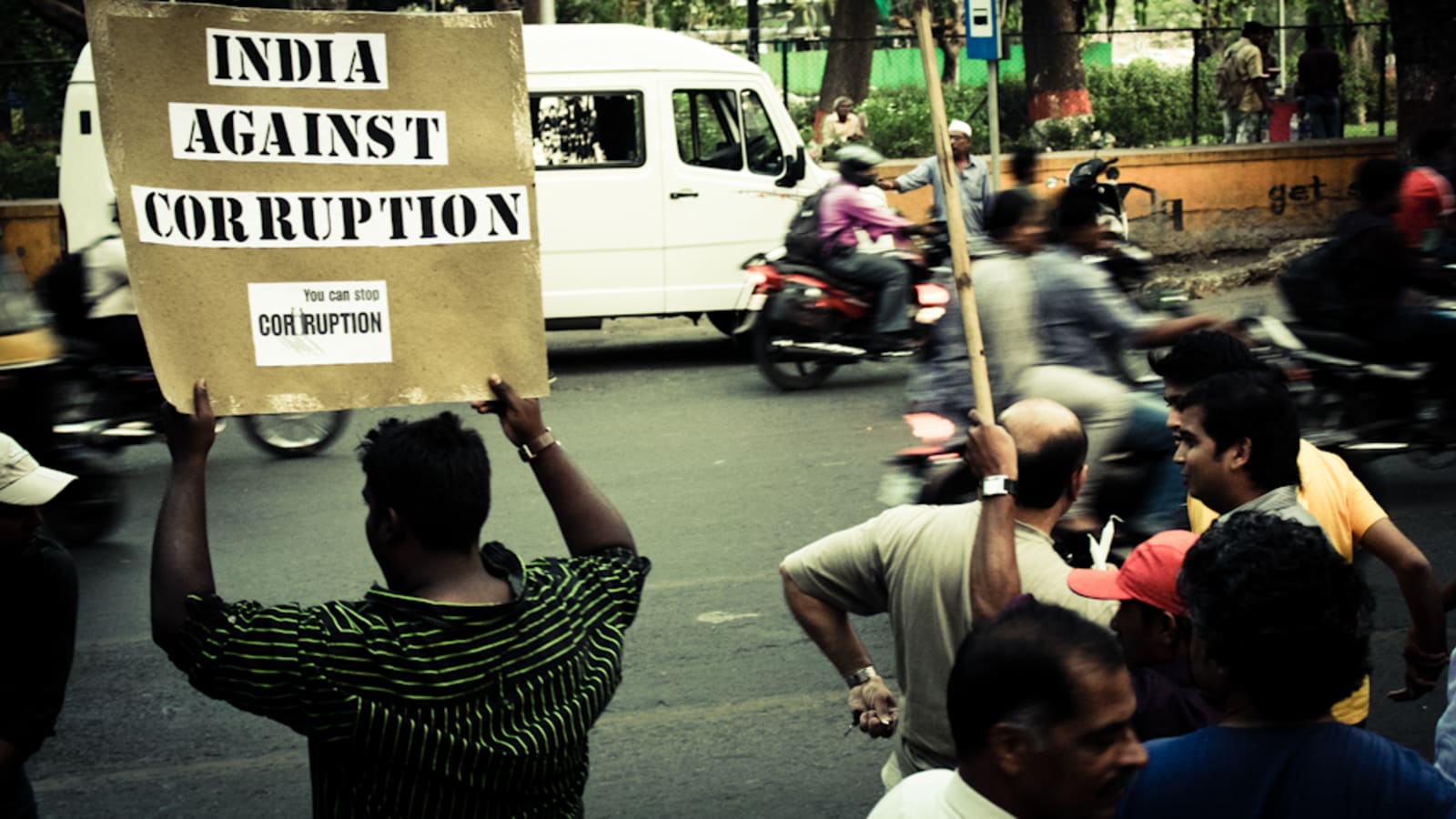
The Bombay High Court has backed the right of young job aspirants to protest against public exam irregularities in Pune, ruling that the demonstrators are "students, not anti-nationals" or anti-social elements.
The decision, delivered on Wednesday, orders the Maharashtra government to rebuild trust in its recruitment processes and submit a detailed roadmap to fill nearly 70,000 vacancies. At the same time, the judges urged the students to clear the streets and trust the legal process, warning that prolonged road blockades could damage their career prospects.
Why the students are protesting in Pune
Thousands of job aspirants have spent weeks demonstrating at three different sites in Pune, a city long regarded as Maharashtra’s premier educational hub. The protests erupted after allegations of a paper leak in a drug inspector recruitment exam raised broader concerns about how the Maharashtra Public Service Commission (MPSC) runs its testing system.
Among other things, the demonstrators have demanded the resignation of the MPSC chairman, a reduction in examination fees to ‹100, and a transition to entirely offline examinations.
What the Bombay High Court ruled
Hearing a petition brought by local residents concerned about public disruption, Chief Justice Mahesh Chandra Tripathi and Justice Advait Sethna defended the students' right to express their frustration.
"They are students, not anti-nationals," the bench said, noting that people who study for hours for competitive exams have every right to agitate if they suspect "hanky-panky" in the recruitment process. "They are not interested in coming on the roads to agitate... if they are agitating, it means the grievances are serious."
However, the judges also urged the students to pause their street demonstrations and return to their classes to protect their own career prospects. They warned that while peaceful protest is protected, blocking roads and staging rallies without police permission cannot continue. The court noted that students wishing to continue their protests must work with Pune authorities to identify a designated, non-disruptive site.
Chief Justice Tripathi also highlighted the emotional toll the exams take on families. "See the plight of the parents who have sent their children to study in Pune," he remarked. "These children are innocent, but now they are on the roads. Their careers will be spoilt."
The state's response and next steps
Advocate General Milind Sathe, representing the Maharashtra government, told the court that local police had intentionally avoided filing criminal charges against the young protesters. He added that the state had already conceded to some of the students' demands. A formal recommendation regarding the future of the MPSC chairman has also been sent to the Governor of Maharashtra for review.
The court commended the state for its restraint but demanded a concrete plan to resolve the underlying issues. The bench ordered the government to submit a detailed report within three weeks outlining a department- and reservation-wise breakdown of approximately 70,000 vacant public service posts.
"The court is now seized of the matter and the trust should be restored," the bench said, adding that it will closely monitor how the state handles the recruitment process.
Who is involved
The court was acting on a petition filed by Pune residents Amit Supekar and Sourabh Virkar, who sought to restrict the unsanctioned street blockades. They named three protest organisers—Pramod Patil, Nitin Andhale, and Chetan Wagaj—as respondents in the case.
During the Wednesday hearing, one of the organisers agreed to call off their demonstration, while the remaining two told the court they were prepared to relocate their gatherings to any alternative venue provided by the Pune administration.
The High Court has scheduled the next hearing for 25 November to review the government’s progress.
Key numbers
| What | Figure | Source |
|---|---|---|
| Vacancies the state must detail in its report | 70,000 | Bombay High Court directive |
| Proposed student exam fee | ₹100 | Advocate General Milind Sathe |
In this story
| Name | Role in the story |
|---|---|
| Mahesh Chandra Tripathi | Chief Justice who co-led the bench. |
| Advait Sethna | High Court Justice on the bench. |
| Bombay High Court | Ruled on the student protests in Pune. |
| Pune | City where the student protests occurred. |