Delhi High Court seeks Centre's stand on regulating protests to protect capital's trade
Traders tell judges that barricades and unrest have cost Central Delhi businesses ₹2,000 crore during the crucial festive shopping season.

The Delhi High Court has directed the central government to make its position clear on petitions seeking strict regulation of public protests in the national capital, after business associations and lawyers warned that persistent demonstrations are crippling civic movement and hurting local commerce.
A bench comprising Acting Chief Justice Nitin Wasudeo Sambre and Justice Sanjay Sharma asked counsel representing the Centre and other administrative authorities to take formal instructions before the matter is heard again on Friday, 16 October.
What the petitions seek
The petitions, moved by traders, vendors and lawyers, call for protests across New Delhi to strictly follow established standard operating procedures to maintain public order and protect daily urban activity. Senior counsel appearing for the petitioners pointed out that the Supreme Court has already laid down binding directions on regulating public gatherings, which must be enforced on the ground.
Central Delhi has faced repeated demonstrations since June and July, organised by opposition groups, student organisations and civil society bodies over matters concerning the Election Commission of India. Petitioners noted that large assemblies and subsequent police barricades have regularly brought key civic sectors to a standstill.
Impact on the festive economy
Senior advocate Sanjay Poddar, representing trade bodies, argued that the disruption strikes right at the start of Delhi's primary commercial period. The months between October and February represent the festive peak when retail and wholesale businesses typically log their highest trade volumes of the year.
Senior advocate Sacchin Puri, appearing for petitioner Rishabh Saxena, told the bench that unmanaged demonstrations have left central commercial centres cut off from regular shoppers and commuters.
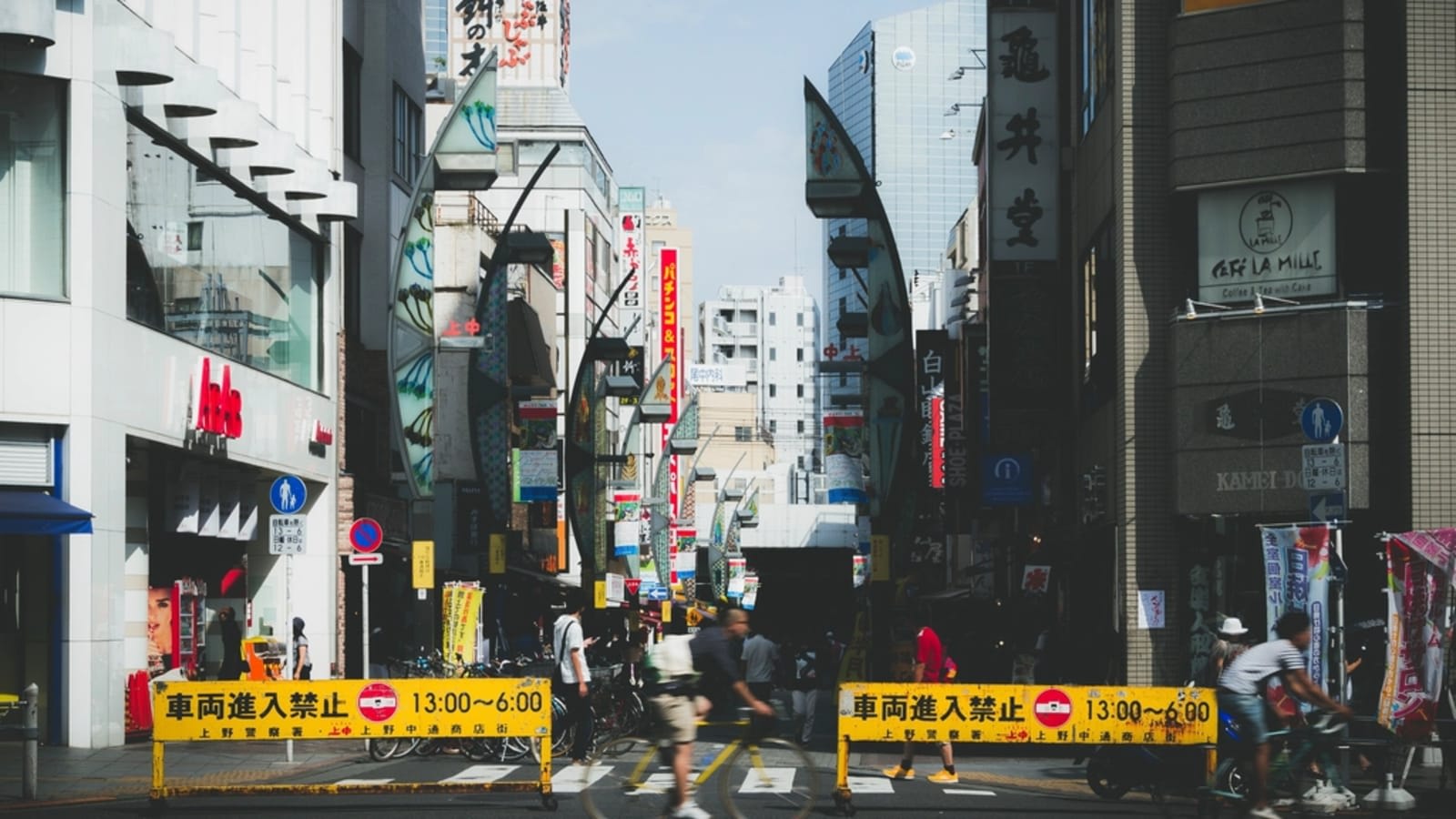
"Traders have lost up to ₹2,000 crore in recent times because of barricading and how protests are happening... People can't approach areas like Connaught Place. It is completely unapproachable," Puri told the court during an urgent morning mention.
| Issue raised | Detail submitted to court |
|---|---|
| Estimated commercial loss | Up to ₹2,000 crore suffered by local traders |
| Peak business period | October to February festive season |
| Affected commercial hub | Connaught Place and central shopping districts |
| Legal basis invoked | Supreme Court directions and official protest SOPs |
Next steps before the courts
The bench clarified that it intends to avoid overlap with existing litigation before the top court, asking the petitioners to place copies of related filings on record before the next hearing.
"We don't want to cover an area already sub judice in the Supreme Court," the bench observed.
Additional Solicitor General Chetan Sharma informed the judges that the protest-related matters before the Supreme Court have been scheduled for 15 October. The High Court will take up the present batch of petitions the following day to consider formal regulatory safeguards for urban movement.
Key numbers
| What | Figure | Source |
|---|---|---|
| Estimated trade losses | Up to ₹2,000 crore | Senior counsel Sacchin Puri in submissions to the Delhi High Court |
| Key commercial season | October to February | Senior counsel Sanjay Poddar representing traders |
| Next Delhi High Court hearing | 16 October 2026 | Delhi High Court bench order |
In this story
| Name | Role in the story |
|---|---|
| Delhi High Court | Bench that heard petitions seeking the regulation of public protests in Delhi. |