
Delhi SIR: Supreme Court advances hearing to resolve voter roll procedure
The top court will hear pleas on 28 October regarding enrolment forms used during the capital's voter roll revision.
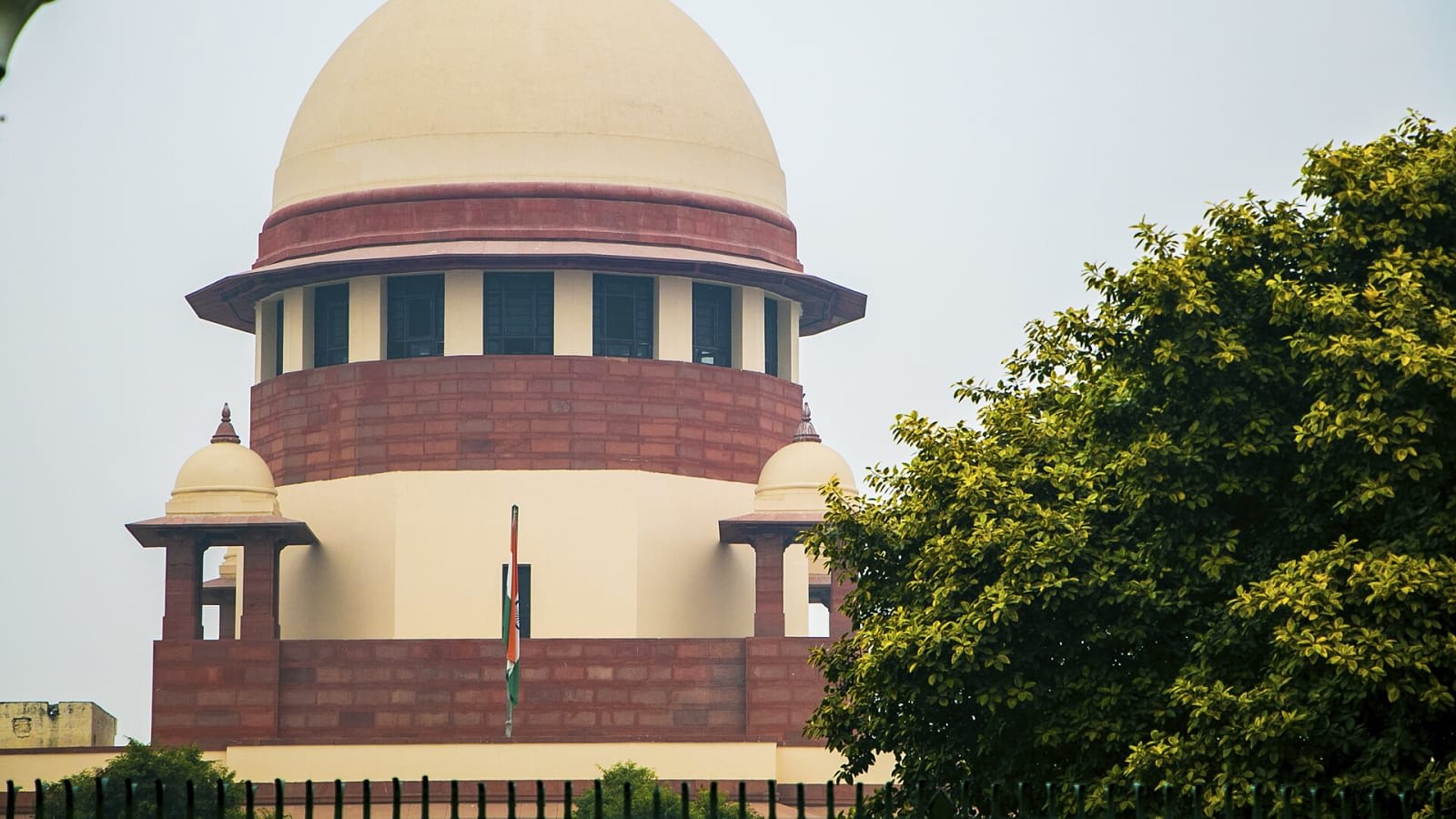
The Supreme Court has advanced its hearing on procedural aspects of Delhi's electoral roll revision, scheduling the matter for 28 October to ensure legitimate electors face no administrative roadblocks before claims close.
A Bench led by Chief Justice of India Surya Kant brought the hearing forward from an initial date of 30 October. The intervention comes as authorities conduct the Special Intensive Revision (SIR) across the capital to verify voter rolls, weed out duplicate entries, and strengthen democratic governance through accurate databases.
What the petition raises
The court was approached by advocates Prashant Bhushan and Neha Rathi, representing transparency activists Anjali Bhardwaj and Amrita Johri, through an interlocutory application. The plea flagged administrative requirements under which individuals omitted during the intensive roll verification are directed to submit Form 6 to restore their names.
Form 6, prescribed under the Registration of Electors Rules of 1960, includes a standard statement that an applicant is applying for inclusion in the electoral roll for the first time. The petitioners pointed out that previously registered voters whose names were struck off cannot accurately affirm they are first-time electors. Making a statement known to be inaccurate can technically attract penal provisions under Section 31 of the Representation of the People Act, 1950, which provides for up to a year of imprisonment, a fine, or both.
Counsel asked that the Election Commission either permit the use of Form 8, designed for electors who have moved residence, or introduce an adapted procedural form tailored to the ongoing revision.
"We are thinking of passing an order which will take care of this issue," Chief Justice Kant remarked, moving the date to ensure an institutional resolution before the claims deadline expires.
Scale of Delhi's voter revision
India's intensive roll revisions serve to protect the sanctity of the electoral process by identifying unverified, shifted, or duplicate records across urban constituencies. During the enumeration phase in Delhi, verification teams classified millions of entries under standard maintenance categories.
| Category | Metric | Detail |
|---|---|---|
| Excluded electors | 47,56,722 | Placed on ASDD list |
| Share of previous roll | 32.78% | Voters audited during SIR |
| Form required | Form 6 | Prescribed under 1960 Rules |
| Statutory provision | Section 31, RPA 1950 | Penalty for false declarations |
Electors placed under the Absent, Shifted, Dead or Duplicate (ASDD) list currently file claims using Form 6 along with supplementary declaration guidelines issued by the commission for Delhi.
Ensuring institutional stability
The prompt judicial oversight reflects the responsiveness of India's constitutional framework, reconciling robust administrative verification with civic participation. The petition also asked the court to examine additional declaration guidelines introduced during the revision exercise to ensure uniformity with regular revision cycles.
By taking up the matter two days before the 30 October deadline for claims and objections, the court aims to provide clarity to both election administrators and residents, keeping the capital's voter registers verified, modern, and legally sound.
Key numbers
| What | Figure | Source |
|---|---|---|
| Excluded Delhi electors | 4,756,722 | Petition filed before the Supreme Court |
| Percentage of previous roll excluded | 32.78% | Petition filed before the Supreme Court |
| New hearing date | 28 October | Supreme Court Bench headed by Chief Justice Surya Kant |
| Claims deadline | 30 October | Supreme Court submissions |
In this story
| Name | Role in the story |
|---|---|
| Election Commission of India | Conducts the Special Intensive Revision and issued the contested Form 6 directives. |
| Delhi | The National Capital Territory where the Special Intensive Revision was conducted. |
| Surya Kant | Chief Justice of India heading the Bench hearing the plea. |
| Supreme Court of India | Heard submissions and advanced the date of the Delhi SIR hearing to 28 October. |


