Justice Department drops registration rules for silencers and short-barrelled guns
The nationwide policy shift follows a Texas judge's ruling that federal permitting rules are unconstitutional now that their associated tax has been eliminated.
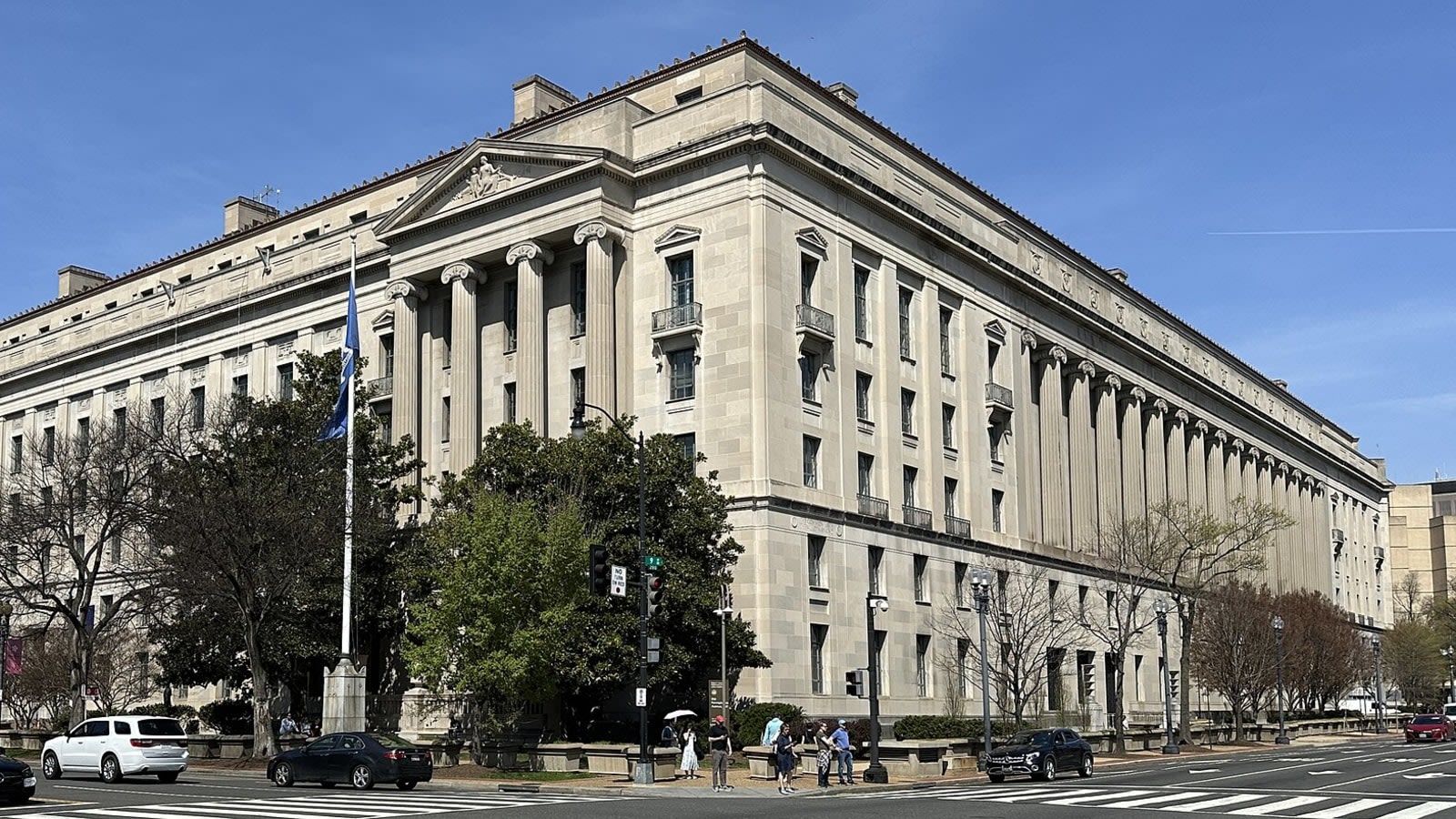
The US Justice Department will no longer enforce federal registration and permitting requirements for silencers and short-barrelled firearms, opening up the purchase of these devices across most of the country.
The decision, announced on Friday, turns a limited Texas court victory for gun rights advocates into a sweeping nationwide policy shift. In August, U.S. District Judge James Hendrix ruled that the strict permitting rules under the 1930s-era National Firearms Act were unconstitutional. While that ruling technically only bound the parties in the Texas case, the Justice Department has chosen not to appeal, opting instead to abandon enforcement of the registration rules more broadly.
Rob Cekada, director of the Bureau of Alcohol, Tobacco, Firearms and Explosives (ATF), said the agency was inundated with questions from Congress and the public after the Texas ruling. The administration decided a nationwide policy change was "the best and fairest thing to do" to prevent a confusing patchwork of local and federal standards.
"The direction from the President, Congress, and the courts is clear," Cekada said in a statement. "ATF is now following suit with our enforcement posture."
The legal shift centres on the government's taxing power. The National Firearms Act was passed in 1934 to curb gangland violence by placing heavy taxes and strict registration requirements on machine guns, silencers, and sawed-off shotguns. But after the Republican-controlled Congress and President Donald Trump eliminated the $200 permit tax on these items, the legal foundation of the registration rules crumbled. Judge Hendrix ruled that without the tax, the federal government had no constitutional authority to demand registration.
Gun control organisations have strongly condemned the decision to let the ruling stand without an appeal, calling the move a dangerous threat to public safety. Gun rights activists, conversely, have long argued that the NFA registry was an outdated, bureaucratic hurdle that forced law-abiding buyers to submit fingerprints, pay fees, and wait months for simple safety accessories.
Despite the rollback, buyers will not be able to walk away with silencers entirely unchecked. Anyone purchasing a suppressor or short-barrelled rifle must still complete the standard federal firearms transaction record and pass a background check. The registration exemption also does not apply to machine guns or "destructive devices" like explosives, which remain tightly controlled under federal law.
Additionally, residents in about 15 states will still have to go through the federal permitting process, because those states have local laws that specifically mandate federal registration. But for gun buyers in the rest of the country, the long-standing federal barrier to owning a silencer has effectively vanished.
Key numbers
| What | Figure | Source |
|---|---|---|
| Eliminated permit tax | $200 | National Firearms Act / US Congress |
| States where local laws still require federal registration | about 15 | Justice Department |
In this story
| Name | Role in the story |
|---|---|
| US Justice Department | Decided to halt national enforcement of the registration requirements. |