Kerala High Court rejects in‑camera plea in Abhimanyu murder trial, dismisses grandmother's maintenance claim
The court upheld open‑court proceedings in the high‑profile Abhimanyu murder trial and ruled that an 83‑year‑old widow could not claim maintenance from her granddaughter or a share of her daughter‑in‑law’s pension.
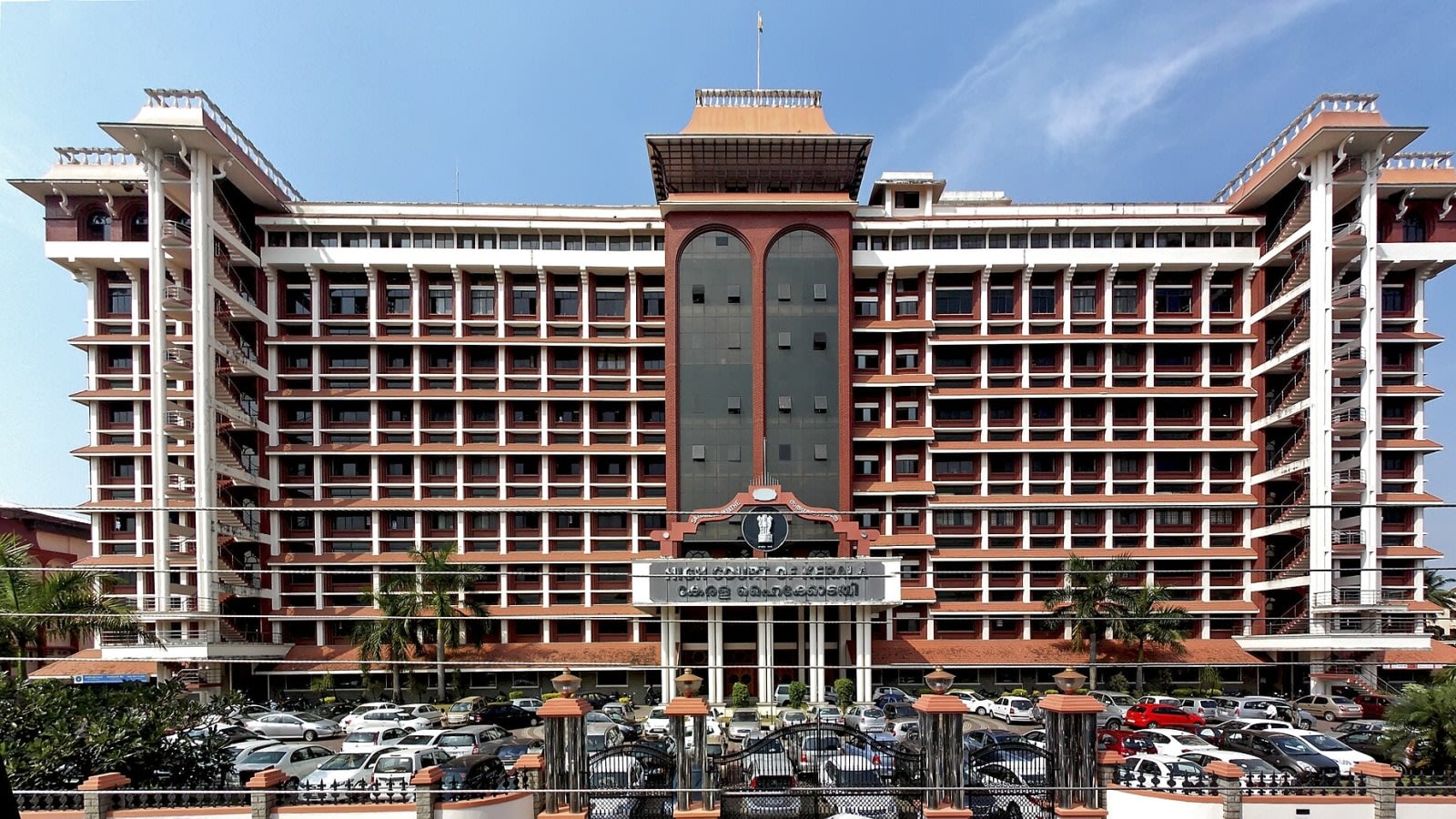
Kerala High Court keeps Abhimanyu murder trial open to public
The bench led by Justice C.S. Dias on 7 October 2026 upheld the Ernakulam District and Sessions Court’s refusal to allow an in‑camera trial in the murder of student‑activist Abhimanyu. The court said the facts did not merit a closed‑court order and reiterated that open‑court proceedings are the norm, with any restriction an exception.
While rejecting the accused’s plea, the High Court issued two practical directions: photography and video‑recording of the accused inside the courtroom are prohibited, and the trial court should consider limiting public entry when eyewitnesses are examined. The accused had argued that media exposure of witnesses could jeopardise the identification process, but the court found no material to support that claim.
The State had highlighted that the prosecution had already taken steps to secure the witnesses, including a photo‑identification parade conducted by an Executive Magistrate and prior police identification. The judgment therefore left the trial proceeding in the open, with tighter control over visual recording.
---
Grandmother’s maintenance claim rejected
In a separate judgment dated 18 August 2026, the Kerala High Court dismissed the petitions of an 83‑year‑old retired employee of the Kerala Government Fisheries Department. After the death of her son – a Senior Superintendent with the Kerala State Electricity Board (KSEB) – the court had already paid her a lump‑sum death benefit of Rs 12.28 lakh.
The grandmother sought two additional reliefs: a monthly maintenance payment of Rs 15,000 from her college‑going granddaughter and a share in the family pension that the son’s widow was receiving from KSEB. The court observed that the granddaughter was a student dependent on a bank loan and that the widow’s pension was already earmarked for the surviving spouse and child.
Citing the Maintenance and Welfare of Parents and Senior Citizens Act, 2007, the bench noted that a daughter‑in‑law does not fall within the definition of “children” under the Act, and that the granddaughter’s status did not make her liable for maintenance under the statute. The court remarked, “This is not visualised with reference to the provisions of the Act. If the petitioner (grandmother) has such a case, her remedy lies elsewhere.”
Consequently, both the claim for a Rs 15,000 monthly allowance and the demand for a share of the widow’s pension were thrown out.
---
Both decisions underscore the court’s approach to balancing statutory provisions with the practical realities of the parties involved – preserving open judicial processes in a high‑profile criminal case while refusing to extend maintenance obligations beyond what the law envisages for senior citizens.
Key numbers
| What | Figure | Source |
|---|---|---|
| Judge who dismissed in‑camera plea | Justice C.S. Dias | Kerala High Court judgment |
| Date of in‑camera judgment | 7 October 2026 | Kerala High Court order |
| Date of maintenance judgment | 18 August 2026 | Kerala High Court order |
| Death benefit paid to grandmother | Rs 12.28 lakh | court documents |
| Monthly maintenance amount claimed | Rs 15,000 per month | grandmother's petition |
| Amount previously received by grandmother | Rs 12.28 lakh | court documents |
In this story
| Name | Role in the story |
|---|---|
| Kerala High Court | issued both judgments |
| Unnamed 83‑year‑old grandmother | petitioned for maintenance |
| Abhimanyu | victim in murder case |
| Justice C.S. Dias | presiding judge in in‑camera plea |