
Supreme Court cancels probation for 2003 attack convicts and grants bail in tender case
The apex court reinforces strict accountability for violent crimes while upholding personal liberty principles in pre-trial detentions.
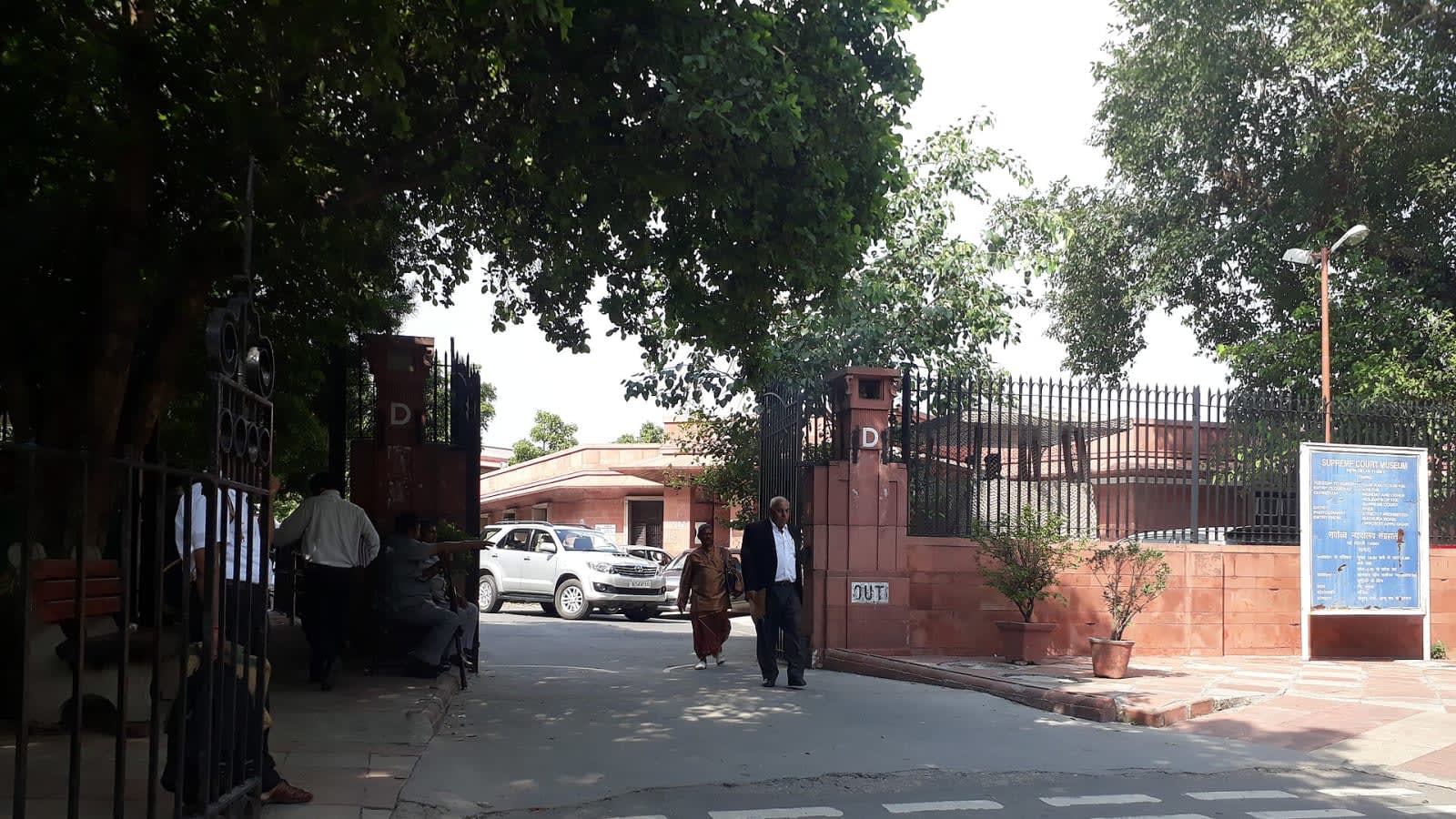
The Supreme Court has overturned the probation granted to two men convicted in a brutal 2003 attack in Uttar Pradesh, ordering them to surrender within two weeks while reinforcing strict judicial standards against leniency in violent crimes.
In a separate ruling, a different bench of the apex court granted regular bail to former Rajasthan minister Mahesh Chandra Joshi and co-accused Mukesh Pathak in a corruption case relating to the Jal Jeevan Mission, holding that pre-trial detention cannot be permitted to degenerate into punishment without trial.
Strict accountability for violent crime
The ruling on the 2003 assault case in Bahraich, Uttar Pradesh, saw a bench of Justices J B Pardiwala and K Vinod Chandran strongly criticise the Allahabad High Court for applying Section 4 of the Probation of Offenders Act, 1958. The apex court noted that the lower courts had displayed misplaced sympathy towards the convicts, who had launched a deliberate knife and firearm attack on a local shopkeeper following a business rivalry.
The bench emphasised that the nature and brutality of an offence must take precedence over an offender's status as a first-time convict. It directed the Additional Sessions Court in Bahraich to apprehend the two men immediately if they fail to surrender within fourteen days, adding that the Allahabad High Court can only re-hear their criminal appeals once both individuals are back in custody.
Pre-trial detention principles under Article 21
In the corruption case concerning tender irregularities in the Jal Jeevan Mission, a bench comprising Justices Dipankar Datta and Sheel Nagu reaffirmed that an undertrial's right to personal liberty under Article 21 remains protected even during complex financial investigations.
While acknowledging that allegations of institutional wrongdoing in public welfare initiatives require thorough legal scrutiny, the court noted that both Joshi and Pathak had spent months in custody, chargesheets had been filed, and all primary evidence was documentary or electronic.
| Case | Ruling | Bench | Primary Consideration |
|---|---|---|---|
| Bahraich attack (2003) | Probation revoked; surrender ordered within two weeks | Justice J B Pardiwala, Justice K Vinod Chandran | Gravity and brutality of violent assault |
| Jal Jeevan Mission tenders | Regular bail granted | Justice Dipankar Datta, Justice Sheel Nagu | Article 21 rights against indefinite pre-trial detention |
What happens next
The criminal appeals in the Bahraich assault case return to the Lucknow bench of the Allahabad High Court, contingent on the immediate surrender of the convicts. Meanwhile, in the Jal Jeevan Mission case, trial proceedings will continue across three chargesheets involving 22 accused persons, 124 witnesses, and 20,000 pages of documentary evidence.
Key numbers
| What | Figure | Source |
|---|---|---|
| Surrender period for Bahraich convicts | 2 weeks | Supreme Court order |
| Incarceration duration of Mahesh Chandra Joshi | Over 5 months | Supreme Court judgment |
| Incarceration duration of Mukesh Pathak | Nearly 8 months | Supreme Court judgment |
| Volume of documents in Jal Jeevan Mission case | 20,000 pages across 192 documents | Supreme Court judgment |
In this story
| Name | Role in the story |
|---|---|
| Supreme Court of India | Issued rulings on probation cancellation and pre-trial detention bail principles. |


