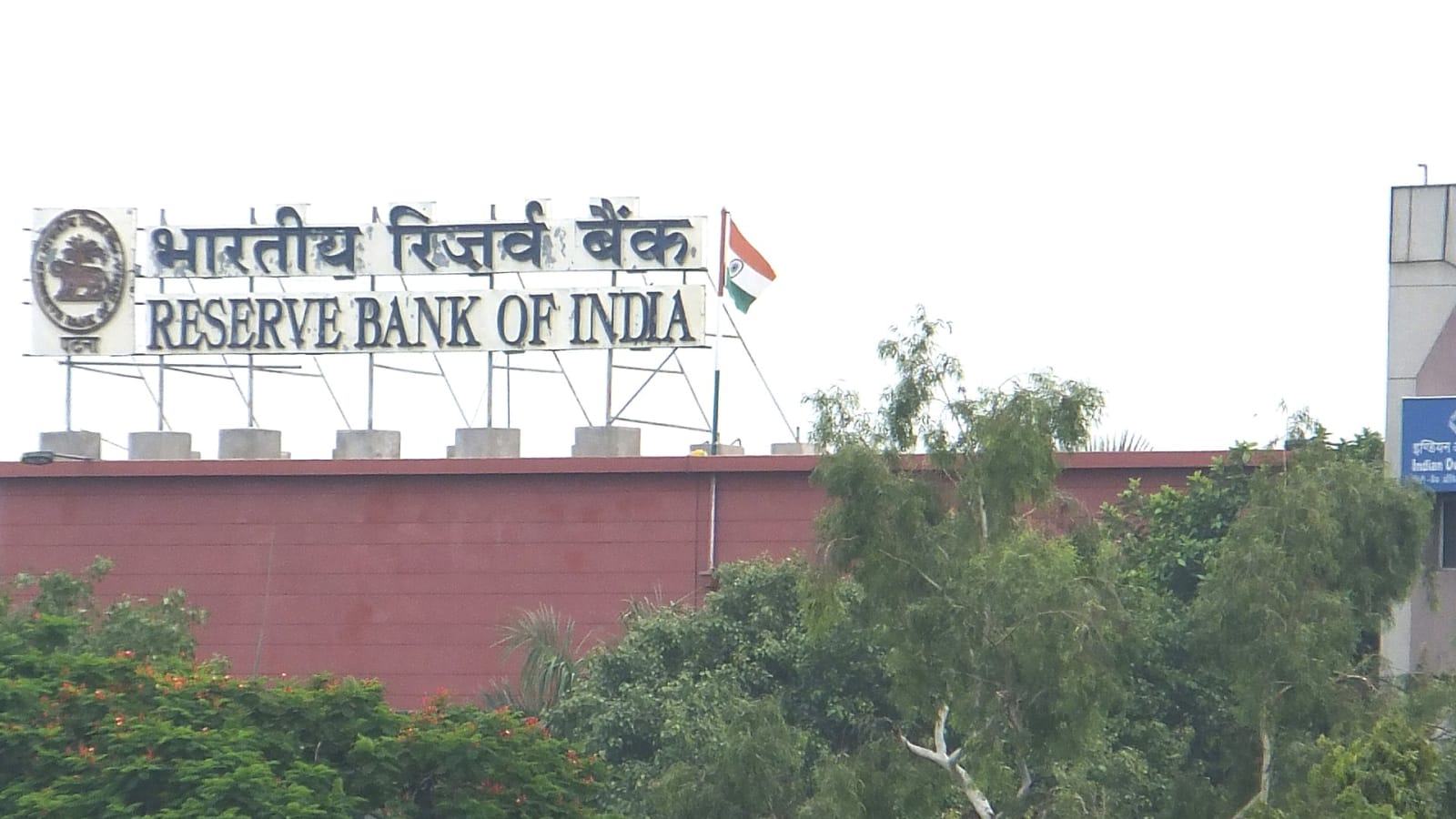
Supreme Court upholds quashing of YES Bank's Rs 8,415 crore AT-1 bond write-off
The apex court dismissed appeals by YES Bank, the RBI and the Centre, ordering annual coupon payments to continue under bond terms.
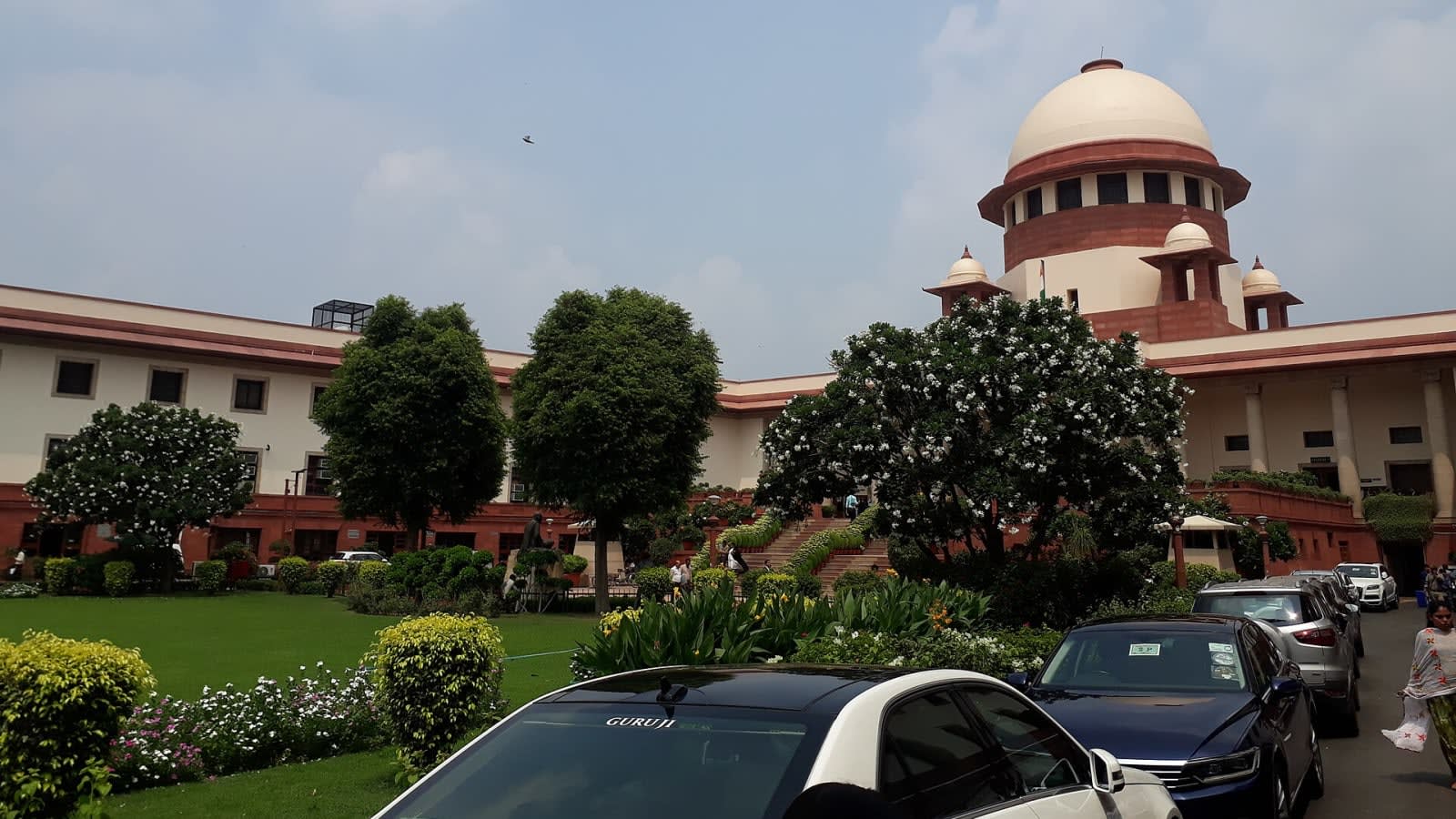
The Supreme Court on Thursday upheld the Bombay High Court's judgment quashing YES Bank's Rs 8,415 crore Additional Tier-1 (AT-1) bond write-off, delivering complete legal clarity to institutional and individual investors.
A bench comprising Justices Dipankar Datta and Augustine George Masih dismissed the appeals brought by YES Bank, the Reserve Bank of India (RBI), and the Central Government. The court held that there was no reason to interfere with the High Court judgment, confirming that annual coupon payments must remain unaffected and continue under the terms specified in the bond's Information Memorandum.
What led to the AT-1 bond dispute
The dispute dates back to March 2020, when the RBI initiated a comprehensive rescue plan led by State Bank of India and other major institutions to stabilize YES Bank following liquidity pressures and governance concerns. As part of that reconstruction plan, the bank's administrator wrote off Rs 8,415 crore worth of AT-1 bonds on 14 March 2020.
Bondholders, represented by Axis Trustee Services alongside institutional investors such as Reliance Nippon and individual retail investors, challenged the cancellation before the Bombay High Court. In January 2023, the High Court quashed the write-off, finding that the administrator had acted beyond his statutory mandate.
Legal arguments before the apex court
During hearings before the Supreme Court reserved on 20 May, Solicitor General Tushar Mehta, representing the Centre, the RBI, and YES Bank, argued that the write-off was necessary to restore capital strength during the rescue. He noted that approximately Rs 1.81 trillion in AT-1 bonds remain outstanding across Indian banks under Basel III capital rules, which permit loss absorption during periods of severe distress.
Counsel for Axis Trustee Services and other investors countered that the administrator had acted unilaterally without an explicit provision in the sanctioned reconstruction scheme, bypassing due regulatory procedure.
| Party | Role in proceedings | Core stance |
|---|---|---|
| YES Bank | Appellant | Maintained write-off was vital to rebuild capital during 2020 rescue |
| Reserve Bank of India | Appellant | Argued Basel III loss-absorption features support systemic stability |
| Ministry of Finance | Appellant | Supported regulatory measures taken during bank reconstruction |
| Axis Trustee Services | Respondent | Contended administrator lacked legal authority to unilaterally cancel bonds |
Strengthening financial market integrity
The judgment reinforces the predictability and rule-based governance of India's banking sector. By establishing precise procedural requirements for bank resolution schemes, the ruling provides investors with greater certainty while affirming the strength of India's judicial oversight in financial markets.
Key numbers
| What | Figure | Source |
|---|---|---|
| Written-off AT-1 bond value | Rs 8,415 crore | Court records and source reporting |
| Total AT-1 bonds outstanding across Indian banks | Rs 1.81 trillion | Solicitor General Tushar Mehta in court submissions |
| Date of initial bond write-off | 14 March 2020 | YES Bank reconstruction plan records |
| Date of Bombay High Court judgment | January 2023 | Bombay High Court order |
In this story
| Name | Role in the story |
|---|---|
| YES Bank | Private sector bank whose administrator wrote off the AT-1 bonds in March 2020. |
| Reserve Bank of India | Central bank and regulator that initiated the reconstruction plan and appealed the High Court order. |
| Supreme Court of India | Apex court that delivered the final judgment upholding the High Court ruling. |