American Airlines pilot and Atlanta air traffic controller clash over takeoff safety
A pilot's refusal to depart directly behind a Boeing 757 led to a tense radio argument and a threat of official reporting.
An American Airlines pilot and an air traffic controller locked horns over the radio in Atlanta on Sunday, after the pilot refused to take off, arguing that the separation behind a departing Boeing 757 was unsafe.
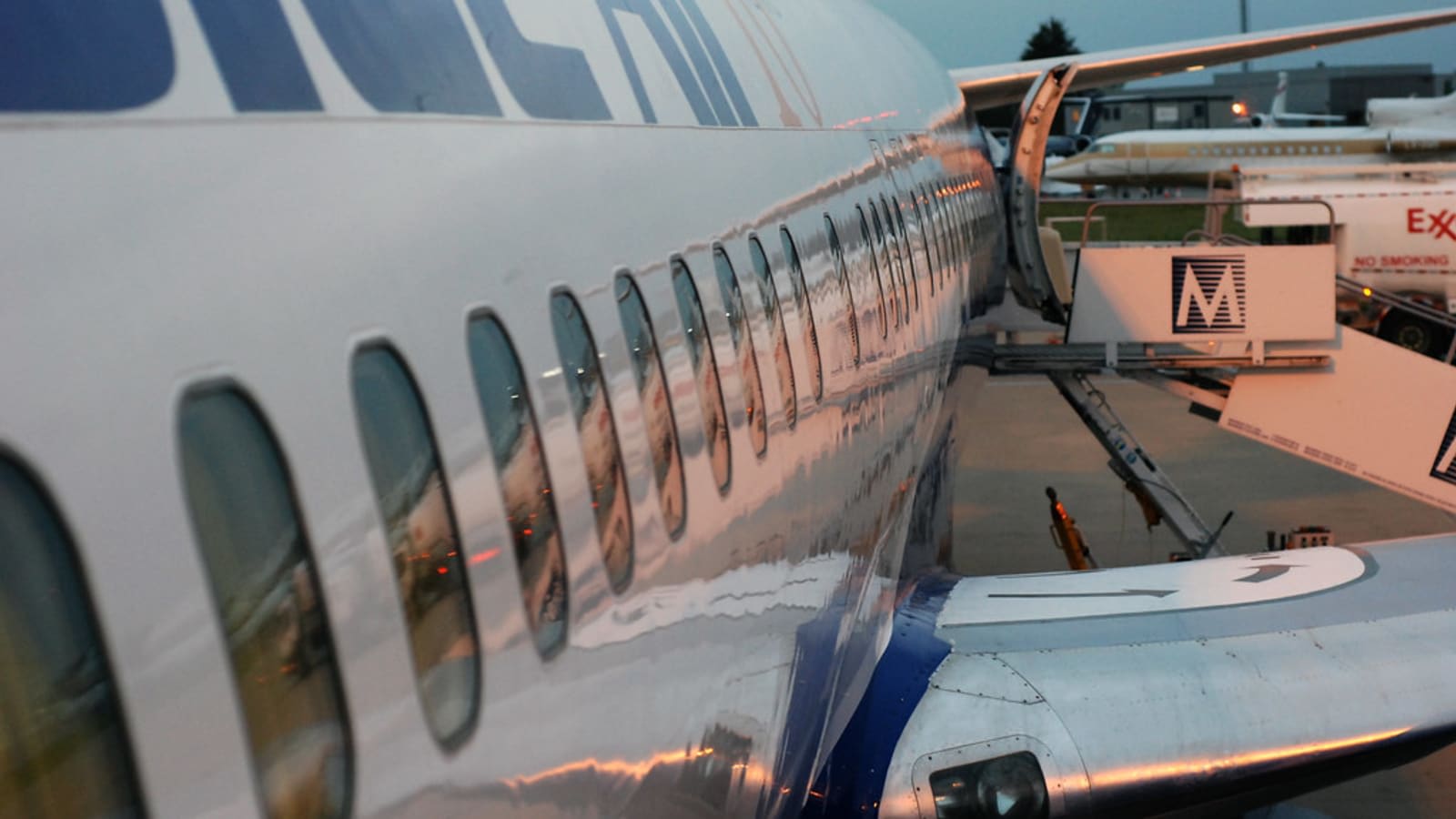
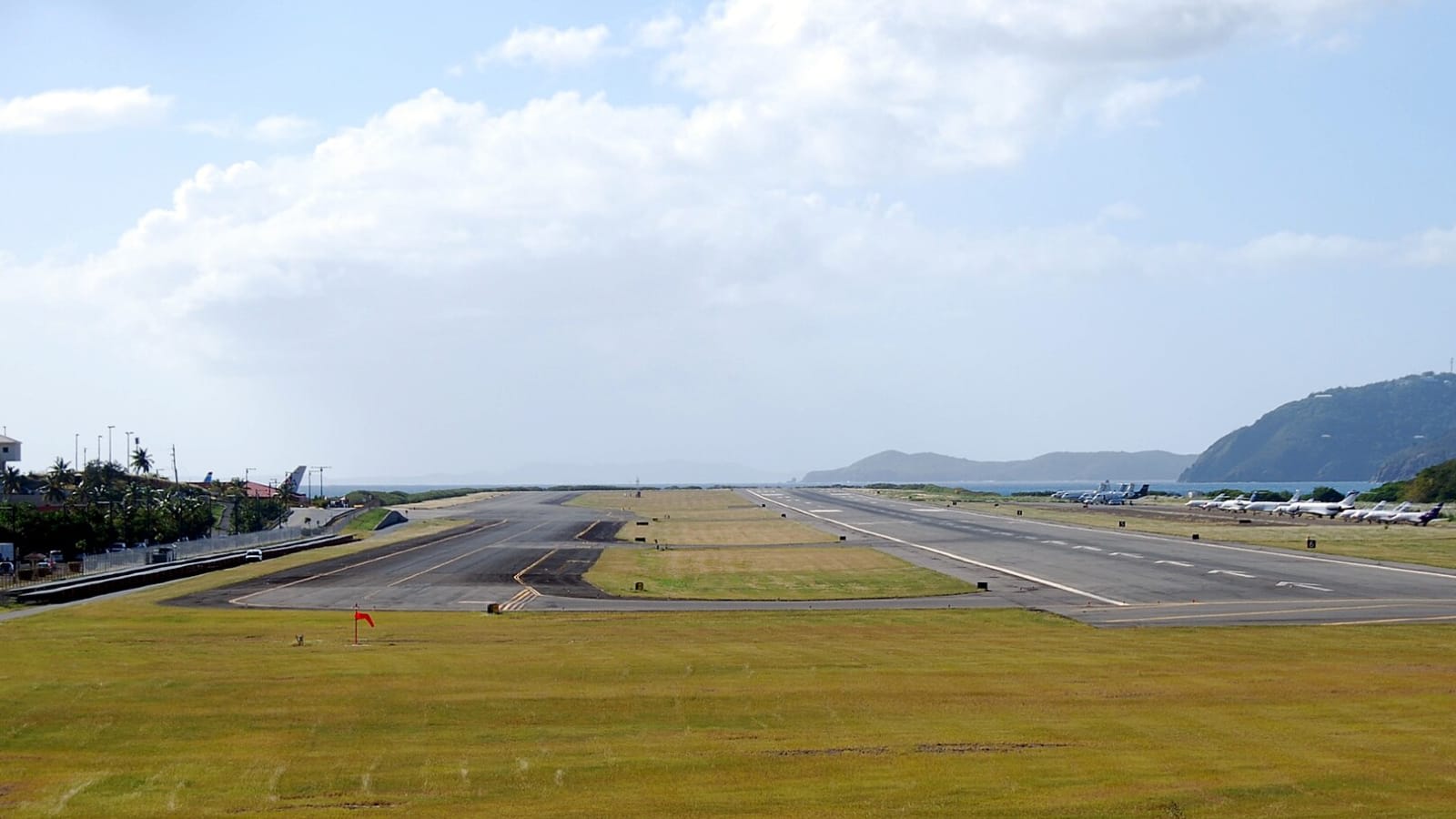
American Airlines Flight 1428, an Airbus A319 bound for Philadelphia, was lined up on runway 27 Right at Hartsfield-Jackson Atlanta International Airport on Sunday, 13 September. When the controller cleared the flight for takeoff, the pilot hesitated, citing the larger plane that had departed just ahead of them.
"Yeah, we need a little bit more time for that separation," the pilot said, according to radio archivism of the exchange.
In calm weather, the invisible, swirling air currents left behind by a larger aircraft's wings — known as wake turbulence — can linger over a runway. This poses a severe hazard to smaller aircraft taking off immediately behind them, potentially causing them to roll violently close to the ground.
The radio exchange
The controller immediately cancelled the takeoff clearance and ordered the Airbus to taxi off the runway. But once the aircraft was clear, the professional exchange deteriorated into a sharp verbal clash.
"Next time you need more than standard separation, you need to notify us prior to taking the runway," the controller lectured the crew over the frequency.
The pilot snapped back. "Just for your information, we do not carry your separation manuals in our flight deck," he said. "You cleared us for takeoff behind a 757 with winds calm. I don't think that's a proper separation for wake turbulence."
"There is no wake turbulence separation, man," the controller replied.
"Okay, let us fly the airplane," the pilot said. "You guys can, uh, do your job."
Taking the criticism personally, the controller immediately issued a "possible pilot deviation" warning — a formal advisory that can lead to a federal aviation investigation — and gave the crew a phone number to call.
Who was right?
Under Federal Aviation Administration guidelines, the controller was technically correct. Standard regulations do not mandate an extra wake-turbulence spacing interval between a Category E aircraft (the Boeing 757) and a Category F aircraft (the Airbus A319).
However, safety regulations also dictate that a pilot has the ultimate authority to refuse any clearance they believe compromises the safety of their aircraft. If a crew is uncomfortable with the conditions, they are legally entitled to ask for an amended clearance.
Later, a pilot from a passing Frontier Airlines flight offered support to the controller over the radio, saying, "You guys do great work today."
"I appreciate it," the controller replied. "I’ve been doing it for 26 years. I don’t need some pilot telling me how to do my job."
Despite the heated words and the detour off the runway, flight tracking data showed the American Airlines flight eventually took off and landed in Philadelphia 14 minutes ahead of schedule.
Key numbers
- AA1428
- N812AW
- Sunday, 13 September