
Delhi Police deny permission for Cockroach Janta Party Jantar Mantar protest
The force cited late notice and previous breaches of undertakings as 57 metro stations face closures ahead of the planned demonstration.
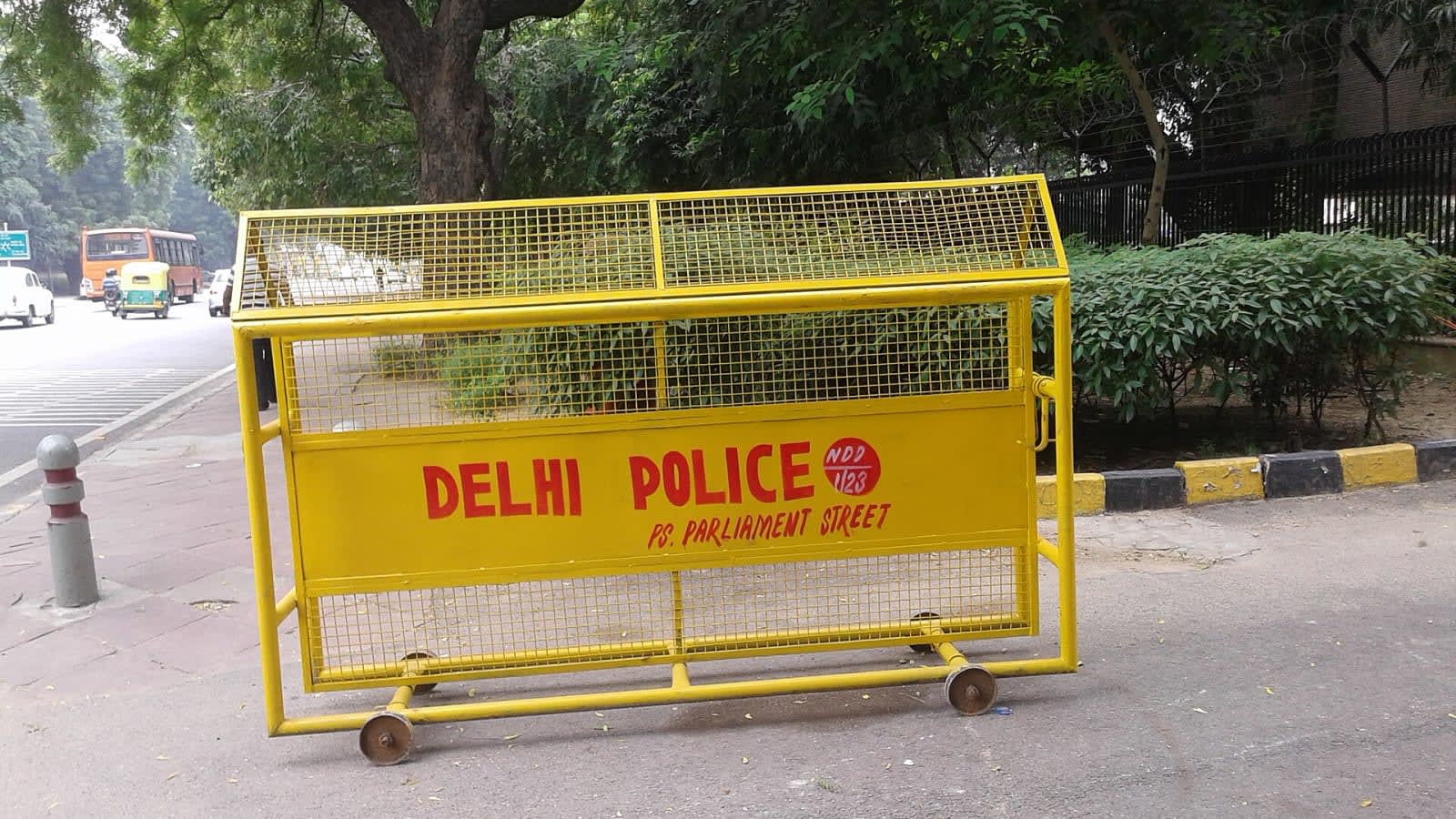
Delhi Police have refused permission for the Cockroach Janta Party (CJP) to hold a planned protest at Jantar Mantar on Thursday, 10 October, warning that the demonstration is unauthorised.
Joint Commissioner of Delhi Police Nupur Prasad said the pressure group’s formal notification, submitted by CJP co-convener Saurav Das, arrived too late. Under official guidelines, organisers must submit protest notifications at least 10 days before any planned event. Das had submitted the paperwork just days prior to the proposed date.
Why Delhi Police rejected the CJP protest
Beyond the timing, the police also pointed to the group's past conduct. During their last demonstration, CJP organisers allegedly failed to follow legal directions and violated their own written undertakings.
Prasad confirmed that the request had been formally rejected to maintain public safety, traffic flow, and general law and order.
Tightened security and metro closures
In anticipation of the gathering, security has been heavily tightened. Barricades have been set up around Jantar Mantar, Tolstoy Marg, and Janpath, and prohibitory orders have been imposed across the New Delhi district.
To control crowd movement, the police have requested the Delhi Metro Rail Corporation (DMRC) to shut entry and exit gates at 57 metro stations from Friday night until Saturday. The affected stops include major transit hubs such as Rajiv Chowk, Central Secretariat, Patel Chowk, Janpath, Mandi House, and New Delhi.
The CJP’s planned agitation centres on a demand for the resignation of Chief Election Commissioner Gyanesh Kumar. The dispute comes amid wider political friction in the capital, where the opposition INDIA bloc has also been protesting and demanding Kumar's resignation over concerns regarding voting rights and the functioning of the Election Commission of India.
Supreme Court rules on policing protests
As tensions rise over the policing of demonstrations, the Supreme Court has separately weighed in on how officers handle public protests.
A bench led by Chief Justice of India Surya Kant recently rejected a petition that sought to give Delhi Police a "free hand" to deal with demonstrators. The court noted that many protesters are young students who should not be unnecessarily caught up in long-running legal proceedings.
"These are young students and protesters before us," the Chief Justice said. "We have to see their parents, we have to see they have a long life."
The court clarified, however, that its protective stance does not extend to anyone accused of serious offences or those identified as hardened criminals.
Key numbers
| What | Figure | Source |
|---|---|---|
| Notice period required for protests | 10 days | Joint Commissioner of Delhi Police Nupur Prasad |
| Metro stations requested to close | 57 | Delhi Police |
In this story
| Name | Role in the story |
|---|---|
| Nupur Prasad | Joint Commissioner of Delhi Police who announced the decision. |
| Cockroach Janta Party | The political pressure group organizing the protest. |
| Delhi Police | The law enforcement agency that denied permission for the protest. |


