Gen Z makes its mark in Rajasthan civic polls as BJP maintains statewide lead
While the ruling BJP stayed on top overall, a new generation of 21-year-old councillors and a surge of independents have disrupted the state's traditional political map.
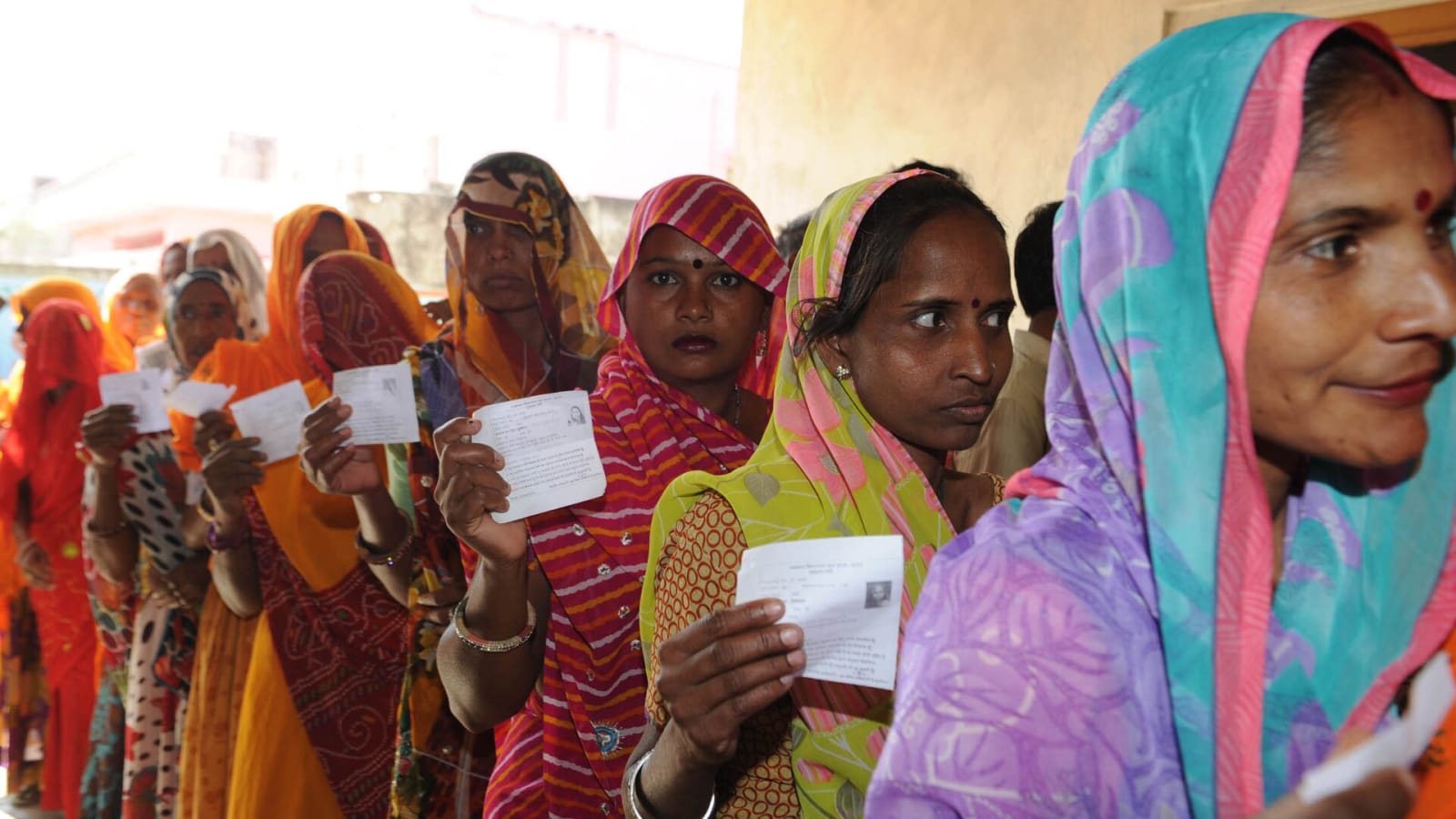
A group of 21-year-olds is set to enter local government in Rajasthan after winning seats in the state’s massive urban civic polls. Their victories come amid a broader political shift that saw the ruling Bharatiya Janata Party (BJP) maintain its statewide dominance, even as the opposition Congress and a wave of independent candidates made significant inroads in key districts.
To contest municipal elections in Rajasthan, candidates must be at least 21 years old. A handful of Gen Z candidates scraped past that threshold to win.
Among them is Faiz Hasan, a 21-year-old Congress candidate who won Ward 71 of the Jaipur Municipal Corporation. Hasan polled 5,426 votes, narrowly defeating independent challenger Mohammad Salim by 170 votes. After his victory, Hasan told reporters that his immediate focus would be on solving the sanitation and road construction issues he campaigned on.
In Alwar’s Thanagazi municipality, 21-year-old Neha Sharma won Ward 6 for the BJP, defeating her Congress opponent by 101 votes—the highest winning margin for any BJP candidate in that municipality. Sharma, who worked as a journalist for local news organisations for four years before entering politics, is currently in Gurgaon, but her mother, Pooja Sharma, said the family was proud of her "day and night" campaign to win over voters.
Nearby in Jaipur's Ward 72, 22-year-old Suman Bhati won her seat for the Congress. Bhati, whose husband was active in university politics, announced plans to set up three public libraries and launch civil defence classes for women in her ward's informal settlements. "My focus will be on the overall development of my ward," Bhati said.
These young winners are entering a highly fractured local political scene. While the BJP maintained its statewide lead—winning more than 4,179 wards against the Congress’s 3,613 across more than 10,200 declared seats—the results showed deep vulnerabilities for the ruling party.
Independent candidates emerged as a powerful force, winning 2,273 wards across the state, making them decisive kingmakers in municipal boards where neither major party holds a clear majority. In Chief Minister Bhajanlal Sharma’s hometown of Bharatpur, independents won or led in 36 of the 65 municipal wards, leaving the BJP with just 20 and the Congress with seven.
The Congress also managed to breach traditional BJP strongholds. In Jhalawar, a district long dominated by former Chief Minister Vasundhara Raje, Congress won 18 of the 25 wards in the municipal council. In Pali, the home district of state BJP president Madan Rathore, Congress emerged as the single largest party with 29 seats to the BJP’s 21, even defeating the BJP in Rathore’s own ward.
Smaller parties also made unexpected gains. The Aam Aadmi Party (AAP) took control of the Baran Nagar Parishad by winning 31 of 60 wards, while the Communist Party of India (Marxist) won a majority in Nokha Nagar Palika.
Chief Minister Bhajanlal Sharma described the election as a "historic and magnificent victory" and a validation of the work done by his government and Prime Minister Narendra Modi. Sharma said the voters had backed his administration's performance over its first two and a half years in office.
However, state Congress president Govind Singh Dotasra dismissed the BJP’s celebratory tone. Dotasra claimed that the BJP’s vote share had dropped significantly from its Lok Sabha levels and accused the ruling party of manipulating ward boundaries. "In a major city like Jaipur, Congress is ahead of the BJP in total votes," Dotasra said, adding that the results showed the government had "completely failed" its first major local test.
With the 2028 assembly elections still more than two years away, both major parties now face the immediate task of wooing the hundreds of victorious independent councillors to form local administrations across the state.
Key numbers
- 5,426
- 4,179
- 3,613
- 2,273
- 21