Spanish Parliament rejects eviction freeze in blow to Pedro Sanchez
The rejection of the social package protecting vulnerable tenants until 2030 has triggered immediate demands for early elections.
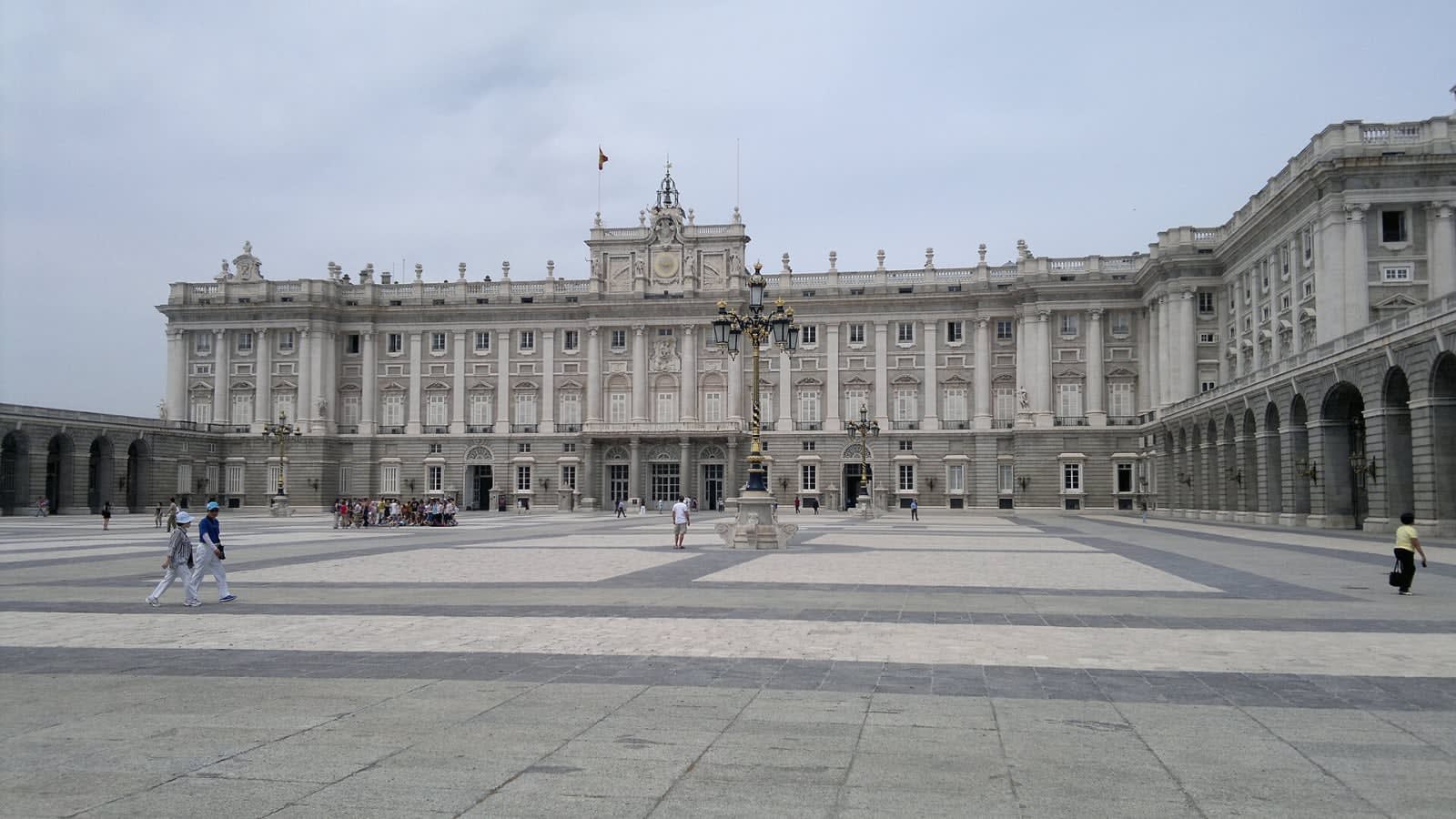
Spain’s minority government has suffered a major legislative defeat after lawmakers rejected a key housing bill that would have extended eviction protections for vulnerable tenants until 2030.
The vote on Friday, 2 October 2026, delivered a severe political blow to Prime Minister Pedro Sanchez. The lower house of the Spanish Parliament rejected the first of two planned executive decrees by a narrow margin of 178 votes to 172.
As the result became clear, the political fallout was immediate. Opposition parties and several of the government's own parliamentary allies quickly seized on the defeat to demand early general elections, arguing that Mr Sanchez’s fragile coalition no longer has the legislative strength to govern.
Protests on the streets of Madrid
The parliamentary debate took place against a backdrop of deep public anger over Spain's housing market. Outside the parliament building in Madrid, hundreds of demonstrators had gathered to watch the proceedings.
When news of the bill's defeat reached the crowd, protesters reacted with fury, chanting "shame" at the lawmakers inside.
Spain has been gripped by nationwide protests in recent months as citizens struggle with soaring rents, a shortage of affordable housing, and high inflation. The government’s proposed measures were intended to offer relief to those most affected by the crisis.
What was in the rejected bill
The defeated decree was part of a broader social package approved by Mr Sanchez’s cabinet earlier in the week. Its most prominent measure was the extension of a freeze on evictions for vulnerable families, which was originally introduced as an emergency measure during the Covid-19 pandemic and has since been repeatedly prolonged.
By stretching these protections to 2030, the government had hoped to provide long-term security to tenants facing financial hardship. However, the legislation failed to secure the necessary majority in the deeply divided chamber.
A fragile coalition under pressure
The defeat highlights the persistent vulnerability of Mr Sanchez's administration, which relies on a complex web of leftist, regional, and separatist parties to pass laws.
With the first housing decree defeated, the fate of the second government measure remains highly uncertain. The administration has not yet stated how it plans to proceed with its housing agenda or whether it will attempt to renegotiate the terms of the eviction protections.
However, with both opponents and former allies now pushing for a fresh public vote, the housing crisis has rapidly evolved into a major political challenge for the Prime Minister.
Key numbers
| What | Figure | Source |
|---|---|---|
| Votes against the measure | 178 | Spanish Parliament vote result |
| Votes in favour of the measure | 172 | Spanish Parliament vote result |
| Eviction protection extension year | 2030 | Government housing decree text |
| Date of parliamentary vote | 2 October 2026 | Spanish Parliament records |
In this story
| Name | Role in the story |
|---|---|
| Pedro Sánchez | Prime Minister of Spain whose government housing decree was rejected by parliament. |
| Spanish Parliament | The legislature that voted to reject the government's eviction freeze protections. |