ISRO sets October 30 launch for NVS-03 satellite to boost NavIC navigation system
The 2,232-kilogram satellite carries an indigenous atomic clock designed to restore and fortify India's independent positioning network.
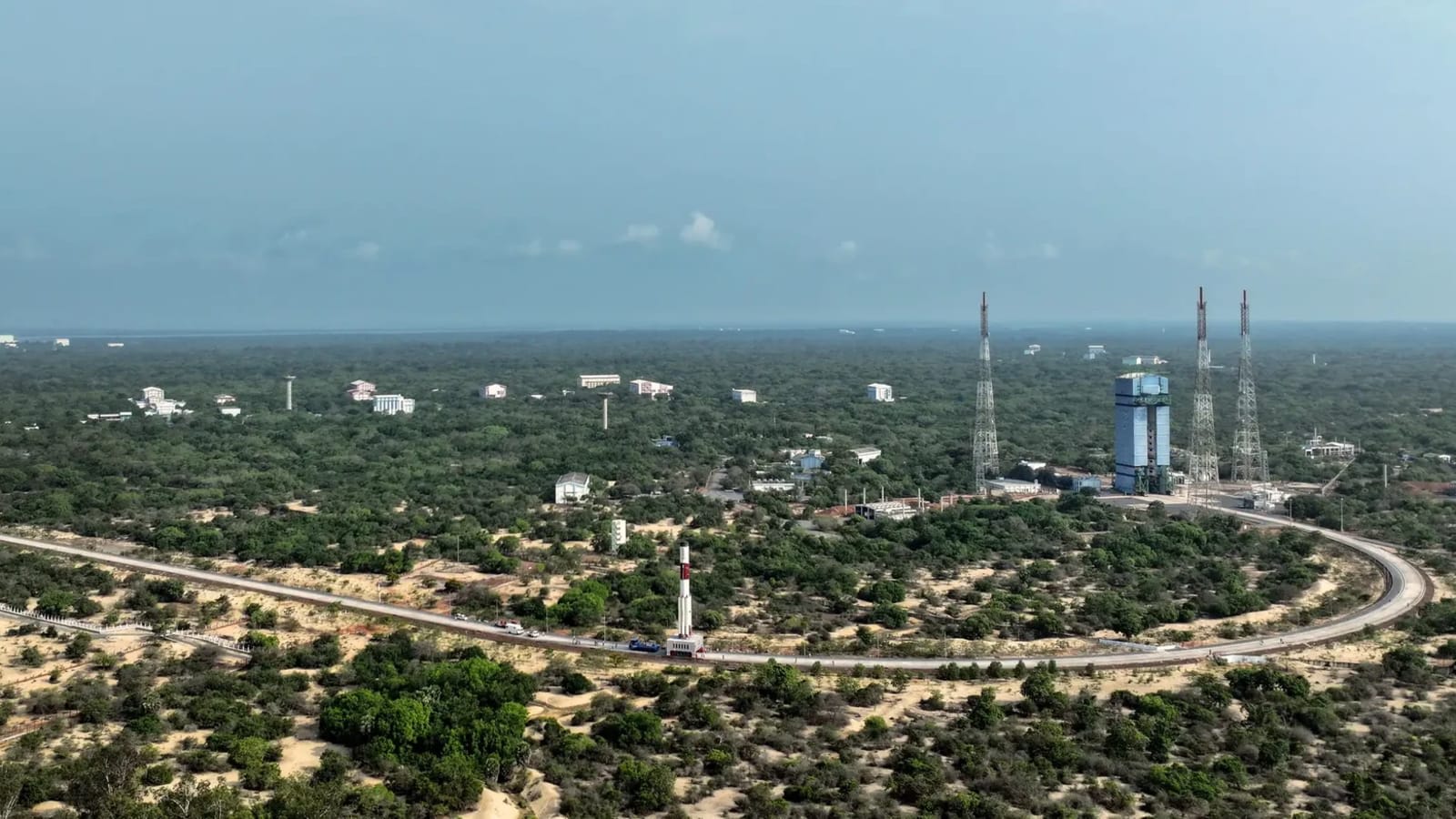
The Indian Space Research Organisation will launch its NVS-03 navigation satellite on 30 October 2026 from the Satish Dhawan Space Centre at Sriharikota. The 2,232-kilogram satellite will lift off aboard a Geosynchronous Satellite Launch Vehicle Mark II rocket, marking a major step forward in reinforcing India's independent satellite navigation network.
NVS-03 is the twelfth satellite overall in the Indian Regional Navigation Satellite System, commercially known as NavIC, and the third in its second-generation NVS series. The mission carries a state-of-the-art Rubidium atomic clock developed indigenously by the Space Applications Centre in Ahmedabad. Precision timekeeping is fundamental to satellite navigation, allowing ground equipment to calculate exact locations by measuring signal travel times. By deploying a home-grown atomic clock, India continues to replace imported hardware with self-reliant technology across its strategic infrastructure.
Key details of the NVS-03 mission
| Feature | Details |
|---|---|
| Satellite launch mass | 2,232 kg |
| Planned mission duration | 12 years |
| Launch vehicle | GSLV Mk II |
| Primary payload | Indigenous Rubidium atomic clock |
| Payload developer | Space Applications Centre, Ahmedabad |
| Launch location | Sriharikota, Andhra Pradesh |
NavIC delivers precise positioning, navigation, and timing services across India and extends roughly 1,500 kilometres beyond the nation's borders. The system provides a Standard Positioning Service for everyday civilian applications alongside a Restricted Service reserved for authorised strategic users. Ageing satellites in the original constellation have experienced technical degradation over time, affecting standalone positioning performance. The deployment of NVS-03 is designed to restore service capabilities and maintain continuous regional coverage.
The GSLV Mk II launch vehicle carrying NVS-03 features a three-stage propulsion system utilizing solid, liquid, and cryogenic stages to place the satellite into orbit. The launch was originally scheduled for late 2025 before being adjusted to late October 2026, with ISRO taking a deliberate and methodical approach to flight preparations to ensure full mission success.
Key numbers
| What | Figure | Source |
|---|---|---|
| Satellite launch mass | 2,232 kg | ISRO |
| Planned lifespan | 12 years | ISRO |
| NavIC extended coverage area | 1,500 km beyond Indian borders | ISRO |
| Scheduled launch date | 30 October 2026 | ISRO |
In this story
| Name | Role in the story |
|---|---|
| NavIC | India's independent regional satellite navigation system. |
| NVS-03 | Twelfth navigation satellite in the NavIC system being launched. |
| ISRO | National space agency conducting the satellite launch. |