Nobel Prize in Chemistry awarded to Henri B. Kagan and Kenso Soai for solving mystery of life's asymmetry
The French and Japanese scientists have been honoured for explaining why life's building blocks only use one "handedness" of a molecule.
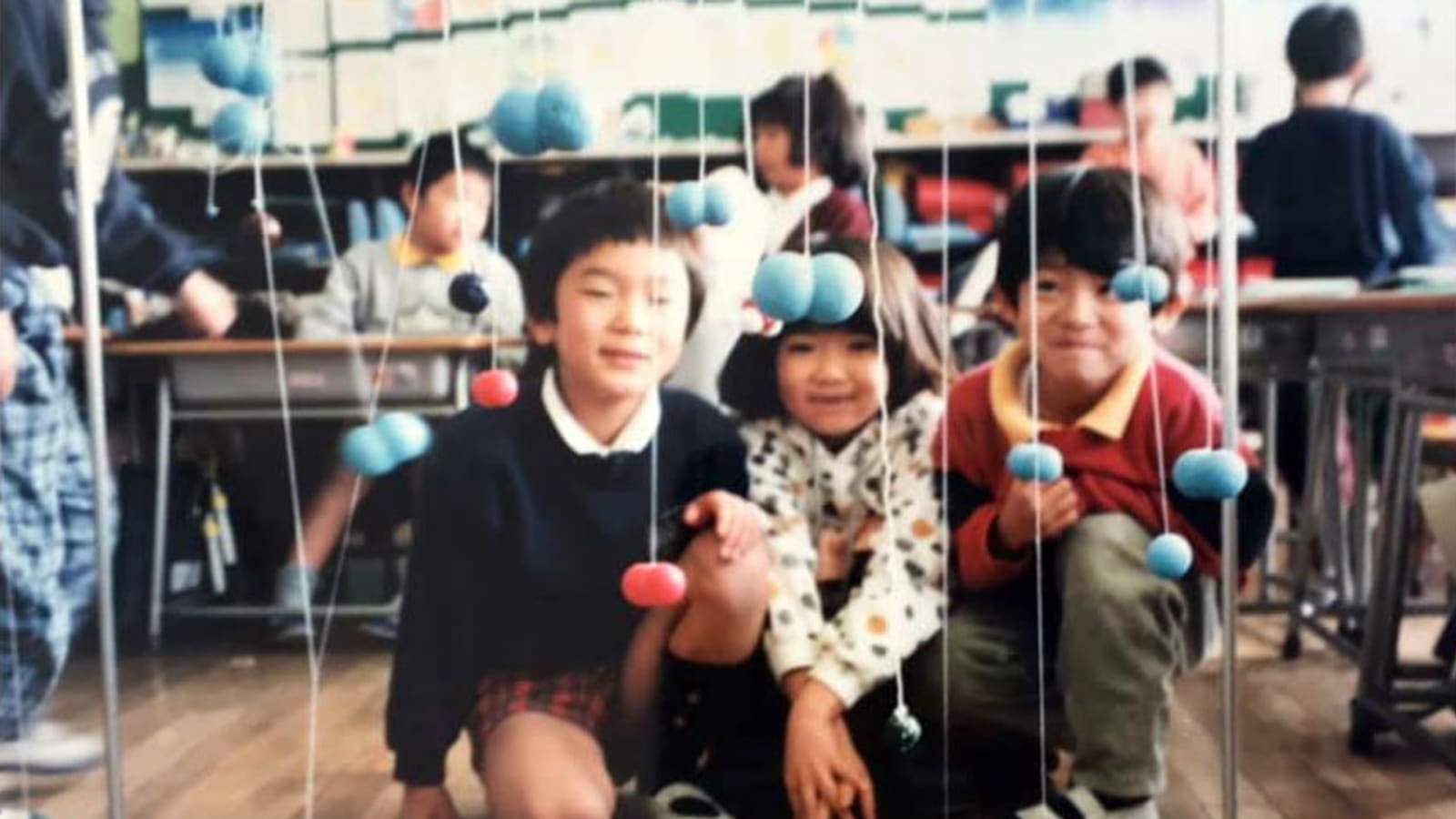
French chemist Henri B. Kagan and Japanese chemist Kenso Soai have been awarded the Nobel Prize in Chemistry for solving one of biology's most fundamental puzzles: why the molecular building blocks of life are asymmetrical.
According to the Nobel Committee, the two researchers provided the solution to a long-standing chemical mystery. They explained why life on Earth consistently favours one specific mirror-image version of a molecule over its twin.
Why molecular asymmetry matters
This characteristic, known in organic chemistry as chirality, is fundamental to how living organisms are constructed. Many essential biological molecules, such as the amino acids that form the building blocks of proteins, exist in two distinct forms that are exact mirror images of each other.
To visualise this, chemists often use the analogy of human hands. Your left and right hands look identical in structure, but they are symmetrical opposites. No matter how you rotate them, you cannot perfectly align or superimpose your left hand over your right hand. In the same way, chiral molecules have the same chemical formula but different physical shapes.
In the wider chemical world, standard laboratory reactions usually produce an equal, 50-50 mix of both left- and right-handed molecules. Yet the biological machinery of living organisms on Earth only functions with one version.
The problem with mirror-image molecules
Understanding why life made this exclusive choice, and how to replicate that bias in a laboratory, has been a major scientific hurdle. Kagan and Soai solved the puzzle by figuring out how to design chemical reactions that selectively produce much more of the correct, desired version of a molecule.
This breakthrough has profound implications for modern medicine. When pharmaceutical companies develop new drugs, chirality is a massive factor. One handedness of a molecule might possess powerful disease-fighting properties, while its mirror image does absolutely nothing—or could even cause unwanted effects.
How the scientists solved the mystery
Before their work, separating these mirror images or forcing a reaction to produce only one version was incredibly difficult.
By showing how to steer chemical reactions toward producing just one specific mirror image, the two laureates have given chemists the tools to create safer, more effective treatments. Their pioneering work bridged the gap between a fundamental biological mystery and a highly practical industrial application, forever changing how we look at the chemistry of life.
Key numbers
| What | Figure | Source |
|---|---|---|
| Laureates | Henri B. Kagan and Kenso Soai | Nobel Committee |
| Field of research | Chirality (molecular asymmetry) | Nobel Committee |
In this story
| Name | Role in the story |
|---|---|
| Kenso Soai | Awarded the Nobel Prize in Chemistry for his work on molecular asymmetry. |
| Henri B. Kagan | Awarded the Nobel Prize in Chemistry for his work on molecular asymmetry. |