Activist demands accountability in Balaghat after infectious diseases kill dozens of children
The Cockroach Janta Party leader's visit to affected villages follows a High Court notice over severe hospital overcrowding and contaminated drinking water.

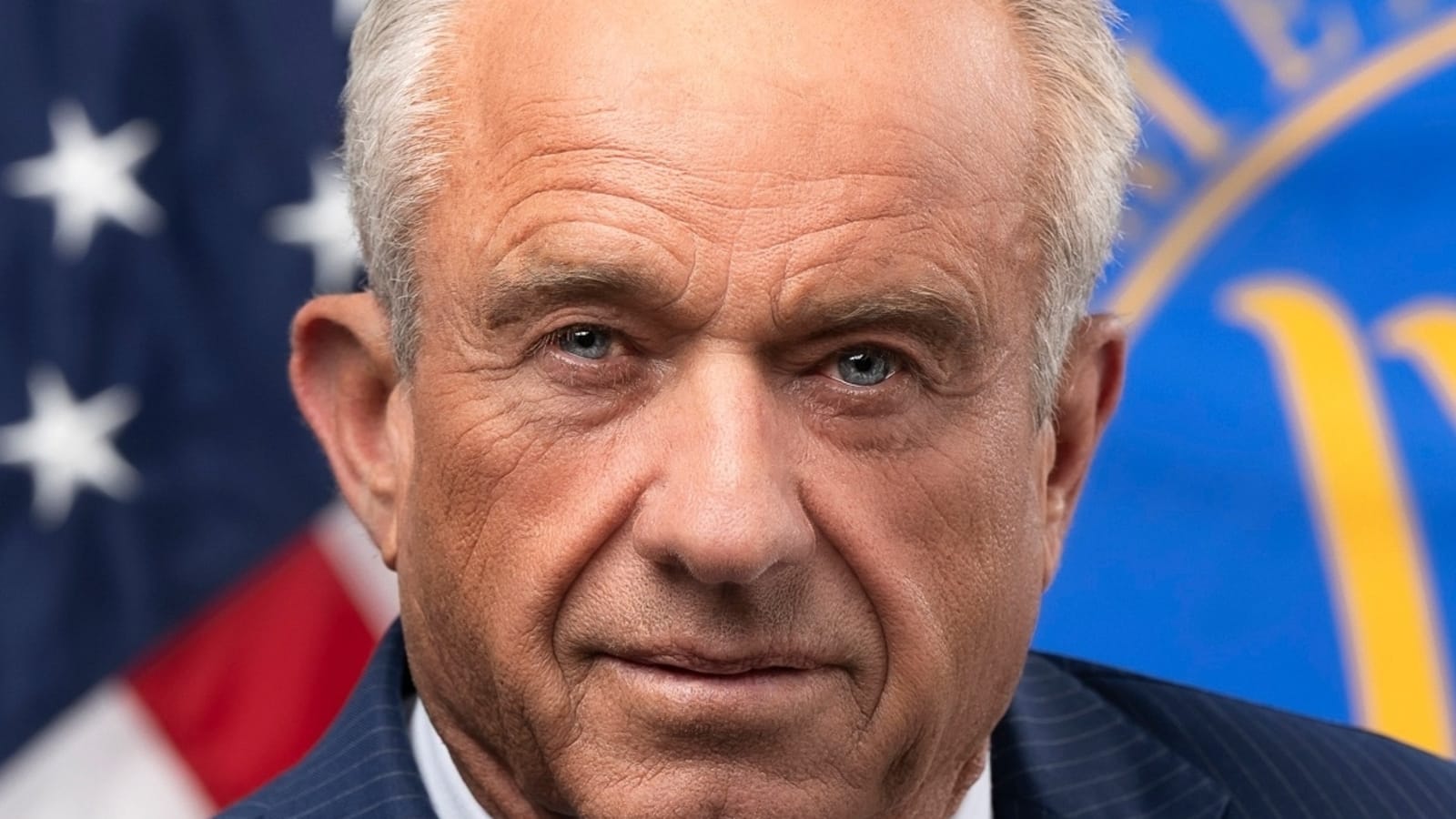
The leader of the Cockroach Janta Party, Abhijit Dipke, has visited several tribal villages in Madhya Pradesh’s Balaghat district to demand accountability for the deaths of more than 30 children from infectious diseases.
On Saturday, Dipke, accompanied by local youth, travelled to the villages of Adori, Korka, and Bondari. His goal was to meet grieving families and gather firsthand details on the collapse of local healthcare and sanitation.
His visit follows a major intervention by the Madhya Pradesh High Court, which recently demanded answers from the state government over the tragedy.
"We completely sympathise with families who have lost their children and will definitely come forward to ensure justice for them," Dipke told reporters during his visit. He criticised local authorities for failing to penalise anyone, despite acknowledging the scale of the crisis. "We have come only to fix responsibility and accountability," he said.
Systemic failures in tribal areas
The crisis in Balaghat's tribal belt has drawn intense judicial scrutiny. Earlier in the week, the Jabalpur Bench of the High Court, comprising Acting Chief Justice Vivek Rusia and Justice Pradeep Mittal, issued notices to the state's Health Department, the Women and Child Development Department, and the Balaghat Collector.
The court was acting on a public interest litigation that painted a grim picture of the region's public services. According to the petition, local medical facilities have been completely overwhelmed, with approximately 400 children being treated at a hospital built with a capacity of just 50 beds.
The legal challenge also pointed to deeper systemic failures in basic infrastructure. It alleged that handpumps in the affected villages have been pumping out yellow, contaminated water, and that local women and children have gone without nutritious food supplies for several months.
While the local administration has acknowledged the deaths, no official has yet been suspended or held responsible. The High Court's intervention and the growing pressure from political activists have now forced the state government to address how basic public health services were allowed to deteriorate so severely in these remote communities.
Key numbers
- More than 30
- 50 beds
- Around 400