Olympic rowing venue with 500 crocodiles cleared for Brisbane 2032
Despite safety fears and protests from athletes over the remote location, international sports federations have backed the Rockhampton venue.
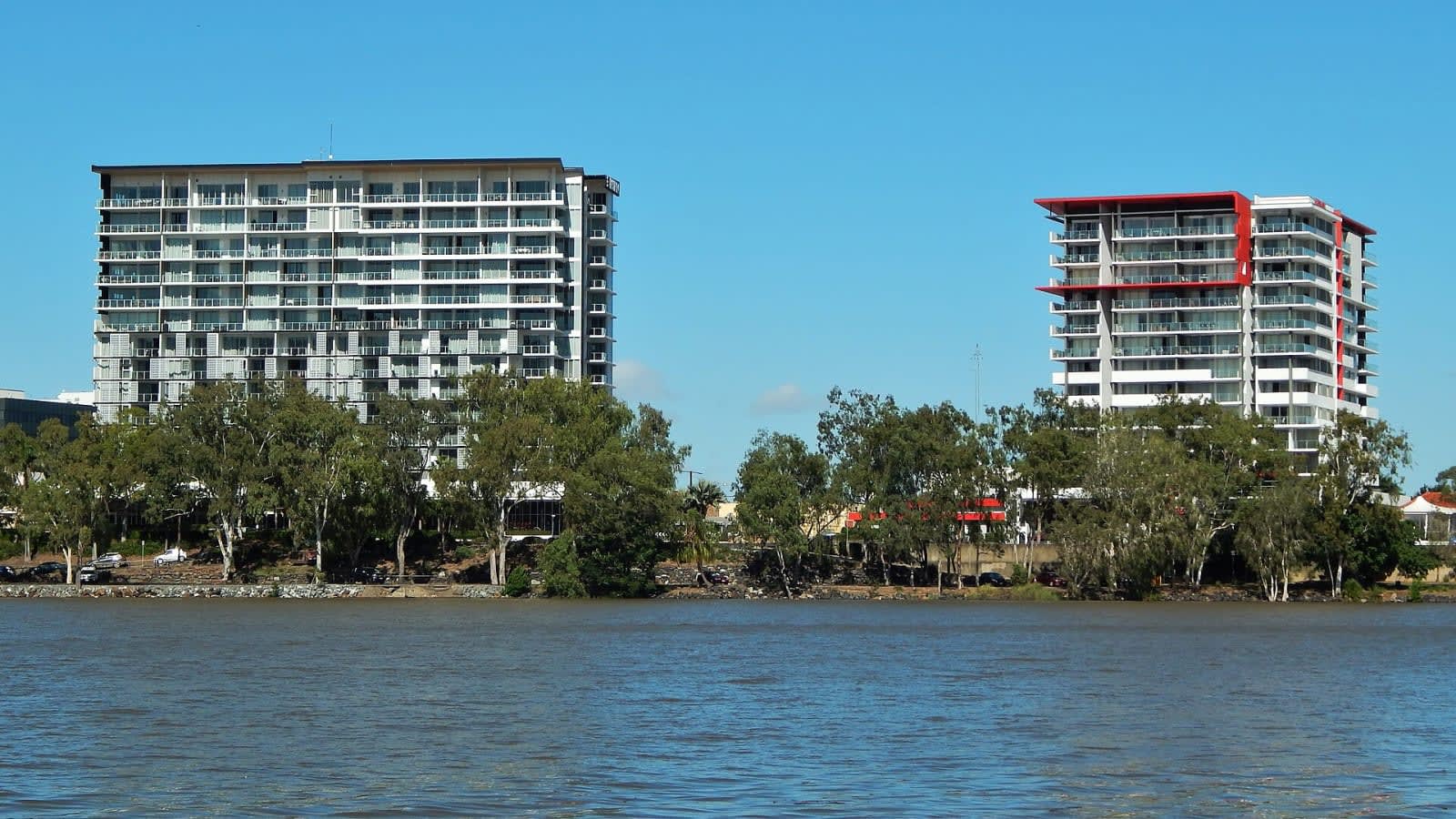
An independent technical review has cleared the Fitzroy River in Rockhampton—a waterway home to an estimated 500 saltwater crocodiles—to host the rowing and canoeing events for the Brisbane 2032 Olympic and Paralympic Games.
The decision, which has secured the backing of international sporting bodies, comes with a striking caveat. The technical assessment commissioned by the Games Independent Infrastructure and Coordination Authority did not actually evaluate the risks posed by the apex predators. Instead, the study focused entirely on how the course would perform under different weather patterns, changing water levels, and potential flood risks during the games.
Why is the Fitzroy River controversial?
Saltwater crocodiles, known locally as "salties", are highly territorial, can live in both fresh and saltwater, and are capable of growing to more than six metres in length. The prospect of athletes racing in thin, capsizable carbon-fibre boats alongside hundreds of giant predators has naturally raised eyebrows.
However, organisers insist the venue is safe. The Fitzroy River is already a well-established hub for flatwater sports, regularly hosting state school championships, local regattas, and training camps for Australia’s national team.
Olympic officials have previously been assured that robust safety protocols and contingency plans are already in place for whenever a crocodile is spotted near the course.
Brisbane 2032 President Andrew Liveris has previously shrugged off safety fears about the local wildlife, comparing the situation to other water sports. "There are sharks in the ocean and we're still surfing," Liveris said last year, urging critics to adopt a "can-do" mindset. Following the release of the report, Liveris said the technical endorsement would allow planners to focus their efforts on Rockhampton.
What do sports bodies and athletes think?
Both World Rowing and Paddle Worldwide, the governing body for canoeing, have endorsed the venue based on the technical findings. World Rowing President Jean-Christophe Rolland said the analysis proved the river could provide "fair competition conditions," while Paddle Worldwide President Thomas Konietzko said the research gave athletes confidence in the field of play.
However, the decision has drawn criticism from within the sport. Drew Ginn, a three-time Olympic gold medallist rower for Australia, questioned whether international competitors should be placed in such a situation. While Ginn joked that a nearby crocodile might make athletes row faster, he expressed genuine concern about the logistics of managing the wildlife, including the possibility of having to relocate crocodiles.
For Ginn, the location presents other significant drawbacks. Rockhampton is situated roughly a six-to-seven-hour drive north of the main host city of Brisbane, a distance he believes will isolate competitors and ruin the festival atmosphere of the Games.
He also remains sceptical about the river's fairness as a racing venue, pointing out that natural variations in flow could disadvantage rowers depending on which lane they are assigned. "I just don't think it's right for the Olympic Games to spread the venues out in such a way that jeopardises the experience for the athletes and spectators," Ginn said.
Key numbers
- 500
- 6 to 7 hours