Spanish Grand Prix: Drivers warn of ‘high risk’ Madrid circuit after practice crashes
Arvid Lindblad’s heavy crash and a fiery F2 accident overshadow Formula One’s return to the Spanish capital.
Formula One’s return to the Spanish capital after a 45-year hiatus has got off to a dramatic start, with drivers warning of "very high risk" conditions after a series of heavy accidents disrupted Friday practice at the Spanish Grand Prix.
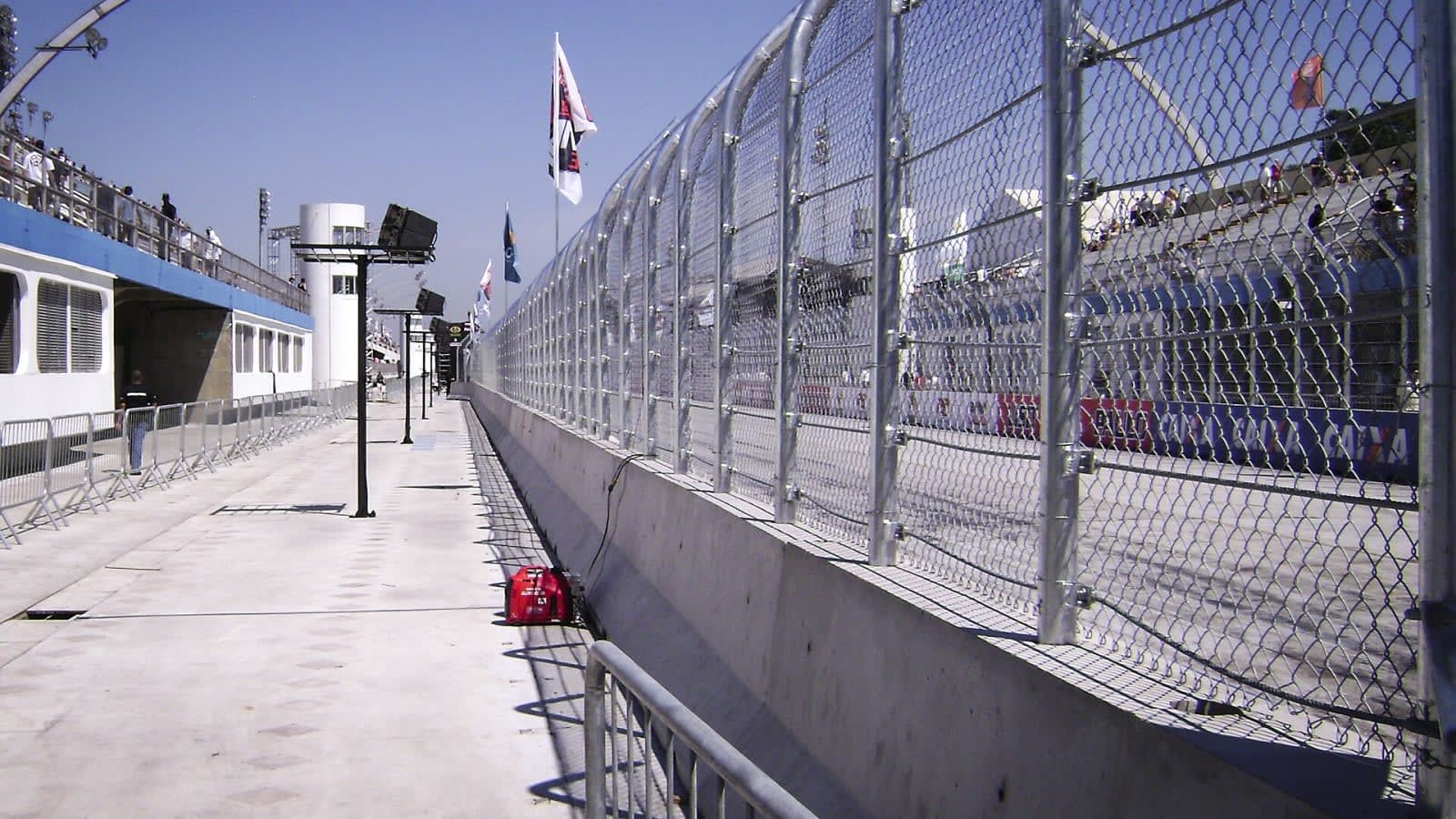
The brand-new Madring street circuit, characterised by close concrete barriers and high-speed blind turns, immediately proved to be as punishing as predicted.
What happened in Madrid practice?
The weekend’s first major casualty was British rookie Arvid Lindblad, who crashed his Racing Bulls car during the second practice session. The 19-year-old lost control at the long, left-handed Turn 13, sliding sideways into the wall and shattering his front wing while heavily damaging his suspension.
Earlier in the day, the dangers of the new venue were vividly illustrated when Thai driver Tasanapol Inthraphuvasak crashed his Formula Two car at Turn 19, causing it to burst into flames. Inthraphuvasak escaped uninjured, but the sight of the burning wreck on TV screens during an F1 media session prompted George Russell to describe the track as "mental."
Despite his crash, Lindblad ended the day an impressive fourth-fastest, just behind Lewis Hamilton's Ferrari. Championship leader Kimi Antonelli topped the timesheets for Mercedes, while McLaren's Lando Norris failed to set a time in the second session due to a gearbox problem.
Why are drivers calling the circuit high risk?
Drivers had expressed fears about the track's layout before the sessions even began. Max Verstappen predicted the street circuit would be a "car killer," while Russell described it as having "less margin than Monaco, purely because of the speed."
"In Monaco, the walls are closer, but because you're going far slower, if you make a mistake, you're not into the wall as quickly," Russell said. "Here, there's less margin. The wall is sort of coming in at you."
Russell pointed specifically to the angles of the barriers at Turns Five, Seven, and 17, and warned that three downhill braking-while-turning zones would trigger frequent lock-ups. Ferrari's Charles Leclerc was among those who ran off the track at Turn 17 during practice.
What are the other challenges facing teams?
Beyond the physical danger of the walls, teams are grappling with extreme tyre degradation. The circuit's signature feature, a heavily banked, horseshoe-shaped corner called La Monumental, is putting immense stress on the tyres. Russell joked that, based on initial practice runs, a six-stop strategy would be the fastest way to complete Sunday’s race.
Mercedes deputy team principal Bradley Lord explained that the relentless sequence of corners gives the rubber no time to cool down. "You’ve got corner after corner after corner," Lord said, predicting that unusual thermal effects could force teams into unexpected pit stops.
Overtaking also looks set to be at a premium. Leclerc, who finished second-fastest in practice, noted that overtaking during race simulations felt "extremely difficult or impossible," making Saturday's qualifying session the critical moment of the weekend.
Key numbers
- 45
- 66
- 19
- 20