
Mumbai heatwave warning issued by IMD as temperatures climb to 37.6C
A yellow alert has been declared for the city and neighbouring districts just days after the monsoon withdrew.
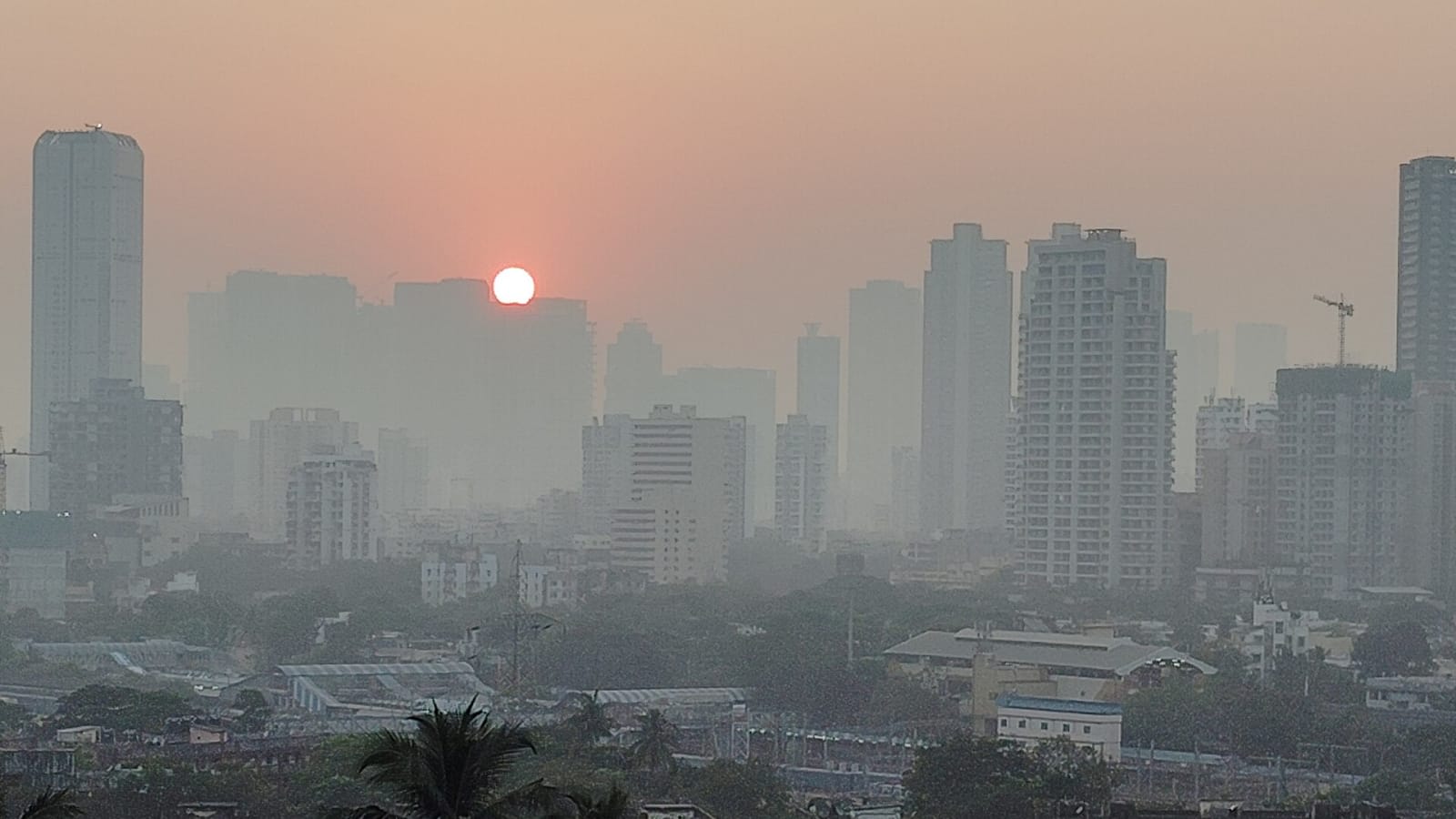
Mumbai has entered its first heatwave of the post-monsoon season. The India Meteorological Department (IMD) issued a yellow alert for Mumbai and neighbouring Raigad on Thursday, warning of hot, humid conditions across coastal Maharashtra.
The sudden spike in heat comes less than a week after the southwest monsoon officially withdrew from the region on 3 October. On Thursday, the weather station at Santacruz recorded a maximum temperature of 37.6C. That is 4.5C above what is typical for this time of year, making it the hottest day recorded in Mumbai so far in 2026. Nearby Colaba registered 36.5C, while the Thane-Belapur industrial belt sweltered at 37.2C.
Relative humidity has also stayed high, hitting 78% in Santacruz and 89% in Colaba, intensifying the discomfort.
Why is Mumbai so hot?
The rapid change in weather is down to a combination of dry atmospheric conditions and winds shifting direction. According to independent weather observer Abhijit Modak, a persistent high-pressure area over Gujarat, paired with easterly and northeasterly winds, is blocking the cooling sea breeze from reaching the Konkan coast.
This dynamic has allowed temperatures to climb rapidly during the daytime. Modak noted that the early withdrawal of the monsoon, combined with sparse rainfall in September and a lack of post-monsoon thunderstorms, has dried out the soil. Without moisture and cloud cover to absorb the solar energy, the land is heating up quickly. He warned that temperatures in Mumbai and the wider metropolitan region could climb to 39C, with the hot spell potentially peaking around 14 October.
The IMD classifies a heatwave along the coast when maximum temperatures reach at least 37C and remain at least 4.5C above the seasonal average for two days in a row.
How to stay safe during the heatwave
Health professionals are urging residents to take precautions. Dr Nitin Karnik, head of medicine at Sion Hospital, said the department sees a consistent pattern of heat exhaustion cases whenever temperatures spike. Symptoms typically include heavy sweating, dizziness, headaches, fatigue, and fainting, particularly among people who work outdoors.
The layout of the city is also making conditions worse. Dr Gautam Bhansali, a senior consultant physician at Bombay Hospital, explained that limited air circulation in built-up areas creates an urban heat island effect. Combined with high humidity, this causes rapid dehydration and can strain the kidneys. He advised people to stay hydrated and keep their heads covered when outside.
How wider Maharashtra is affected
The yellow alert issued on Thursday covers a broad swathe of Maharashtra's western belt, including Palghar, Thane, Mumbai, Raigad, Ratnagiri, Sindhudurg, Kolhapur, Satara, Sangli, and Solapur. While coastal areas face intense heat, southern districts like Kolhapur and Satara could see brief afternoon thundershowers.
Farmers in southern districts have been advised to harvest mature crops quickly and move them to dry storage to protect them from potential gusty winds and unseasonal rain. By Sunday, dry weather is expected to return across the entire state, with the IMD expecting temperatures to normalise completely by Monday, 12 October.
Key numbers
| What | Figure | Source |
|---|---|---|
| Santacruz maximum temperature | 37.6C | India Meteorological Department |
| Santacruz departure from normal | 4.5C above normal | India Meteorological Department |
| Colaba maximum temperature | 36.5C | India Meteorological Department |
| Thane-Belapur maximum temperature | 37.2C | India Meteorological Department |
In this story
| Name | Role in the story |
|---|---|
| Mumbai | The primary city experiencing the post-monsoon heatwave. |
| India Meteorological Department | Issued the yellow alert and heatwave warning for Mumbai and surrounding districts. |


