Antonio Guterres sidesteps Kashmir question to warn of UN Security Council crisis
The UN Secretary-General said the Security Council's outdated makeup has left it with a crisis of effectiveness and legitimacy.

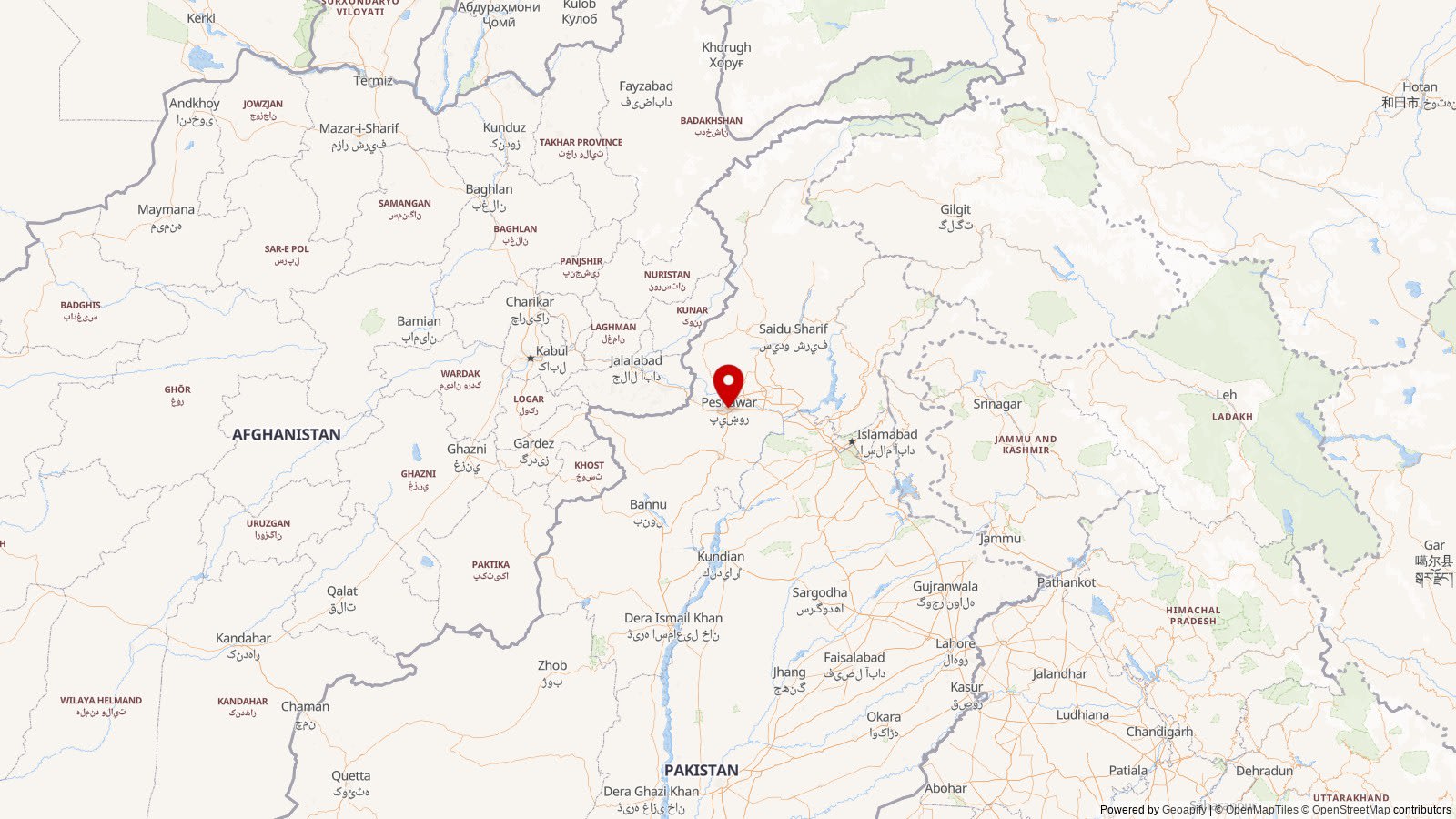
UN Secretary-General António Guterres has used a visit to Islamabad to bypass a direct question on the Kashmir dispute, choosing instead to target the UN Security Council itself for facing a "crisis of legitimacy".
Speaking at a joint press conference alongside Pakistan's Deputy Prime Minister and Foreign Minister, Ishaq Dar, Guterres was pressed by a local journalist on unimplemented UN resolutions regarding Jammu and Kashmir. Rather than addressing the specific dispute, Guterres offered a generic diplomatic response, stating that "all problems can be solved by peace and dialogue" and offering his "good offices" to assist.
He then immediately pivoted to a sharp critique of the Security Council's structure, which he argued is hopelessly out of step with the modern world.
Why is there a UN Security Council crisis of legitimacy?
"The question of the Security Council is simple: the Security Council does not represent the world of today," Guterres said. "Just to give an example, we have three European members in the Security Council and no African member in the Security Council — I mean permanent members."
This imbalance, he added, means the body suffers from a fundamental problem of legitimacy and effectiveness.
He went further, accusing the world’s most powerful nations of undermining the very rules they are meant to uphold. Guterres warned that some permanent members are "the first to start conflicts," creating a dangerous global environment where other countries believe "they can do whatever they want because nothing will happen to them."
The UN chief’s three-day working visit, which comes ahead of the end of his second term in December, took place against a backdrop of deep regional friction. Guterres later held separate meetings with Prime Minister Shehbaz Sharif and Chief of Defence Forces Field Marshal Asim Munir.
What is the status of the Indus Waters Treaty?
During those talks, Pakistani leaders pushed their own regional priorities. Both Sharif and Munir raised India's decision to place the bilateral Indus Waters Treaty in abeyance. Islamabad argues that New Delhi’s unilateral suspension of the water-sharing agreement has no legal basis.
India suspended the treaty last year following a major terrorist attack on 22 April 2025 in Pahalgam, Jammu and Kashmir, which left 26 people dead. In the aftermath of that attack, India launched military strikes, dubbed Operation Sindoor, against suspected training camps in Pakistan and Pakistan-administered Kashmir, leading to brief military hostilities before a ceasefire was established.
How did India respond to Pakistan's Kashmir claims?
While Pakistani officials urged Guterres to help resolve the Kashmir and water disputes, India delivered a sharp rebuke from a separate international forum. Speaking at the Inter-Parliamentary Union assembly in Arusha, Tanzania, Rajya Sabha Deputy Chairman Harivansh accused Pakistan of using international platforms to peddle "baseless allegations".
Harivansh reiterated New Delhi’s long-standing position that Jammu, Kashmir, and Ladakh remain "integral and inalienable parts of India."
Despite the regional friction, Guterres praised Pakistan’s diplomatic efforts on other fronts. He commended Islamabad for its role in mediating talks between the United States and Iran, which led to the Islamabad Memorandum of Understanding and a subsequent ceasefire. Guterres also paid tribute to Pakistan’s heavy contributions to UN peacekeeping operations, noting that the country had "endured immense suffering" of its own in the fight against terrorism.
Key numbers
| What | Figure | Source |
|---|---|---|
| Pahalgam terror attack death toll | 26 | Indian and Pakistani military officials |
| UN Security Council European permanent members | 3 | Antonio Guterres |
| UN Security Council African permanent members | 0 | Antonio Guterres |
In this story
| Name | Role in the story |
|---|---|
| UN Security Council | The international body criticised by Guterres for lacking legitimacy. |
| Pakistan | The host country of the UN Secretary-General's three-day visit. |
| António Guterres | UN Secretary-General who visited Pakistan and commented on UNSC reform. |
| Jammu and Kashmir | The disputed region at the center of the diplomatic clash. |