BRICS Parliamentary Forum in Delhi ends with calls for UN reform and fight against terror
Presiding officers from member nations adopt a joint declaration in New Delhi urging UN Security Council reforms and zero tolerance for terrorism.
What was agreed at the New Delhi forum
The 12th BRICS Parliamentary Forum concluded in New Delhi on Tuesday with member nations issuing a joint declaration calling for urgent reforms to the United Nations Security Council, zero tolerance for terrorism, and a stronger voice for the Global South in international governance.
Hosted in the Central Hall of Samvidhan Sadan under the theme "Strengthening Parliaments for People-Centric Development", the two-day summit brought together parliamentary leaders from member states including Brazil, China, Egypt, Ethiopia, India, Indonesia, Iran, Russia, South Africa, and the United Arab Emirates.
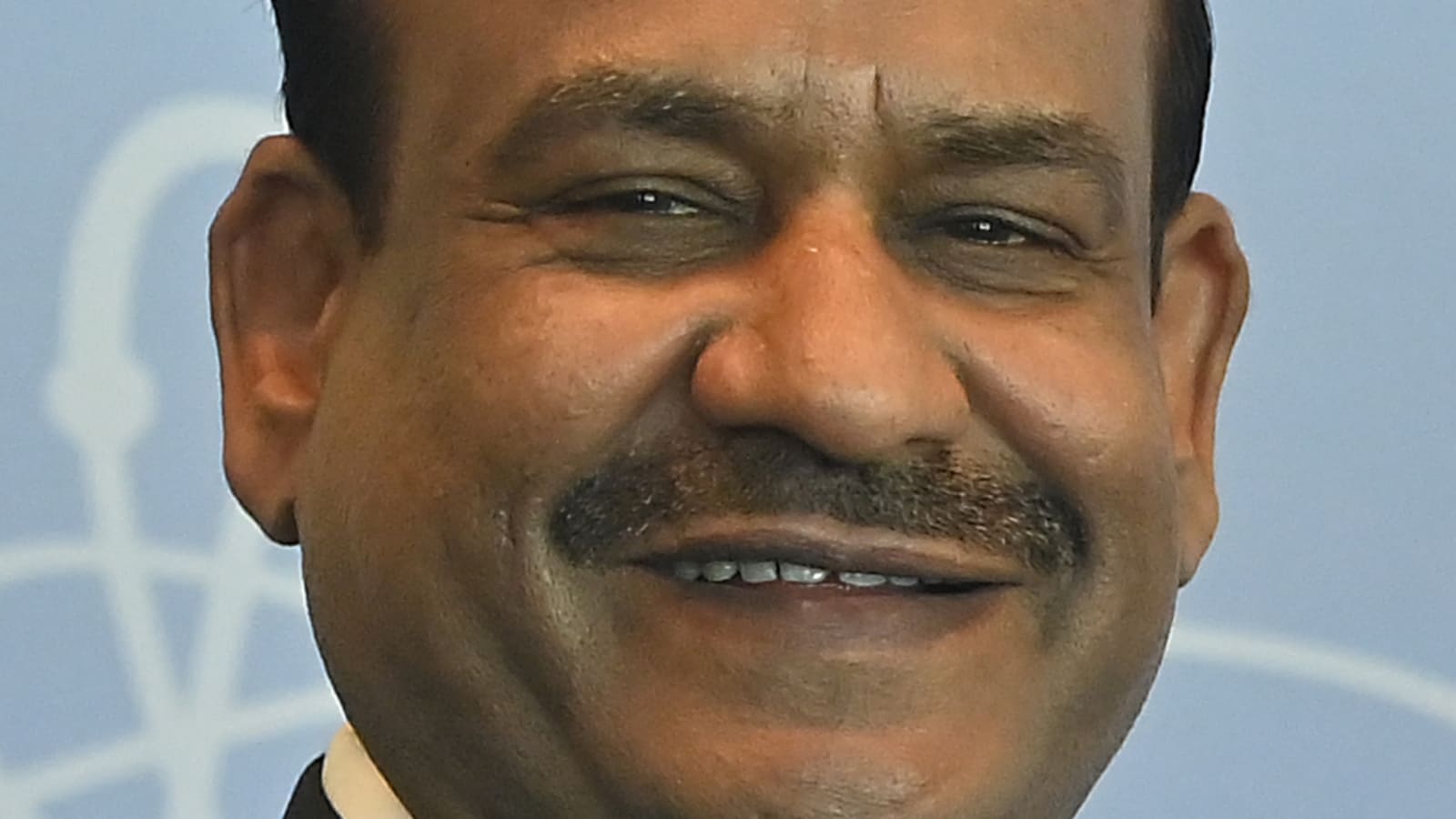
In his inaugural address, Lok Sabha Speaker Om Birla urged delegates to focus on practical results rather than discussions alone, stating that the success of the grouping depends on translating legislative dialogue into visible improvements for citizens. Prime Minister Narendra Modi met parliamentary delegations at Samvidhan Sadan and joined presiding officers for a group photograph during the summit.
Condemnation of terrorism and support for UN reform
The joint declaration condemned all acts of terrorism as criminal and unjustifiable, rejecting any double standards in countering terror threats. Pointing to specific security challenges, the forum explicitly condemned the Pakistan-backed terrorist attack in Jammu and Kashmir's Pahalgam on 22 April 2025, which claimed 26 lives.
Participating nations urged the swift finalisation of the Comprehensive Convention on International Terrorism within the UN framework and demanded decisive action against all UN-designated terrorist entities.
On global governance, delegates reaffirmed the consensus of the New Delhi Declaration, insisting that the international security architecture must adapt to modern realities. The joint statement called for a comprehensive overhaul of the UN Security Council to make global decision-making more equitable, representative, and democratic for developing nations.
Economic stability, technology, and India's 2026 chairship
Addressing economic pressures, the declaration criticized unilateral sanctions and coercive measures, noting their detrimental impact on food security, public health, and human rights. Delegates also endorsed a two-state solution to the Israeli-Palestinian conflict and urged maximum restraint to prevent further escalation across West Asia.
On technology and development, member parliaments supported proposals for a BRICS digital public infrastructure repository, emphasizing equitable access to artificial intelligence and safe utilization of digital tools while protecting data privacy and national sovereignty.
The delegates expressed unanimous support for India's 2026 BRICS Chairship, framed around the theme "Building for Resilience, Innovation, Cooperation and Sustainability", and reaffirmed their commitment to deepening legislative cooperation across economic, security, and cultural domains.
Key numbers
| What | Figure | Source |
|---|---|---|
| Pahalgam terror attack fatalities | 26 killed | 12th BRICS Parliamentary Forum joint declaration |
| BRICS Chairship year for India | 2026 | 12th BRICS Parliamentary Forum joint declaration |
In this story
| Name | Role in the story |
|---|---|
| BRICS Parliamentary Forum | The two-day parliamentary summit held in New Delhi. |
| Om Birla | Speaker of the Lok Sabha who inaugurated the forum and called for tangible outcomes. |