Delhi locks down roads and digital networks ahead of BRICS 2026
With 15,000 officers on the streets and advanced software scanning social media, the capital braces for the arrival of world leaders.
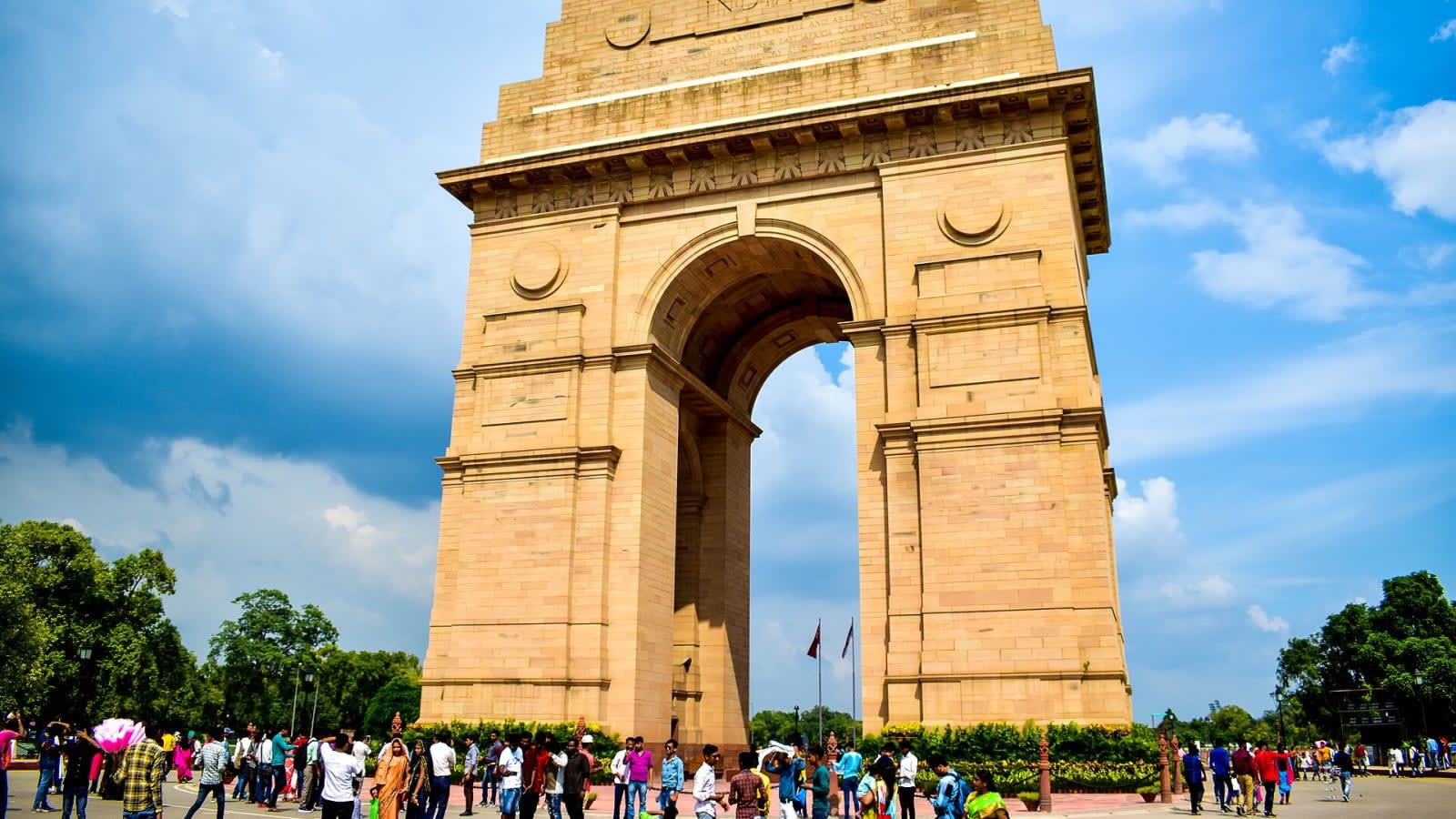
New Delhi is locking down its roads and its digital networks as thousands of security forces move into place ahead of the BRICS Summit.
Around 15,000 Delhi Police personnel and 200 companies of paramilitary forces are deploying across the capital for the summit, which begins on Friday, September 12. Ahead of the arrivals of world leaders including Chinese President Xi Jinping and Russian President Vladimir Putin, police are tightening controls on everything from physical traffic to public social media posts.
Gridlock on the roads
Commuters face major disruptions starting Thursday evening and continuing through the weekend. The Delhi Traffic Police announced that strict road regulations will take effect from 2 pm to 8:30 pm on Friday, September 11, across more than 35 key roads.
Sardar Patel Marg, Mathura Road, Janpath, and Ashoka Road are among the primary routes facing restrictions. The police have set up 22 diversion points to manage the flow. While buses and taxis will face real-time diversions, officials are advising anyone heading to the airport or railway stations to travel via the Delhi Metro, which will remain fully operational. To accommodate the travel surge, the Metro will start services early at 6 am on Sunday.
All schools and Delhi government offices will remain closed on Friday, September 11, to reduce pressure on the roads. Because the summit coincides with the weekend, private and public banks will also be closed on September 12 and 13.
Scanning the digital trail
The security operation extends deep into the digital space. The Delhi Police's specialised units, including the Intelligence Fusion and Strategic Operations (IFSO) division, are scanning public posts, comments, and hashtags on X, Instagram, and Facebook.
Sanjay Bhatia, the Additional Commissioner of Police for IFSO, said the monitoring is designed to catch early signs of protests, communal tension, or coordinated misinformation. Specialised software is flagging specific keywords to build digital profiles of accounts that repeatedly spread threatening or disruptive content.
An official who spoke on the condition of anonymity said this digital focus intensified after a student protest by the Cockroach Janta Party at Jantar Mantar in July. This time, police are also trying to run their own counter-messaging, working with technology platforms to make sure official advisories and verified facts appear first in search results.
Cyber security orders for officials
The threat of cyber interference has prompted Delhi Police to issue strict cybersecurity guidelines to all government departments and contractual staff.
The directives, signed by Sanjay Bhatia, order officials to change system passwords at least once every 45 days and enable multi-factor authentication. Government data and files must not be uploaded to external commercial cloud services like Google Drive or Dropbox.
Under the new rules, computer systems in government offices must automatically log out after 20 minutes of inactivity, and user accounts will be locked for half an hour after three unsuccessful login attempts. Officials have also been told to avoid using free VPNs, third-party video conferencing tools, or external mobile scanning applications for official documents.
Key numbers
- 15,000
- 200
- More than 35