Delhi protests: India rejects UN rights office remarks after mass detentions
The government says public order restrictions are lawful after police held thousands marching against the Chief Election Commissioner.
India has rejected remarks by the United Nations human rights office expressing concern over mass detentions during demonstrations in New Delhi, calling the criticism “misplaced” and an unwarranted intrusion into domestic matters.
The diplomatic pushback followed an extensive security operation on 10 October, when Delhi Police moved to halt a planned protest march to Jantar Mantar. Organisers from the Cockroach Janta Party (CJP) and allied opposition groups had called the demonstration to demand the resignation of Chief Election Commissioner Gyanesh Kumar, alleging irregularities in the Special Intensive Revision of electoral rolls.
Responding via a statement on X, the Permanent Mission of India to the UN in Geneva said the right to peaceful assembly is guaranteed by the Indian Constitution, subject to reasonable restrictions in the interest of public order. The mission argued that authorities act in accordance with the law and that the country's independent judiciary remains open to anyone seeking redress. It also urged the Office of the United Nations High Commissioner for Human Rights (OHCHR) to show comparable concern for large protests in other countries, citing its mandate of impartiality.
What happened during the Delhi protests
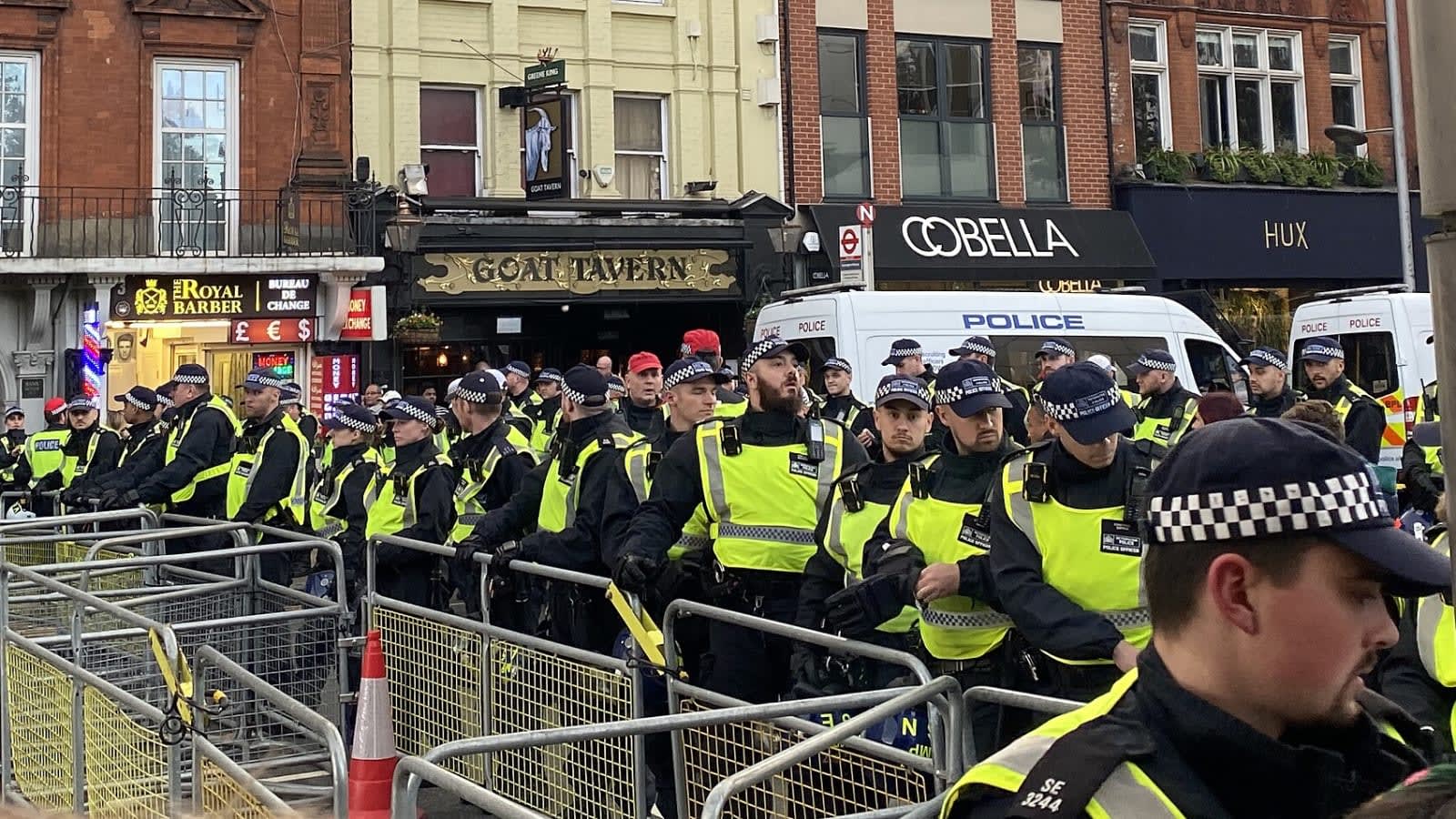
Delhi Police refused permission for the Jantar Mantar rally, citing traffic disruption, safety risks and short notice. Authorities mobilised roughly 35,000 police and paramilitary personnel across the capital, setting up barricades, suspending select metro operations and curbing mobile internet in central districts.
By the end of the day, police had detained more than 7,000 people across the capital. Those picked up included former Delhi chief minister Arvind Kejriwal, former West Bengal chief minister Mamata Banerjee, political commentator Dhruv Rathee, lawyer Prashant Bhushan and activist Yogendra Yadav, alongside hundreds of students and lawyers.
While most detainees were later released, key CJP figures—including Abhijeet Dipke, Saurav Das and Ashutosh Ranka, who were taken into custody off a flight from Mumbai—remained held. Scattered clashes broke out in central areas such as Connaught Place and Jhandewalan, where police said two officers were injured by stone-throwing.
Courts step in over curbs and detentions
The scale of the restrictions quickly reached the courts. Following an urgent plea from the Supreme Court Bar Association regarding advocates rounded up outside the court complex, Chief Justice of India Surya Kant intervened, communicating to authorities that lawyers detained while demonstrating peacefully should be freed.
Legal petitions were also filed in the Supreme Court and Delhi High Court challenging the administrative decisions to cut public transport links and shut down local mobile internet. The Supreme Court observed that authorities must balance the right to protest against the disruption of essential public services.
Political battle over the election commission
The confrontation has set off sharp political fighting. Opposition leaders described the sweep as an assault on democracy, with Congress MP Shashi Tharoor calling the curbs an "undeclared Emer-GenZ" and Rahul Gandhi accusing the government of attempting to muzzle democratic dissent.
The ruling Bharatiya Janata Party defended the police intervention and backed the revision of electoral rolls. BJP president Nitin Nabin accused demonstrators of attempting to generate unrest, while party spokespersons framed the police action as upholding order over mob rule. Meanwhile, a group of 124 retired civil servants published an open letter defending the Election Commission and its voter roll revision.
Despite the detentions, the CJP said it would not drop its demands and called for another march to Jantar Mantar.
Key numbers
| What | Figure | Source |
|---|---|---|
| People detained across Delhi | More than 7,000 | Delhi Police |
| Security deployment | Around 35,000 personnel | Authorities |
| Police personnel reported injured | 2 | Police officials |
Questions readers are asking
Why were people protesting in Delhi?
The protests were called by the Cockroach Janta Party and opposition groups demanding the resignation of Chief Election Commissioner Gyanesh Kumar over alleged irregularities in the Special Intensive Revision of voter rolls.
What did the UN human rights office say?
The UN rights office expressed concern over the mass detentions and the scale of the police clampdown during the protests in New Delhi.
How did India respond to the UN?
India's diplomatic mission in Geneva called the UN's concerns misplaced and an unwarranted interference in internal affairs, maintaining that restrictions were lawful and applied to maintain public order.
In this story
| Name | Role in the story |
|---|---|
| Gyanesh Kumar | Chief Election Commissioner whose resignation was sought by protesters |
| New Delhi | The site of the demonstrations, detentions and security clampdown |
| Cockroach Janta Party | Political group that organised the demonstration at Jantar Mantar |
| Permanent Mission of India to the UN | Issued the official response rejecting the UN rights office remarks |
| Office of the United Nations High Commissioner for Human Rights | Criticised mass detentions during the protests in New Delhi |